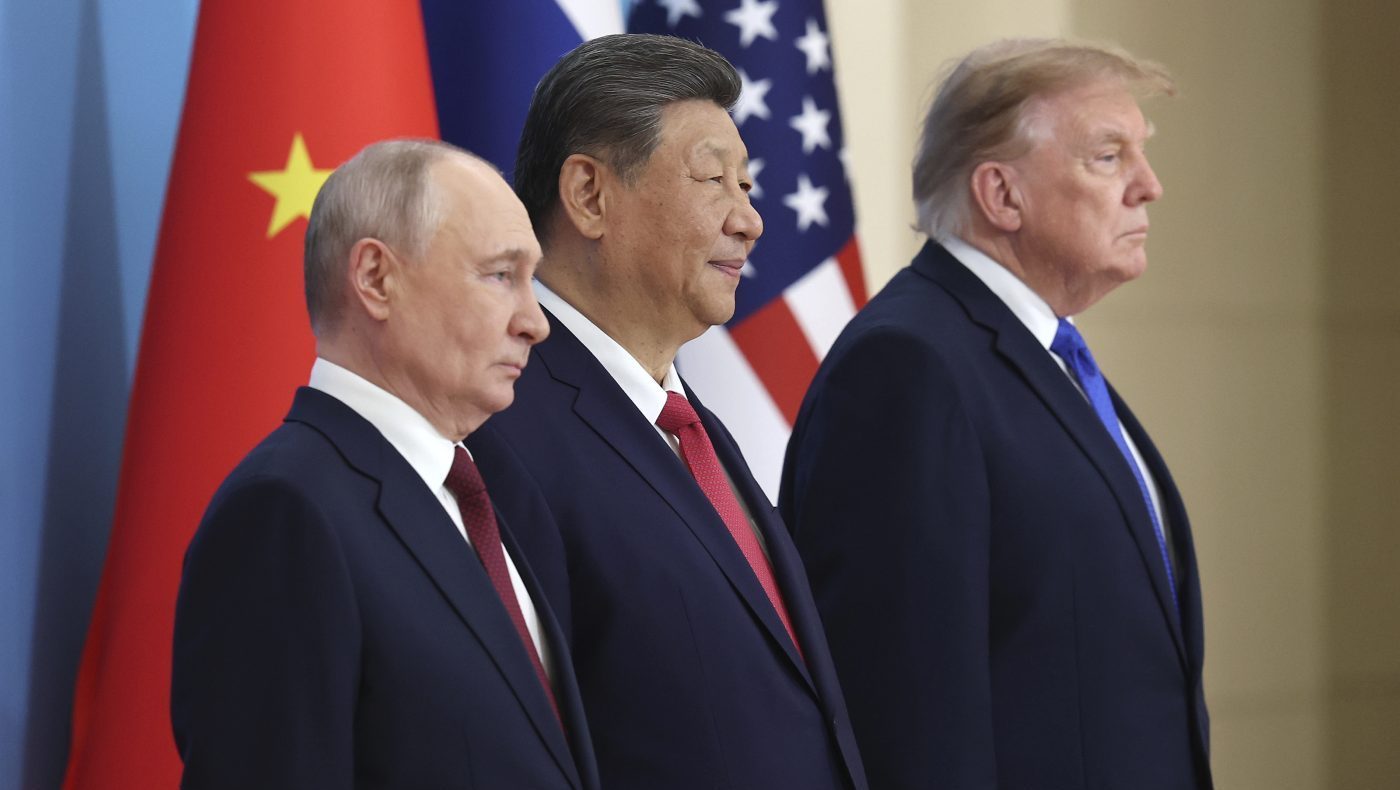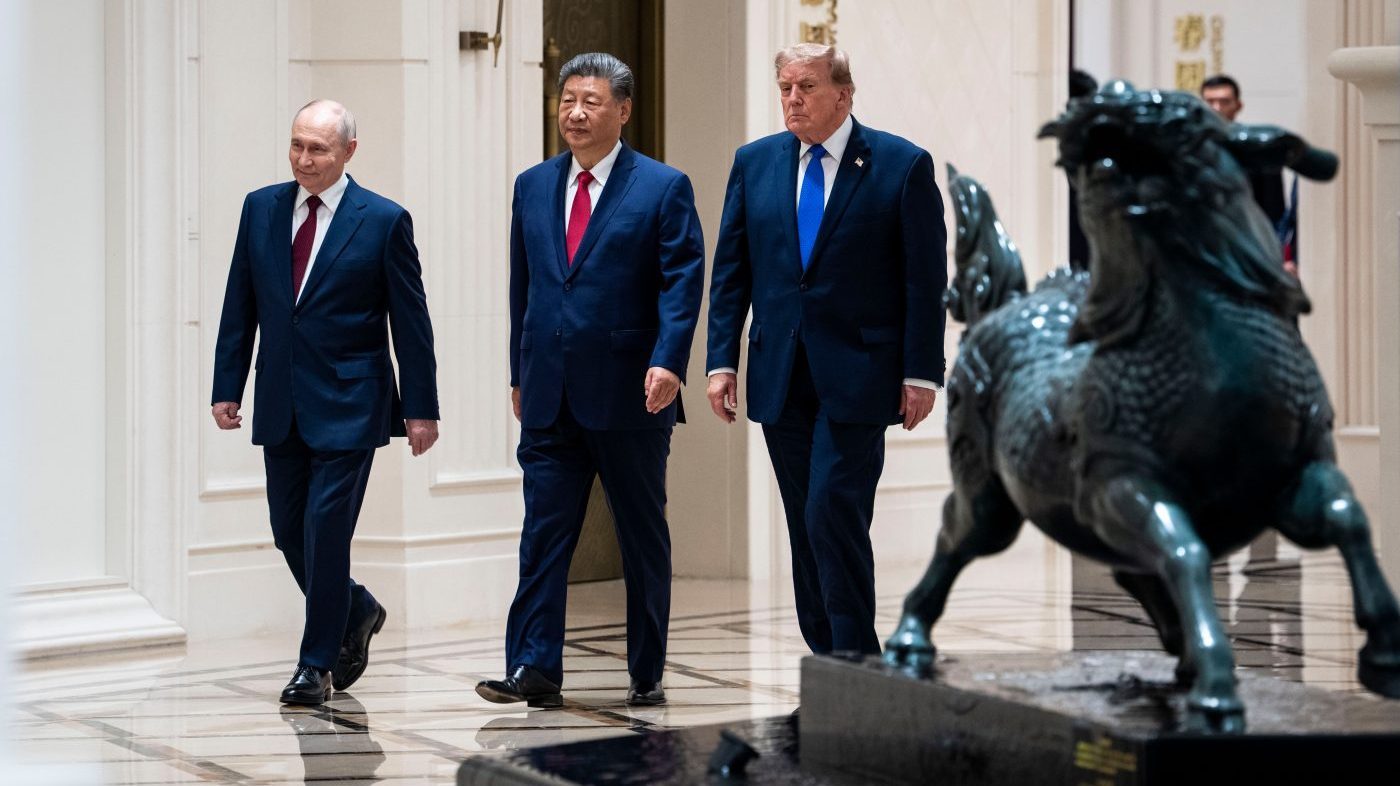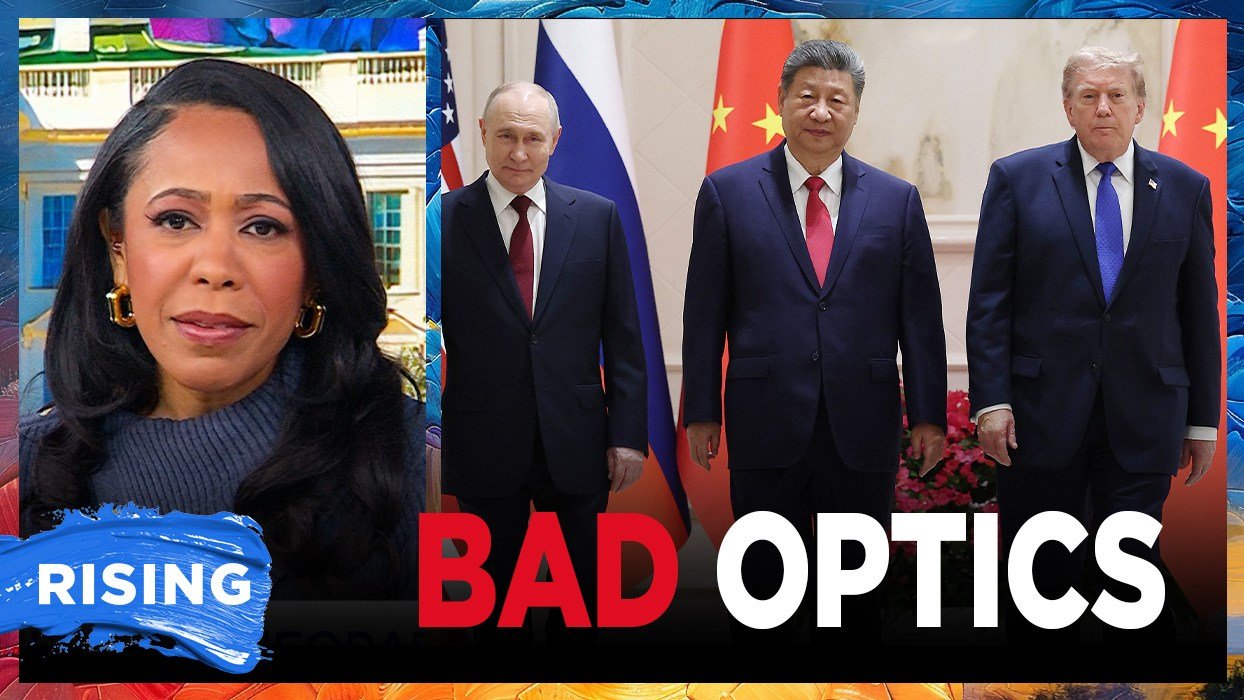
The images emerging from Shenzhen this week are as telling as the official statements, and they are prompting uncomfortable questions about Washington's standing in global diplomacy. President Trump arrived in the Chinese tech hub to an unusually personal welcome: Chinese President Xi Jinping greeted him directly on the tarmac, a break from standard protocol, and greeted him with a warm embrace. Later, Trump posed for cameras shaking hands with Russian President Vladimir Putin, with Xi at his side.
The visuals were amplified by Russian state media, with RT distributing footage of the encounter. That choice drew sharp criticism from observers, including HuffPost White House correspondent S.V. Dáte, who wrote on X: “1) imagine being proud of this. 2) imagine believing that you should be proud of this. 3) using the Russian propaganda channel is the perfect touch.”
This meeting marks the first formal trilateral gathering of the leaders of the United States, China, and Russia, but the dynamics are far from balanced. Xi and Putin have met more than 40 times since 2013 and have repeatedly touted a “partnership without limits.” While not formal allies, and despite their own competing interests, they share a common goal of challenging American influence and reshaping the international order. Trump's framing of the summit as a chance to bring powerful leaders together may obscure the reality that Xi and Putin already coordinate closely.
The absence of a clear U.S. strategy is a concern. Without a defined agenda, the summit risks becoming a stage for Xi and Putin to showcase their alignment and influence, while leaving key stakeholders—most notably Ukraine—out of the loop. Ukrainian President Volodymyr Zelensky was not invited, even though his country's future could be a central topic. Putin has consistently signaled he will only discuss the war on terms favorable to Moscow, and Trump has expressed a desire to broker peace while criticizing Zelensky's resolve.
Domestically, the administration is not unified on China policy. Treasury Secretary Scott Bessent has publicly blamed Commerce Secretary Howard Lutnick for allowing advanced Nvidia AI chips to reach Chinese entities. Such internal discord undermines the credibility of U.S. negotiating positions. This is not the first time Trump has appeared more focused on pageantry than policy in dealings with Xi; during Xi's September visit to the White House, the conversation seemed to center on hospitality rather than substantive issues, such as China's potential support for Iran.
Diplomatic engagement with adversaries is a necessary part of international relations. Sitting across from Putin or Xi is not inherently problematic. However, the measure of such meetings should be what the United States actually achieves, not merely the photo opportunities. Historic does not automatically mean wise, and the optics of this summit should not distract from the strategic questions that remain unanswered.
For more on the broader implications, see the historic trilateral summit and Trump and Putin's 'friend' greeting. The administration's internal rifts over China are also part of the backdrop, as noted in Musk's recent distancing from MAGA.