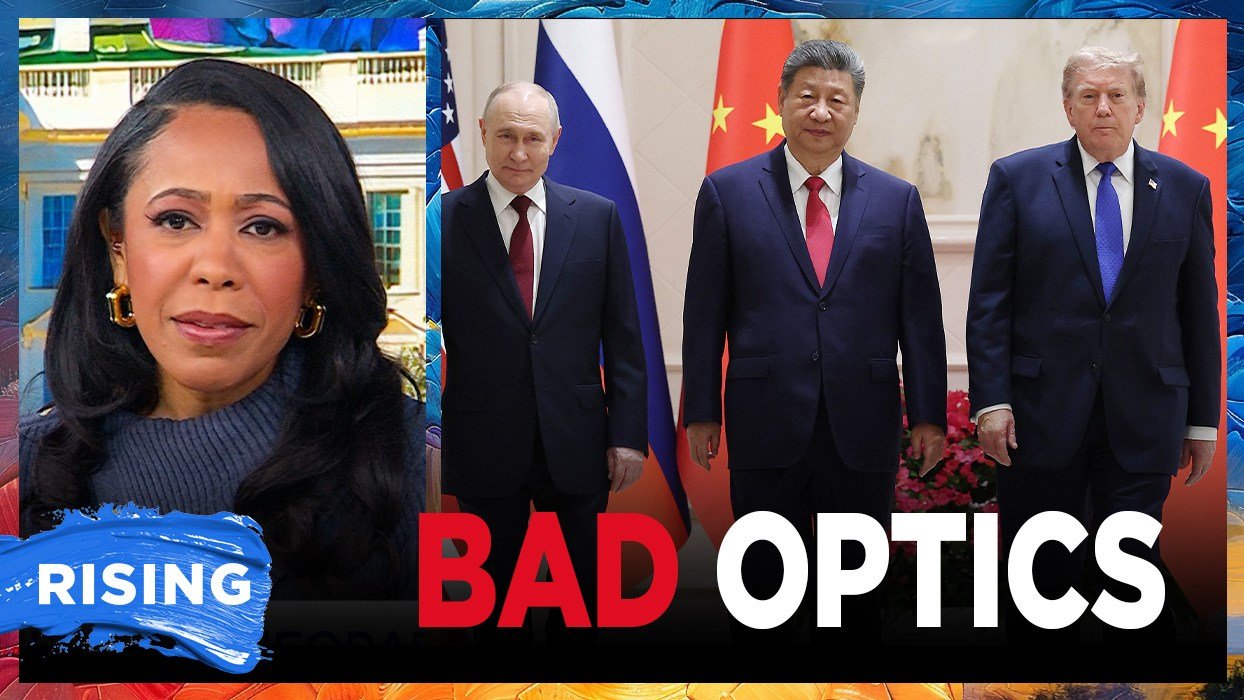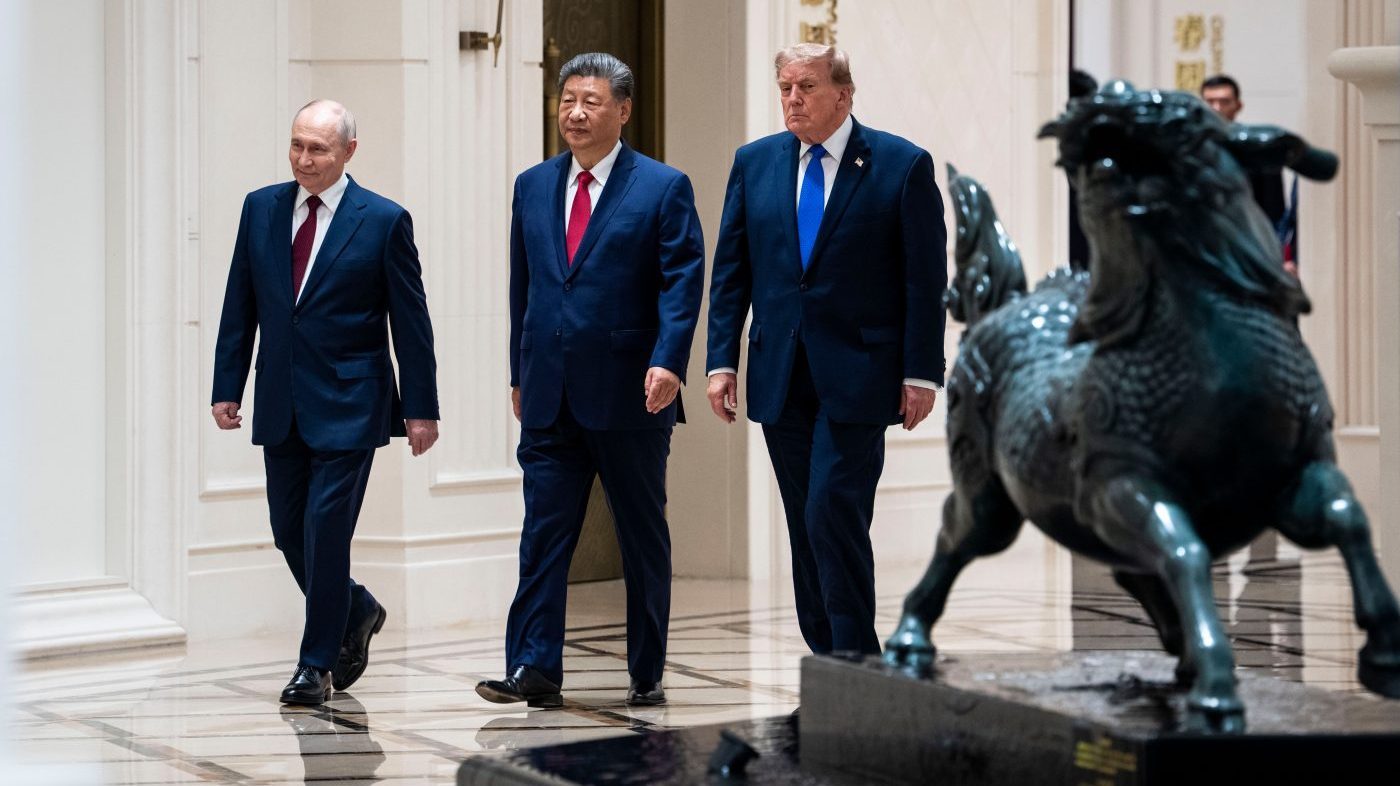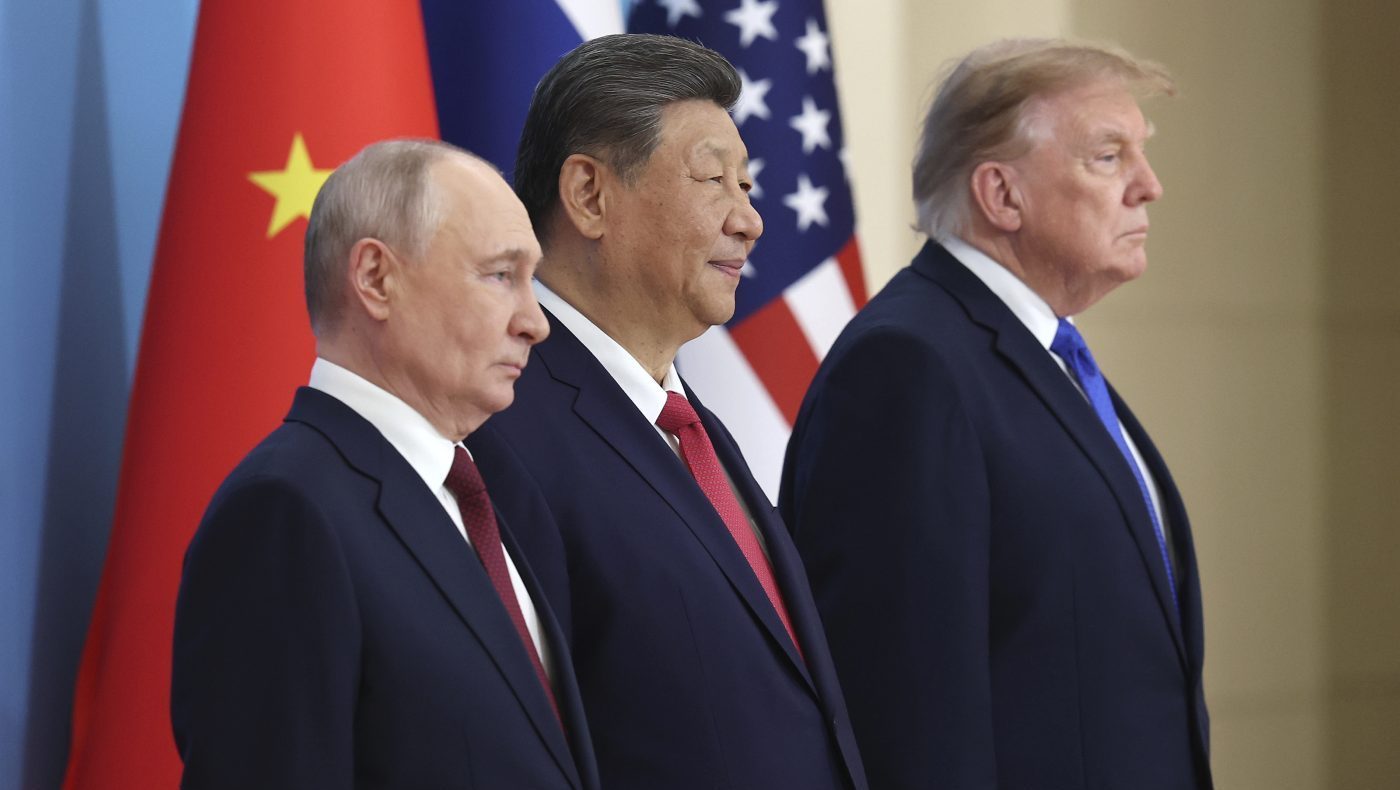
President Trump concluded a three-day swing through Asia on Thursday with a first-of-its-kind trilateral meeting in Shenzhen, China, bringing together Chinese President Xi Jinping and Russian President Vladimir Putin. The encounter capped a trip that also included trade pacts with the Philippines and Thailand on the sidelines of the ASEAN summit in Manila.
The Shenzhen gathering was the centerpiece of Trump's itinerary, featuring separate one-on-one sessions with each leader before the three sat down together. Democrats sharply criticized the president for appearing overly cozy with two of America's principal adversaries, but Trump defended the approach, arguing that traditional diplomacy has failed to deliver results.
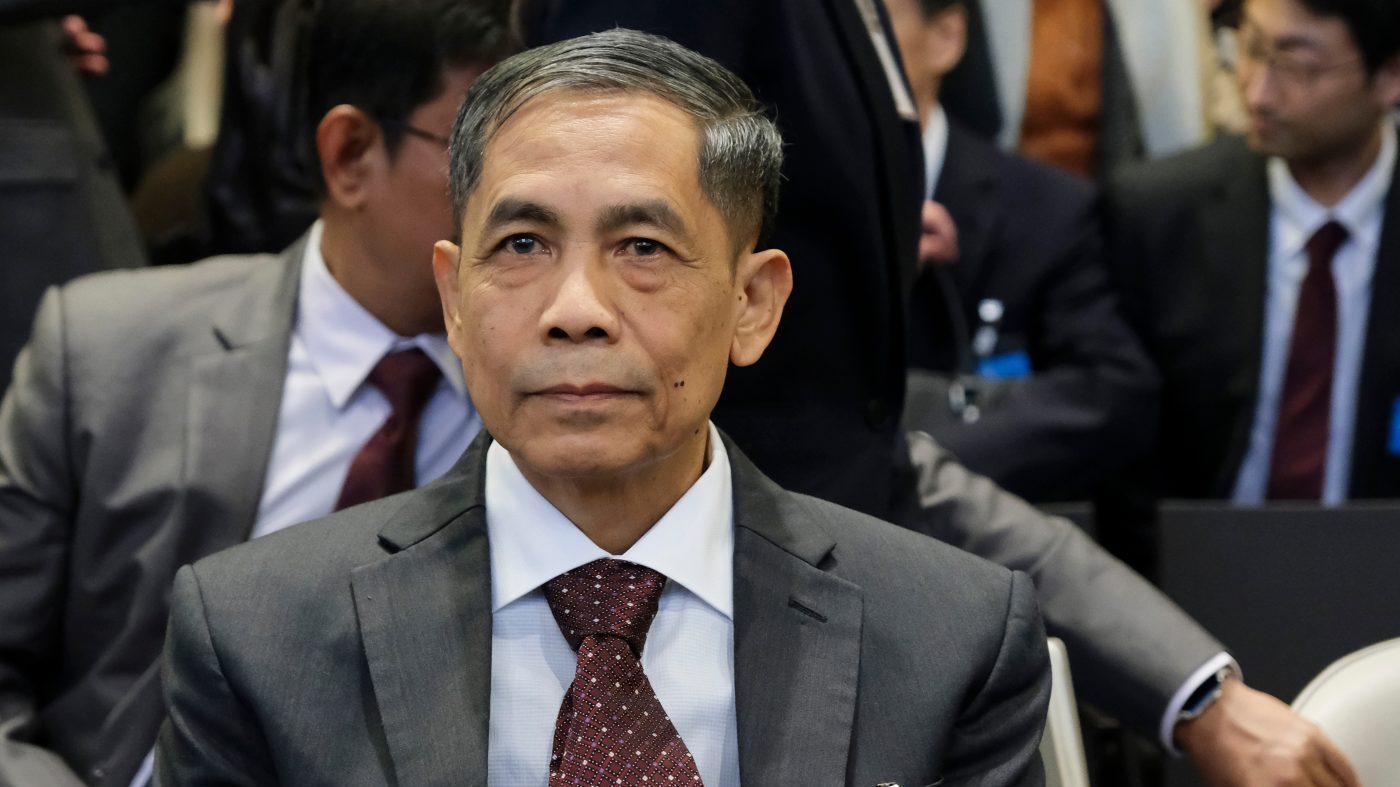
Nuclear Nonproliferation Dialogue Agreed
Following the summit, the three leaders issued a joint statement—billed as a “declaration toward peace”—in which they committed to an ongoing dialogue on nuclear nonproliferation. “The three heads of state reaffirmed that a nuclear war cannot be won and must never be fought,” the statement read, adding that the nations would engage in talks to reduce nuclear risks and stem the spread of atomic weapons.
The U.S., Russia, and China together possess the vast majority of the world's nuclear arsenals. Trump, seated across from Putin and Xi, acknowledged the difficulty of disarmament: “It's not an easy thing to do, give them up. But it's also vital that we cooperate to combat the threat of nuclear proliferation in other countries around the world. That's what we're doing in Iran.”
Officials had low expectations for substantive progress with China, which has historically resisted arms control constraints. A senior U.S. official had told reporters before the meeting that it was merely “an entry point.” The Pentagon estimates China could field more than 1,000 operational warheads by 2030, despite its membership in the Non-Proliferation Treaty.
Joint Attack on the International Criminal Court
The three countries used the declaration to lambast the International Criminal Court, warning that the tribunal and similar bodies must not “abuse” their jurisdiction. The statement emphasized “the principle of state consent and respect for immunities of State officials” as paramount.
The ICC issued an arrest warrant for Putin in 2023 over alleged war crimes tied to the deportation of Ukrainian children. The Trump administration has been a vocal opponent of the court, particularly over its actions against Israeli leaders. Secretary of State Marco Rubio has vowed to dismantle the institution “brick by brick.” Notably, Russia voted for the Rome Statute in 1998, while the U.S. and China voted against it.
Trump's Warmth Toward Putin Draws Scrutiny
The war in Ukraine was a topic of discussion, with Trump saying he and Putin had “a long discussion” about it. “I think that [Putin], and I hope the other side, would like to see an end to that war,” Trump said, referring to Ukraine as “the other side.”
Trump greeted Putin as “my friend” as they met, a display of camaraderie that drew immediate criticism from opponents. The joint declaration made no mention of the conflict, which is now in its fifth year. Ukrainian President Volodymyr Zelensky said earlier that Xi and Trump could pressure Putin into ending the war by threatening sanctions and cutting trade ties.
Trade Deals with Manila and Bangkok
Before the Shenzhen summit, Trump announced separate trade agreements with the Philippines and Thailand during the ASEAN meetings. He called the Philippine deal “landmark” and “fair for both countries,” praising it during a state lunch with President Ferdinand Marcos Jr. The Thailand agreement, unveiled Tuesday, includes a commitment by Bangkok to eliminate tariffs on U.S. exports and reduce non-tariff barriers.
The trip's broader implications—particularly the optics of a U.S. president embracing authoritarian leaders—are likely to reverberate in Washington. For more on the tensions surrounding the summit, see our report on the seizure of press phones and the exclusion of a Bloomberg reporter. The full text of the four-point pact is available here.