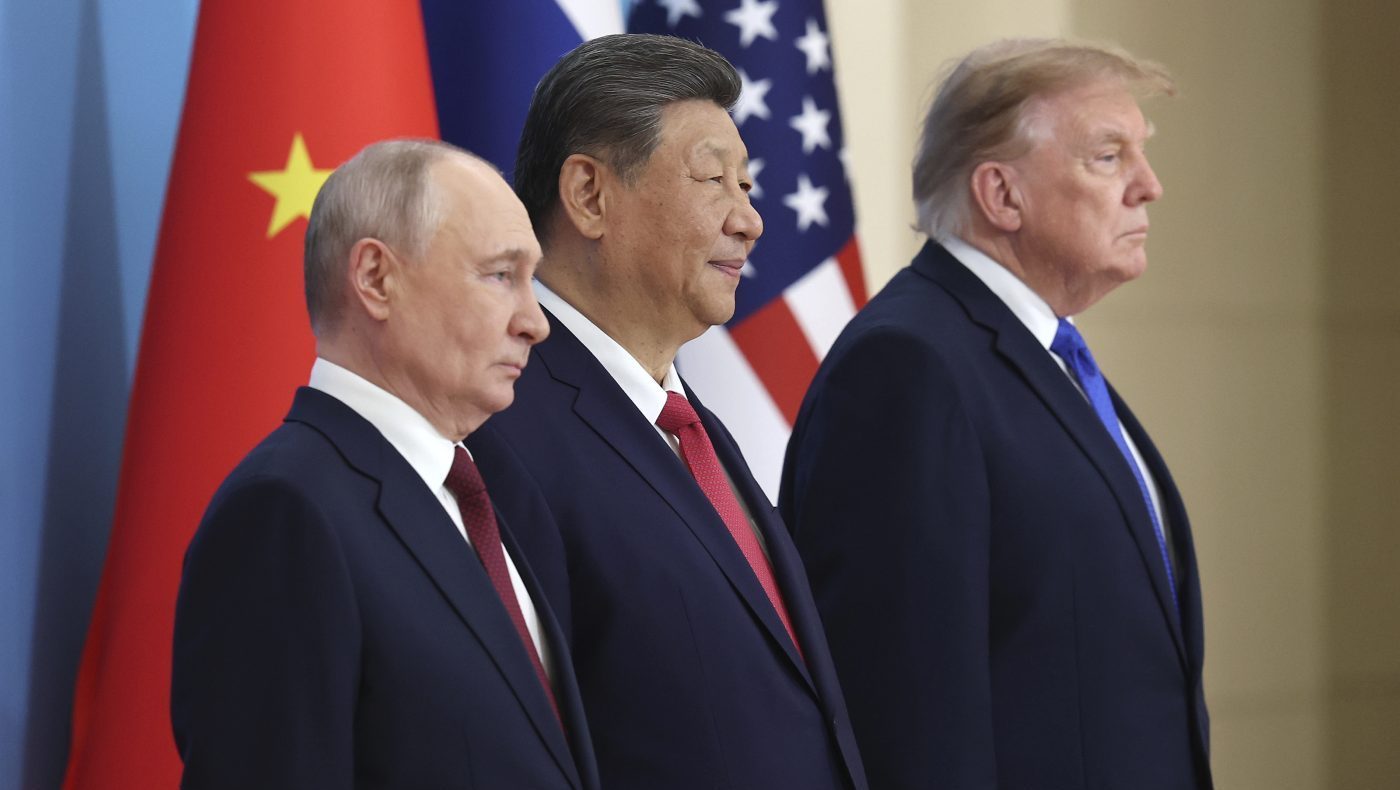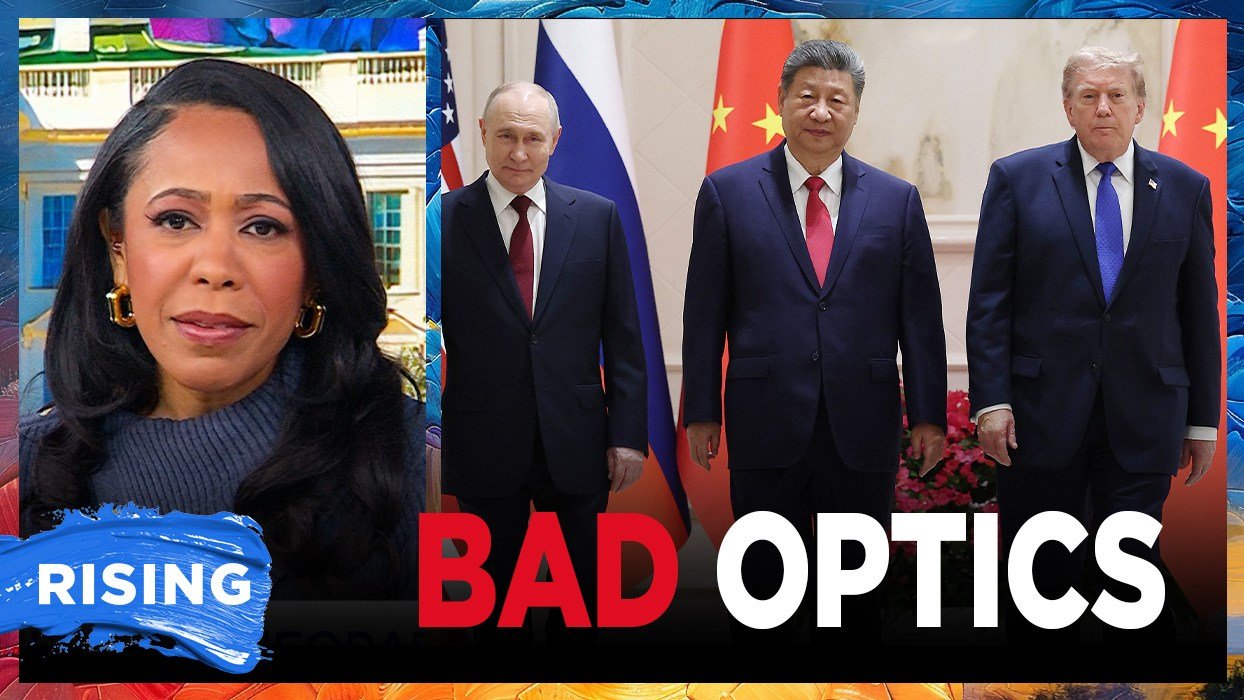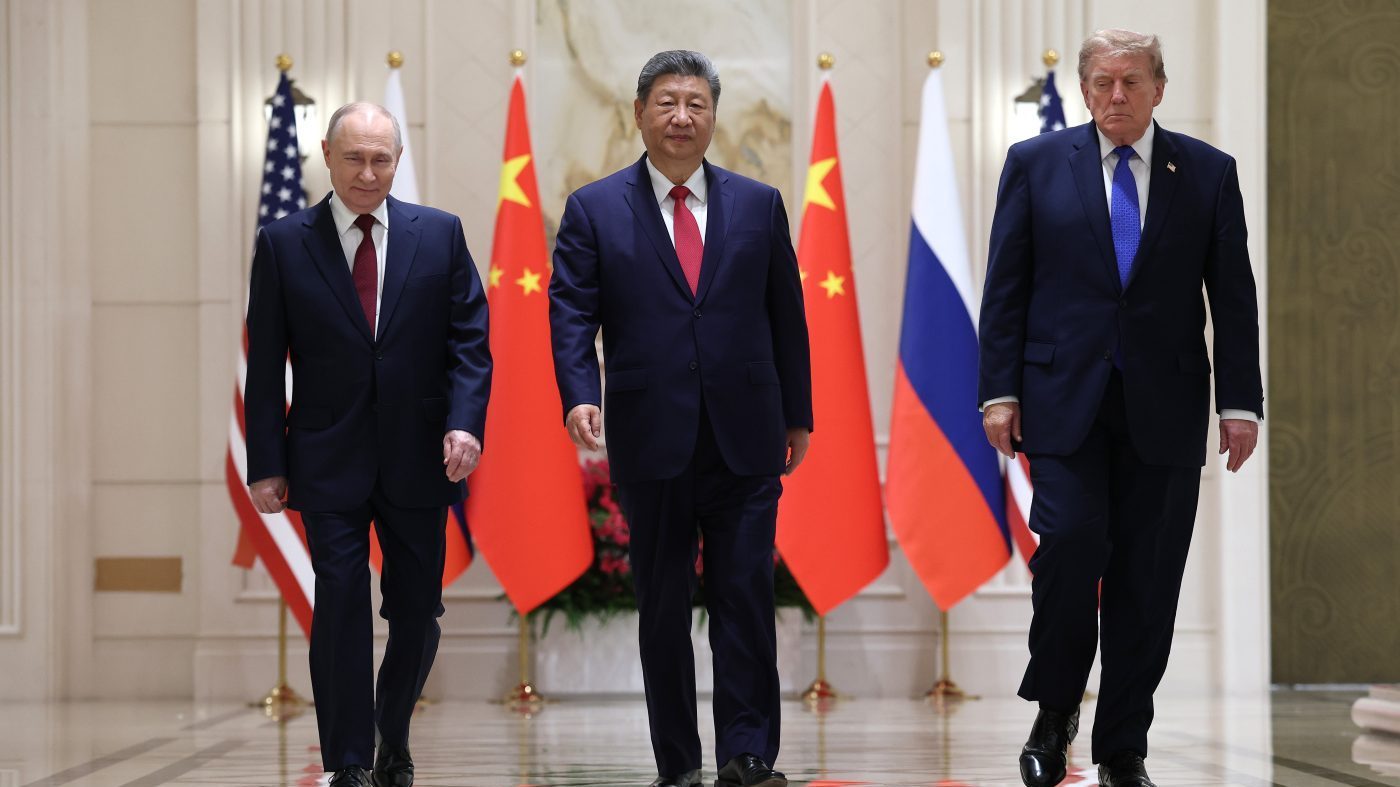
President Trump, Chinese President Xi Jinping, and Russian President Vladimir Putin concluded an unprecedented trilateral summit in Shenzhen, China, on Thursday by issuing a joint four-point declaration they framed as a step toward global peace. The document, released by Moscow and Beijing, covers reforms to the United Nations, coordination on oil production, limits on international judicial bodies, and measures to reduce nuclear risks.
As permanent members of the UN Security Council, the three leaders pledged to work together to "promote UN reform so that it may respond more effectively to global challenges." The declaration also commits the three nations to "increase the production and supply of refined petroleum products for the benefit of all nations," a move that could have significant implications for global energy markets.
On the International Criminal Court, the leaders agreed that "the ICC and other similar bodies must not abuse their jurisdiction," echoing long-standing criticisms from Washington and Moscow. The declaration further reaffirms that "a nuclear war must never be fought" and calls for a new dialogue "on reducing nuclear risks and preventing the proliferation of nuclear weapons."
The 90-minute closed-door meeting marked the first time the three leaders had gathered for a trilateral summit. In his opening remarks, Trump stressed the importance of direct engagement, saying, "We have a special responsibility to maintain open, respectful, and productive dialogue on issues impacting not just our people but the entire planet." He added, "Too often, past leaders avoided talking to nations with whom they had disagreements, and we feel the opposite. No problems were ever solved under the old school, refusing to talk about it. No peace was ever forged by declining opportunities for engagement and speech."
The summit came amid ongoing tensions over several flashpoints, including the Iran conflict, the Russia-Ukraine War, and nuclear proliferation. Washington has backed Ukraine in its defense against Russian aggression, while Beijing has provided support to Moscow. Iran has also received assistance from both Russia and China in its confrontation with the United States.
On nuclear issues, China has historically resisted restrictions on its own arsenal, but during a bilateral meeting with Trump, Xi stated that "nuclear weapons should be comprehensively banned and thoroughly destroyed, building a nuclear-free world," according to China's Xinhua news agency. That statement, while aspirational, marks a notable shift in tone from Beijing.
The declaration's four points are broad, but analysts note that the mere fact of the summit—and the joint statement—signals a potential realignment in global diplomacy. The leaders did not announce any specific follow-up meetings or implementation timelines, leaving many questions about how the pledges will be operationalized.
Trump had indicated before the summit that he wished to discuss the Iran conflict, the war in Ukraine, and denuclearization. While the declaration does not mention Iran or Ukraine directly, the inclusion of nuclear risk and oil supply issues may be seen as indirect references to those crises.
The summit also drew attention to press access, with Chinese authorities barring some reporters from the event, a move that drew criticism from press freedom advocates.
As the leaders left Shenzhen, the international community will be watching to see whether the four-point declaration translates into concrete action or remains a symbolic gesture. The next test may come at upcoming international forums, where the three powers will have opportunities to demonstrate their commitment to the principles they just endorsed.