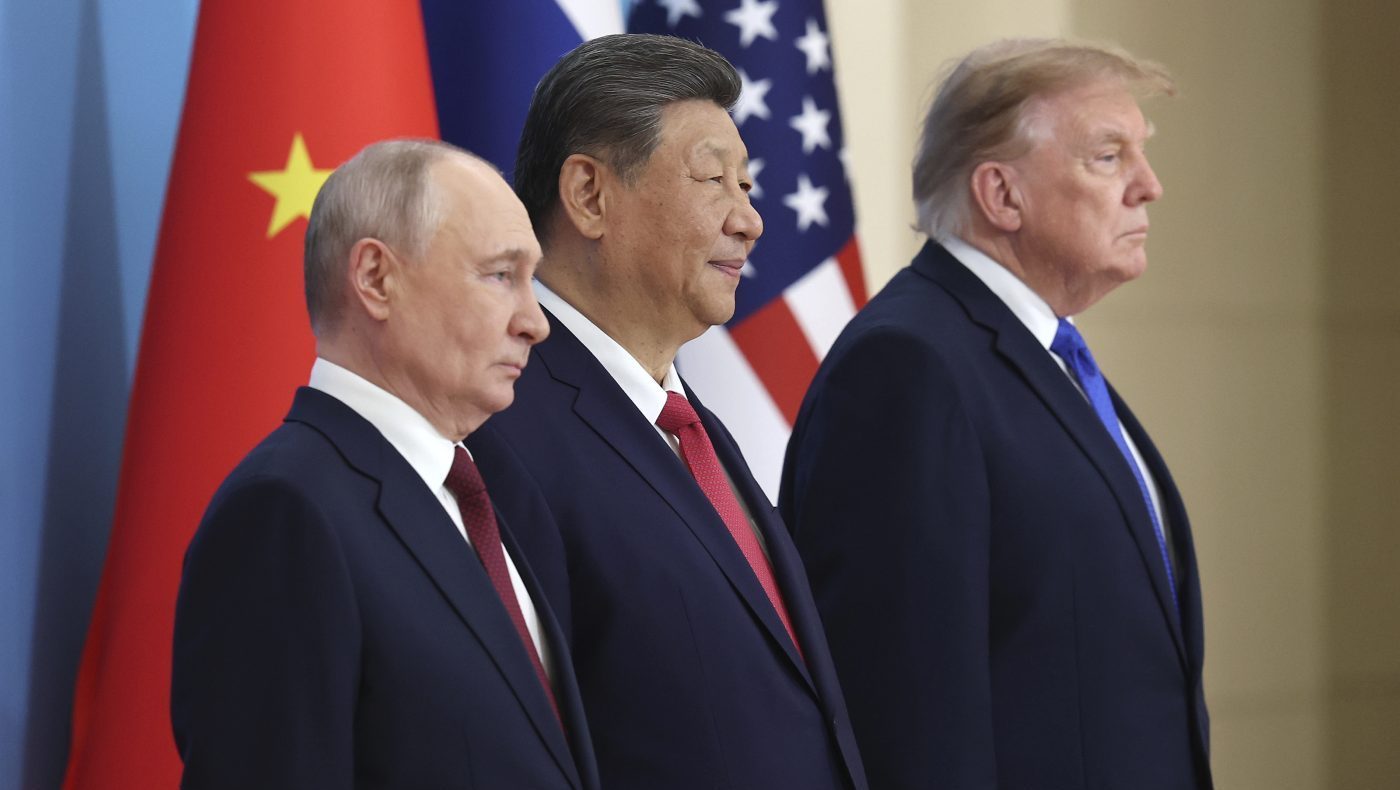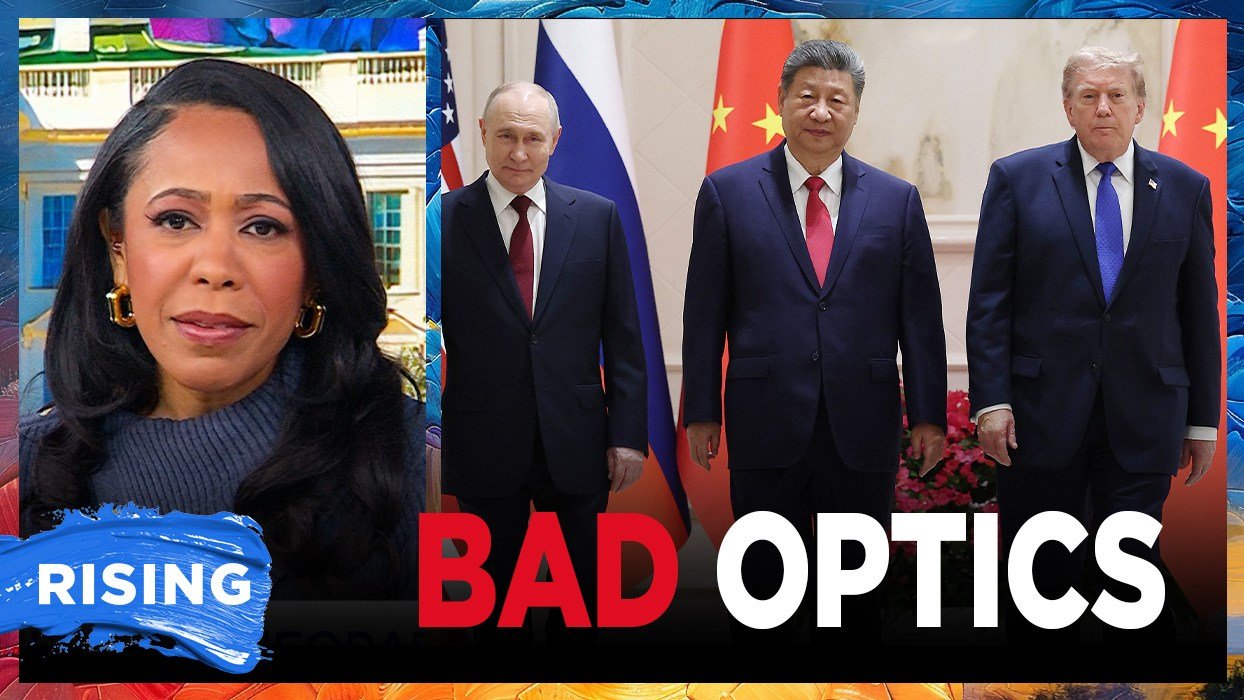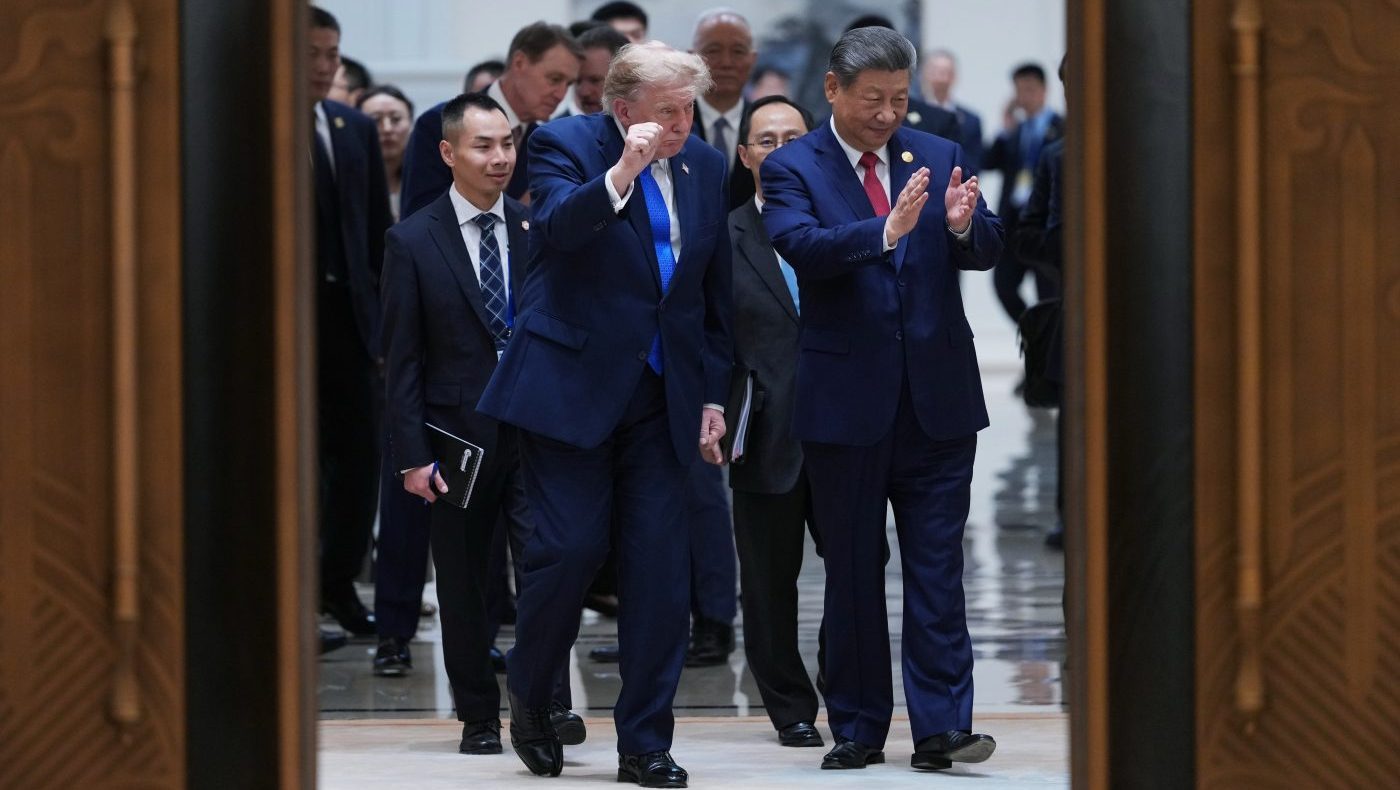
Beijing barred a Bloomberg News journalist from attending the opening remarks of President Trump's trilateral meeting with Chinese President Xi Jinping and Russian President Vladimir Putin, according to the White House press pool report. The reporter, Annmarie Hordern, was excluded after she shouted a question at Trump during his bilateral meeting with Xi earlier in the day.
The pool report noted that a White House official said they attempted to have Hordern reinstated, but Chinese authorities insisted she be left out. The incident underscores the tight controls Beijing exercises over media access during high-level diplomatic events.
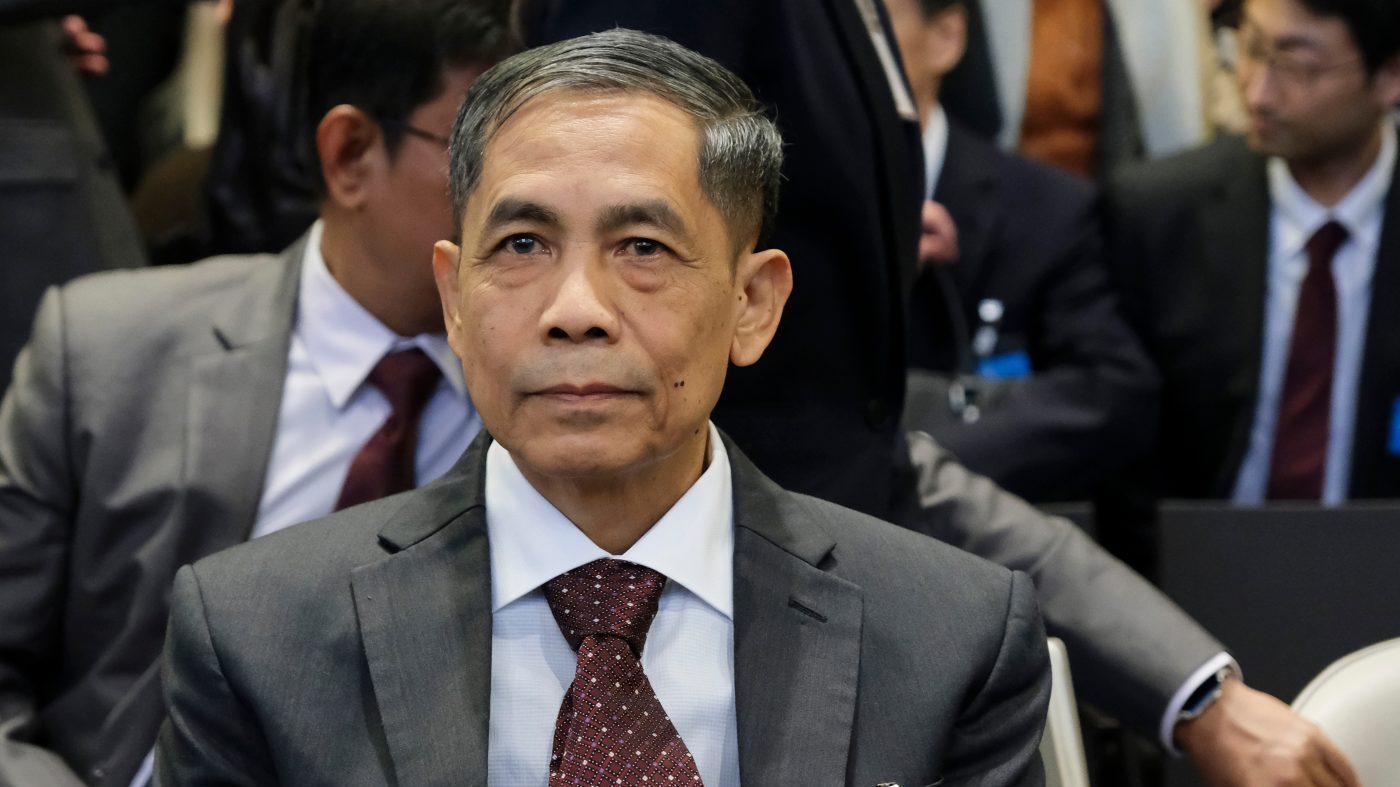
Hordern's question to Trump was about whether former Nvidia CEO Jensen Huang had been disloyal to the United States. Trump did not respond at the time. The query came amid ongoing scrutiny of Huang's ties to China and his company's dealings in the region.
The exclusion of a journalist from a spray—the brief on-camera session before a meeting—is a stark example of China's restrictive press practices. In the U.S., reporters routinely shout questions at the president and visiting leaders during such events, a tradition that is not replicated in China.
Trump himself appeared to acknowledge the limited media access during his trip. Earlier Thursday, he lamented that the press couldn't witness the summit's proceedings, saying, "It's too bad the media couldn't see some of it, because every move was perfectly executed." His remarks came as he praised the outcome of the discussions.
The trilateral meeting covered a range of contentious topics, including United Nations reform, oil production and supply, the International Criminal Court, and nuclear conflict, according to a joint text released by Russia and China. The leaders' positions on these issues were not immediately detailed, but the inclusion of such sensitive subjects indicates the breadth of the dialogue.
This is not the first time Chinese authorities have restricted foreign press coverage. Journalists from various outlets have faced visa denials, credentialing issues, and limited access to official events, drawing criticism from press freedom advocates. The move against Bloomberg adds to a pattern of tension between Beijing and international media.
The incident also comes as Trump's interactions with Xi and Putin have drawn intense global attention, with analysts watching for signals on trade, security, and geopolitical alignments. The warm greetings exchanged between Trump and Putin earlier in the trip set a tone of cordiality, but the press access issue highlights underlying frictions.
Bloomberg has not yet issued a public statement regarding the exclusion. The White House press pool report did not indicate whether Hordern was eventually allowed into any subsequent sessions. The episode is likely to fuel further debate over China's media policies, especially as the U.S. and its allies push for greater press freedom internationally.