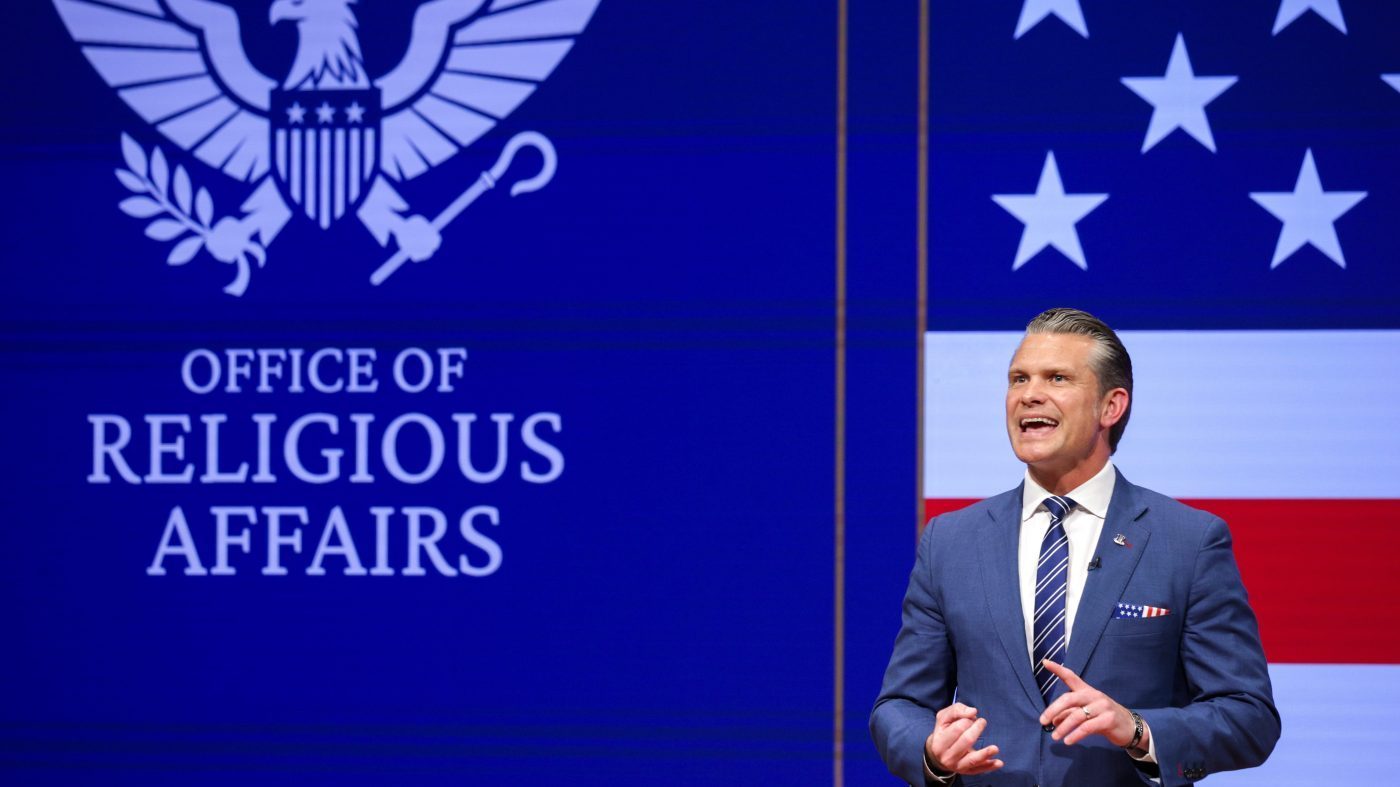
Defense Secretary Pete Hegseth on Saturday signaled that the U.S. military may shift some troops from Europe to the Western Hemisphere, as the Trump administration intensifies its campaign against drug cartels in South America.
Speaking to reporters in Colorado Springs, Hegseth said the U.S. is "definitely expanding our presence and our footprint in Central and South America with partners," citing the recent capture of former Venezuelan leader Nicolás Maduro as a catalyst. He noted that the administration now has "a whole new suite of options economically and militarily with partnerships."
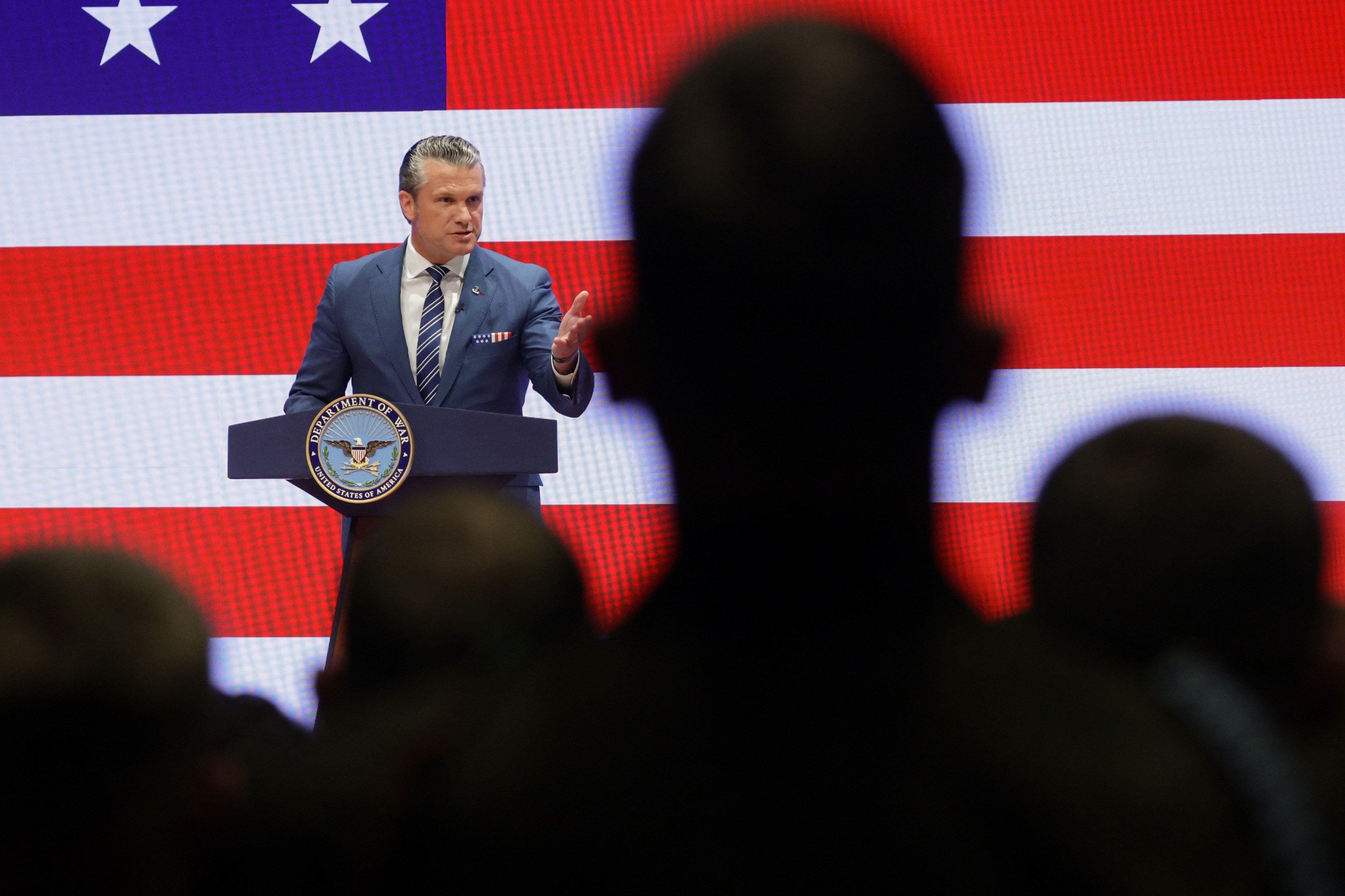
The defense secretary highlighted ongoing cooperation with Ecuador, Honduras, Guatemala, and Panama, and framed the potential redeployment as part of a broader push for "burden sharing" among NATO allies. "As we do that," he explained, "some of those capabilities are going to move elsewhere, either back home to the big, beautiful base that we're going to build ... or to a different posture in the Western Hemisphere as we get after these designated terrorist organizations."
Hegseth's remarks come amid a six-month Pentagon review of U.S. military posture in Europe, expected to conclude in December, which aims to shift more conventional defense responsibilities to European allies. The U.S. currently has no large military base in South America, but the Pentagon has been escalating operations against drug cartels since last fall.
Since September 2, the U.S. military has conducted at least 70 strikes against alleged drug boats in the Caribbean and Eastern Pacific, killing 234 individuals labeled as "narco-terrorists." More recently, the military has targeted "floating refueling stations," intercepting large fishing vessels off Ecuador's coast, removing crews, and then destroying the ships—a tactic officials describe as more humane.
The administration frames these actions as necessary to curb illicit drug flows and neutralize cartels it deems threats to the homeland. Last week, about 50 U.S. service members and law enforcement personnel participated in raids on the ground in Ecuador, working alongside Ecuadorean police. These raids, which targeted alleged drug traffickers, signal deeper U.S. military involvement in the region.
A senior U.S. official told The Hill that U.S. special operations forces will help train partner forces for "command and control" but "are not on target until the target's clear." Once a target is secured, U.S. forces bring "sensitive site exploitation" capabilities to develop intelligence for follow-on operations.
Hegseth reiterated Saturday that the U.S. military is "at war" with drug cartels, which he called "the ISIS and Al Qaeda of our hemisphere." He emphasized that the Pentagon will "posture and base as necessary to ensure that we have our foot on the pedal."
The potential redeployment aligns with the Pentagon's broader strategic shift, as highlighted by Hegseth's recent call for governors to compete for a new military megabase. It also comes as the Pentagon fast-tracks anti-drone systems and faces scrutiny over proposed cuts to flag officer positions.