The cryptocurrency industry is bracing for a shift in Washington as Democrats, who have shown greater skepticism toward digital assets, prepare to assume control of Congress. The changing political landscape dominated discussions at Thursday's Capitol Crypto Forum, co-hosted by The Hill and The Block, where lawmakers and industry leaders assessed the likelihood of reviving stalled legislation.
Under the previous Republican-controlled Congress and with President Trump's backing, the crypto sector enjoyed a favorable regulatory environment. Trump-appointed regulators eased federal oversight, dropped investigations into digital asset firms, and Republicans passed the GENIUS Act, establishing the first regulatory framework for stablecoins. However, the more comprehensive Clarity Act—which would have set market structure rules—failed to pass the Senate in September, and insiders now doubt its prospects in the new Congress.
Cautious Optimism for Bipartisan Support
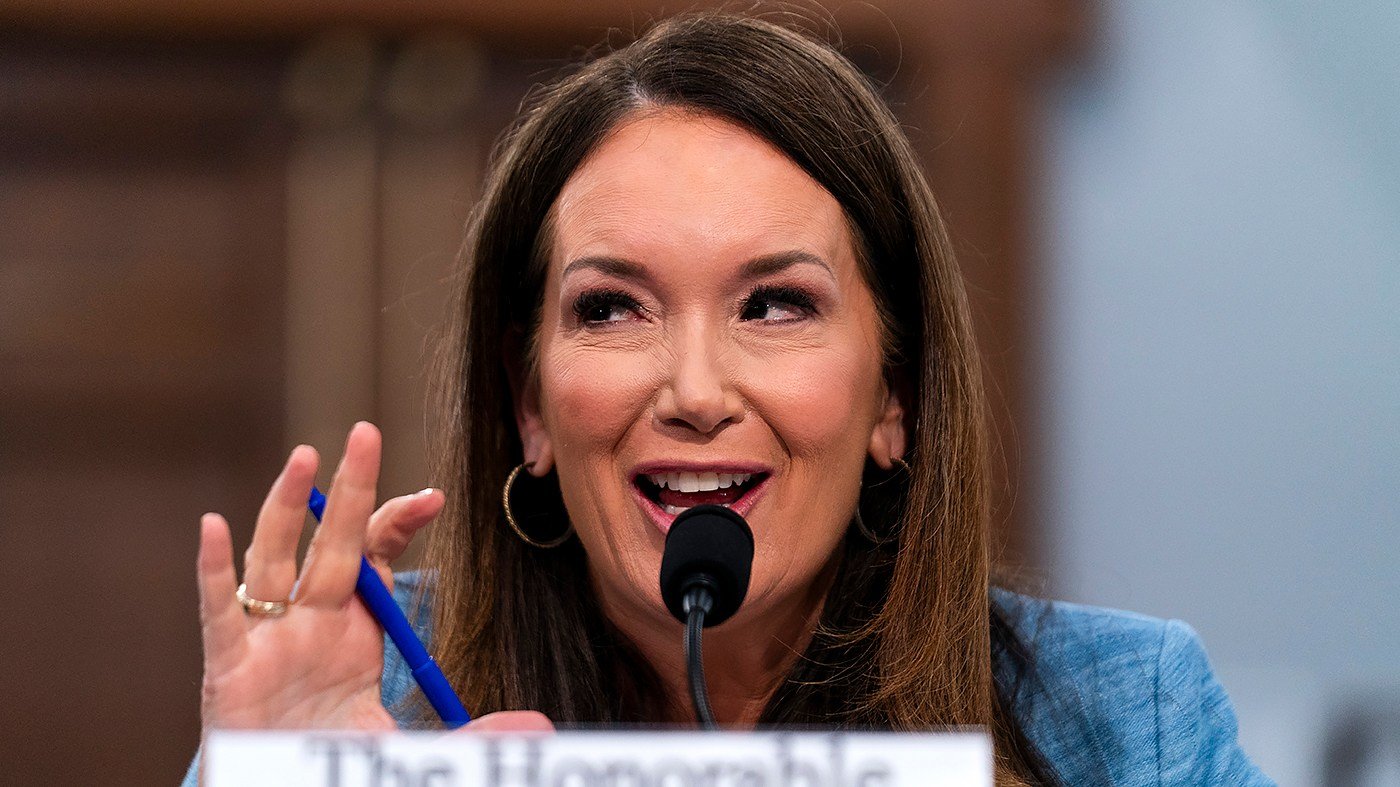
Despite the political headwinds, some lawmakers see room for bipartisan cooperation. Rep. French Hill (R-Ark.), outgoing chair of the House Financial Services Committee, pointed to the 78 Democrats who supported the Clarity Act in the House as evidence of cross-aisle appeal. "We had a lot of support from Democrats, both on the House and Agriculture Committee and the House Financial Services Committee, and I expect that'll continue in the new Congress," Hill said. He also noted a memorandum from Rep. Maxine Waters (D-Calif.), who is vying to succeed him as chair, listing digital asset market structure as a priority.
Sen. Bernie Moreno (R-Ohio), a co-sponsor of the Clarity Act, surprised attendees by revealing conversations with Sen. Elizabeth Warren (D-Mass.), a vocal crypto critic. "I'll blow all your minds. I've had conversations with Elizabeth Warren, where she says, 'I want the industry regulated. I just don't want the industry to write the regulations,'" Moreno said, praising her as "very, very smart" and "very thorough." Rep. Steve Horsford (D-Nev.), lead sponsor of the PARITY Act, echoed optimism but stressed the need to address ethics and transparency. "We do need to get the legislation right," he said. "I just hope that everyone stays at the table."
The Clarity Act's Uncertain Future
The failure of the Clarity Act has left many questioning whether Congress missed its best chance to pass comprehensive crypto legislation. Hill expressed regret over the decision to separate the Clarity Act from the GENIUS Act, arguing that the split prolonged negotiations and allowed new demands to pile up. "I had urged the Senate and the administration last summer to have Clarity [Act] and GENIUS [Act] passed together in the House, and I still stand by that. I think it would have been the right decision," he said.
Stu Alderoty, chief legal officer at Ripple, acknowledged that internal industry divisions complicated the legislative push, citing disputes over stablecoin rewards and the Trump family's involvement in crypto "overwhelming the conversation." He urged the industry to "speak with one voice." Most attendees agreed that with only weeks left in the 119th Congress, a revamped bill passing anytime soon is unlikely.
Political Crossfire and Democratic Divisions
The crypto industry's heavy spending in the midterms—including $55 million against Sen.-elect Sherrod Brown (D-Ohio), who defeated incumbent Jon Husted—did not yield the desired results. Moreno lamented that crypto regulation had become entangled in partisan politics. "The industry should have never gotten sucked into the political vortex," he said. "This isn't a Democrat or Republican issue in my mind."
Peter Van Valkenburgh, executive director of Coin Center, highlighted a deeper rift within the Democratic Party over technology policy. "There's a battle for the soul of the Democratic Party with respect to tech policy," he said, pointing to growing skepticism toward AI and other advanced technologies. He argued that tech-forward Democrats have struggled to counter the party's more critical voices. "There's a very strong anti-tech vision being articulated in parts of the Democratic Party, and the voices for a tech-forward Democratic Party, they haven't found their song yet," he added.
Regulators as a Fallback?
With legislation stalled, some wonder whether regulators might step in. The Securities and Exchange Commission (SEC) under the Trump administration took a lighter approach to crypto enforcement, but a Democratic-controlled Congress could push for stricter oversight. The forum's discussions suggested that while the industry may face a more challenging legislative environment, there remains a window for targeted bipartisan agreements, particularly on stablecoins and market structure—if lawmakers can bridge their differences.
As the new Congress convenes, the crypto industry's fate in Washington hinges on whether Democrats and Republicans can find common ground. The upcoming forum on stablecoin legislation will be a key test. Meanwhile, industry advocates are watching closely, aware that the political winds have shifted.