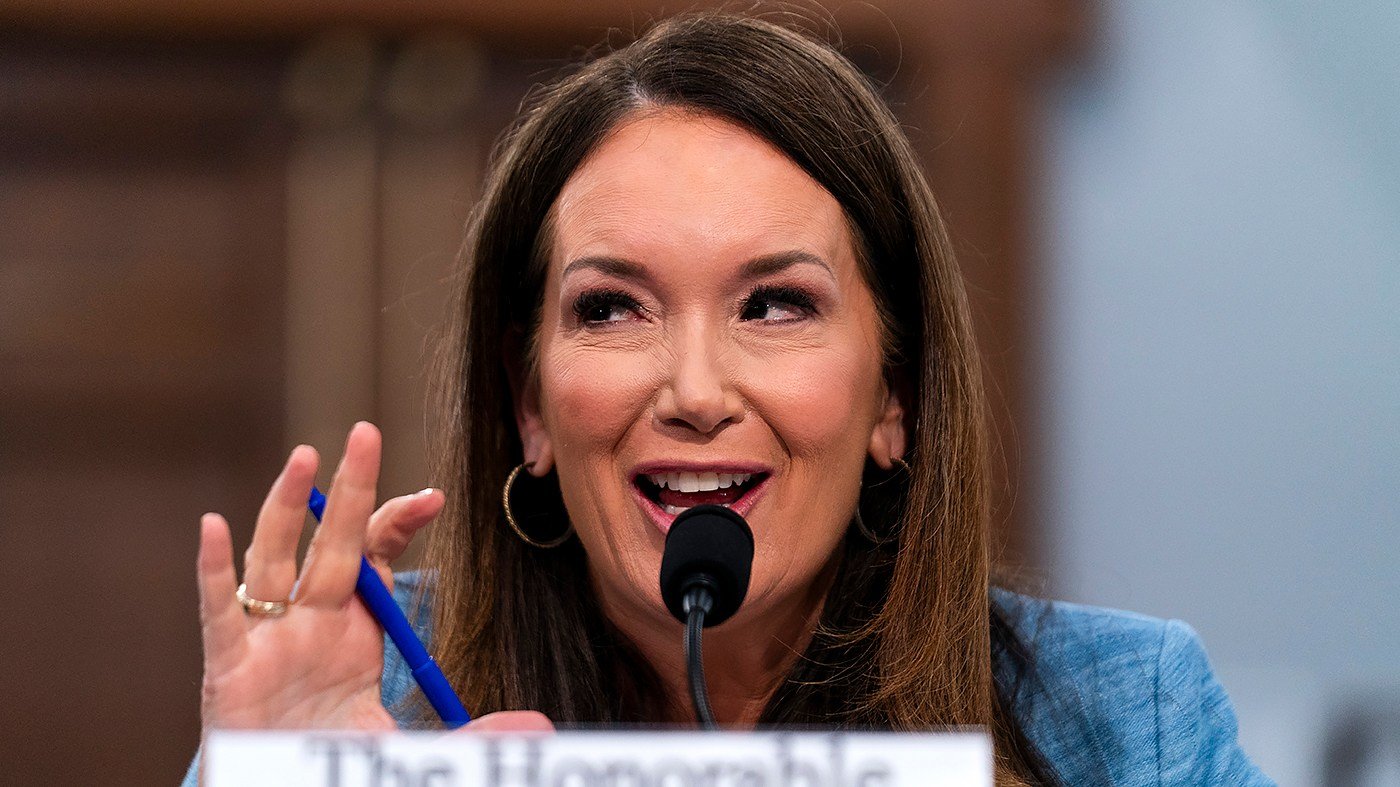
A federal district judge ruled Thursday that Agriculture Secretary Brooke Rollins likely ran afoul of the First Amendment by sending holiday messages to USDA employees that invoked Jesus, God, and resurrection themes, according to a court order that could set a precedent for faith-based communications in federal agencies.
U.S. District Judge Trina Thompson, a Biden appointee, sided with federal workers who sued in May over four emails Rollins sent during her tenure. While the judge dismissed claims about two of the messages, she found that the Christmas and Easter emails crossed a constitutional line by implying that employees should share the secretary's Christian faith.

“The April 5, 2026, and Dec. 23, 2025, messages go too far,” Thompson wrote. “They suggest acquiescence that amounts to coercive pressure; a pressure of conformity sufficient to raise an Establishment Clause violation.”
The ruling underscores the tension between personal religious expression and the government's duty to remain neutral under the Establishment Clause. Thompson emphasized that Rollins's “good faith intentions … are not the issue here,” adding that the Constitution “requires the Secretary to observe her own directives.”
The Easter email, which opened with “Happy Easter — He is Risen indeed!,” told staff that God had “granted each of us victory and new life,” and compared USDA employees to “the very first disciples to encounter our risen Lord in the Upper Room almost two thousand years ago.” Thompson said that language portrayed “the agency's work as a mission to serve her particular Christian views.”
The lawsuit, filed by USDA employees, alleged that the messages made them “feel excluded and unwelcome” and that they feared retaliation for not sharing the secretary's religion. Politico first reported on the Easter email earlier this year, and the case has drawn attention to how federal courts are policing religious expression in the Trump administration.
Rollins, who has been open about her Christian faith and participates in Bible study with other Cabinet members, had argued that her emails were personal reflections. But Thompson rejected that defense, noting that the messages were sent from her official position and carried the weight of her authority.
The ruling also cited the Free Exercise Clause, which protects individual religious practice, but Thompson stressed that the government cannot use its power to “sway an individual's decision about whether and how to practice their faith.” The decision draws on the 1944 Supreme Court case Prince v. Massachusetts, which allowed government to override religious objections when a compelling interest is at stake.
The USDA has not yet commented on the ruling. The judge's order does not impose immediate penalties but leaves the door open for further proceedings, and legal experts say it could influence how federal agencies craft religiously themed communications in the future.