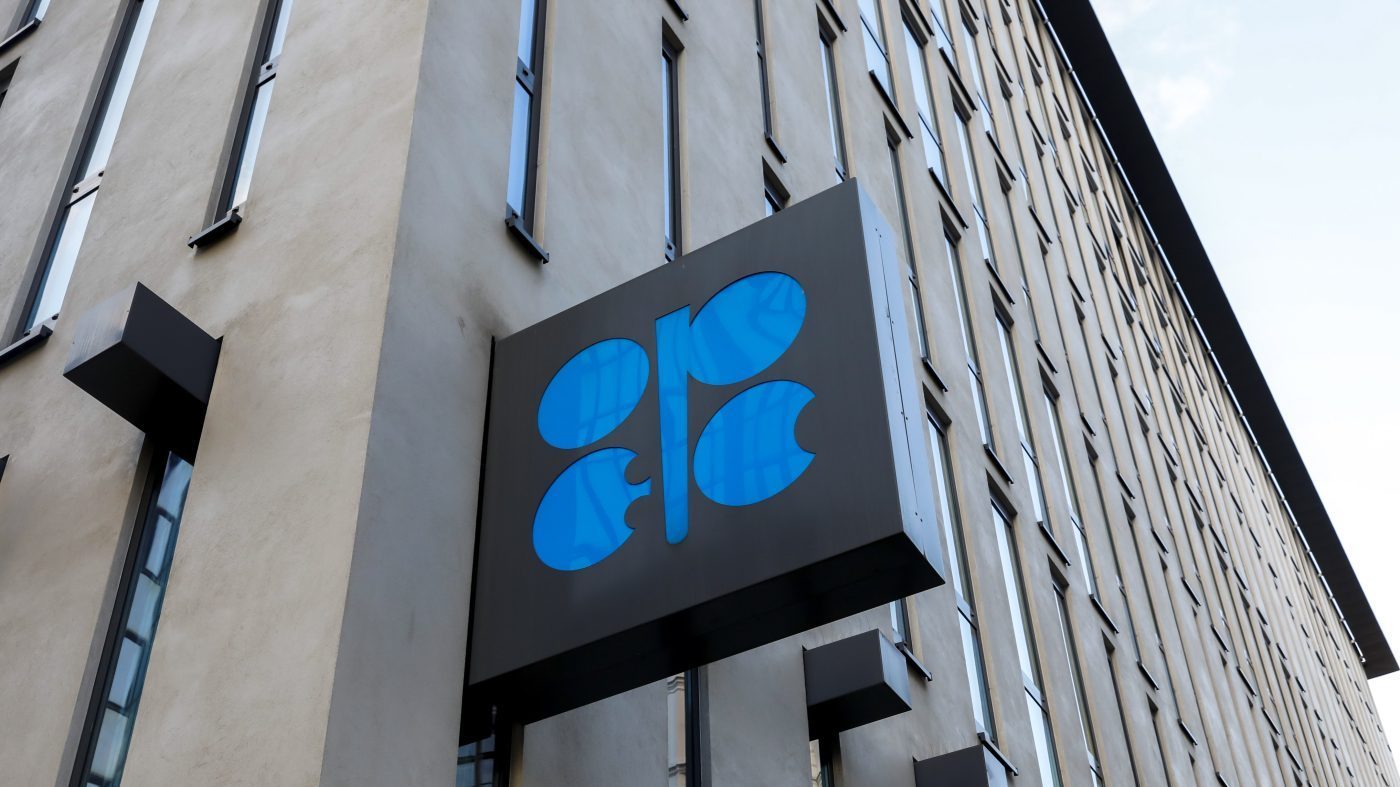
Seven of the world's major oil-exporting countries have decided to hold their oil output steady for November, a move that comes as fuel prices remain elevated amid the ongoing conflict with Iran. The OPEC+ group, which includes Algeria, Iraq, Kazakhstan, Kuwait, Oman, Russia, and Saudi Arabia, confirmed on Sunday that they will maintain the production levels agreed upon in September, according to a statement from the Organization of the Petroleum Exporting Countries (OPEC).
Under the current arrangement, Saudi Arabia, Russia, and Iraq are set to lead production next month, with Kuwait, Kazakhstan, Algeria, and Oman following. The group's leaders are scheduled to convene again on November 1 to reassess the situation, the statement noted. OPEC+ encompasses both OPEC members and other allied oil-producing nations.
The decision comes as gasoline and diesel prices have surged during the more than seven-month Iran war, which has stretched into October despite earlier predictions of a quick resolution. On Friday, both Brent crude, the international benchmark, and West Texas Intermediate (WTI), the North American standard, closed above $90 per barrel.
These energy shocks have rippled into the United States, where the average price for a gallon of regular gasoline reached approximately $4.37 as of Sunday, according to AAA. Diesel fuel has also climbed to about $6.34 per gallon, up from roughly $3.70 a year ago.
The conflict has had a direct impact on oil shipping, with Iranian military forces imposing restrictions on the Strait of Hormuz, a vital waterway for global oil trade. In response, the U.S. military has been escorting tankers through the strait. Admiral Brad Cooper, head of U.S. Central Command (CENTCOM), reported last month that American forces have supported the transit of more than 1 billion barrels of crude oil through the waterway in recent months.
"We've reached this significant milestone while assisting over 2,000 commercial ship transits through the strait by providing coordinated protection. Clearly momentum is building," Cooper said in a video posted to social media by CENTCOM.
Analysts note that the decision to keep production steady may signal that OPEC+ is comfortable with current price levels, even as some consumers face higher costs at the pump. The group's next meeting will be closely watched for any shifts in policy, especially if tensions in the region escalate further.
Meanwhile, diplomatic efforts continue, with Iran proposing a seven-day plan to end hostilities and reopen the Strait of Hormuz, though no breakthrough has been announced. The ongoing situation underscores the delicate balance between energy security and geopolitical stability.