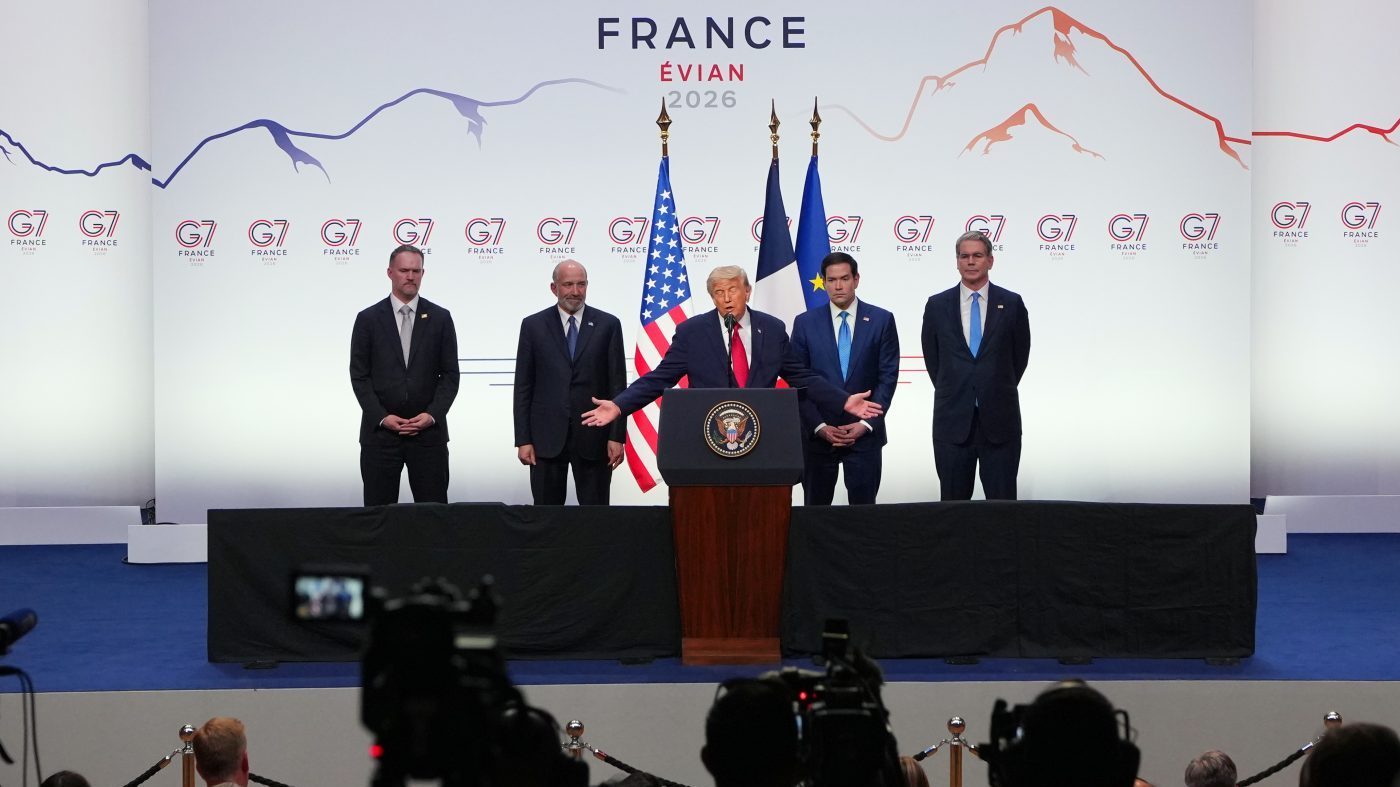
President Trump joined a virtual meeting with G7 leaders and the International Energy Agency on Friday to address what the group described as severe pressures on global energy markets, but his camera remained off while other participants appeared on screen.
Fatih Birol, the IEA's executive director, shared a photo of the call on X that showed the leaders of Canada, Germany, Italy, the United Kingdom, the European Commission, France, and Japan visible—but not Trump. It was unclear whether the president's camera was disabled for the entire discussion or only when the image was captured.
In a joint statement, the G7 leaders acknowledged volatile oil markets and "surging prices threatening economic stability." They committed to releasing 100 million barrels of oil over the next four months, with a significant portion of diesel reserves to be tapped in the first 20 days. The statement also condemned Iran for disrupting international trade and energy security, and praised the United States for its efforts to keep the Strait of Hormuz open to commerce.
"We have agreed on decisive, coordinated measures to stabilize immediate energy supplies, shield households and businesses from price shocks, and strengthen the long-term resilience of global energy systems," the leaders said.
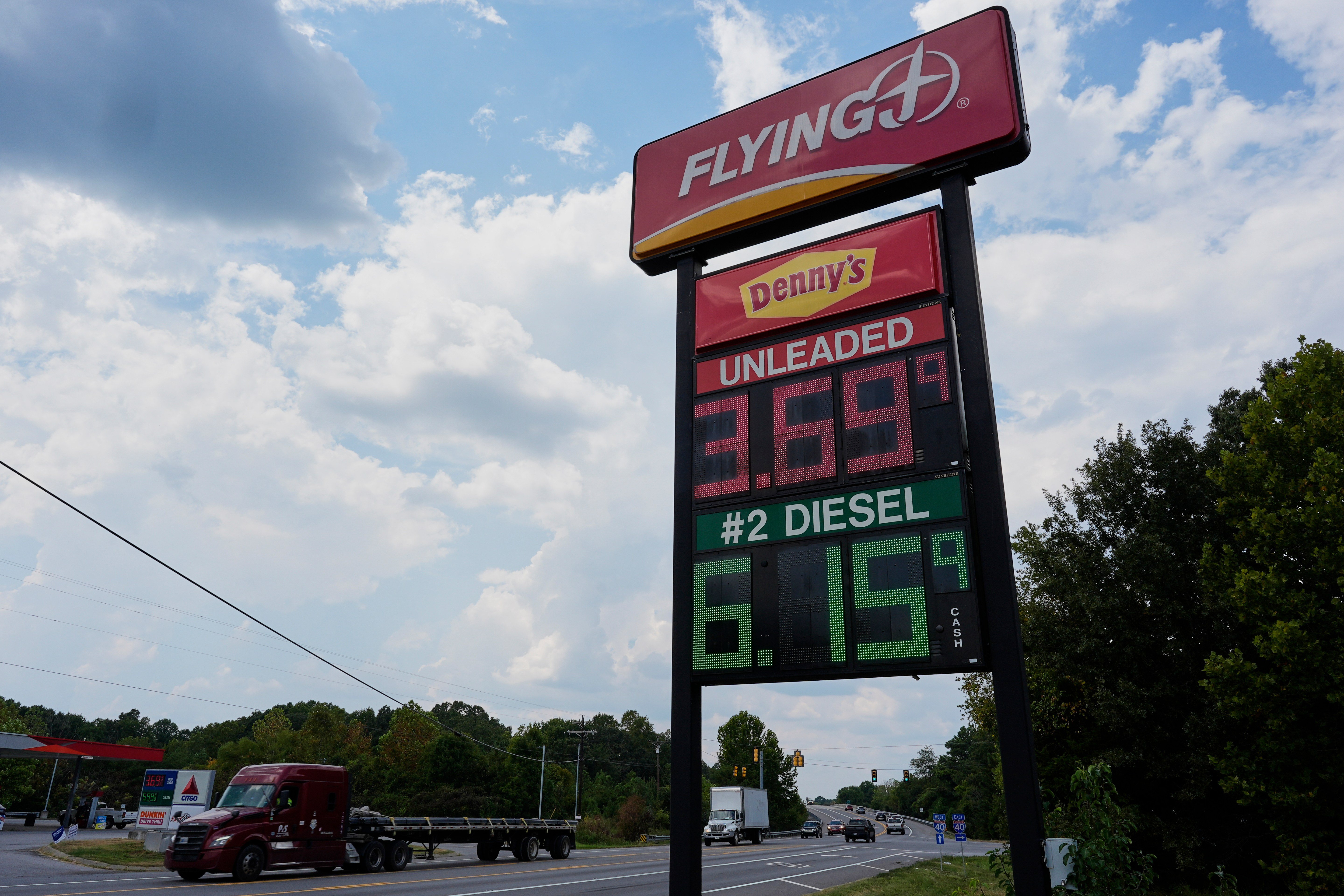
The move comes as diesel prices have climbed by more than $2 per gallon compared with a year ago, while gasoline is up by more than a dollar. The G7 statement emphasized the need to protect consumers from further spikes.
Trump, in a post on Truth Social Friday morning, said Europe had agreed to immediately release a "massive amount" of its diesel stockpile. He has consistently minimized concerns about rising energy costs, arguing last month that the price bump is a "very inexpensive price to pay" for the situation in the Iran war.
The coordinated release is one of the largest emergency drawdowns in recent years, aimed at calming markets rattled by geopolitical tensions and supply chain disruptions. It remains to be seen whether the volume will be enough to offset the loss of Iranian exports and other disruptions.
As the administration navigates these global energy challenges, the president's engagement with allies continues to draw scrutiny. For more on how the White House is balancing domestic and international priorities, see our coverage of America's global leadership and the political dynamics of Trump fatigue.
The G7's action underscores the urgency of the moment, but it also highlights the delicate dance between the U.S. and its partners as they confront a volatile energy landscape and the broader implications for the global economy.