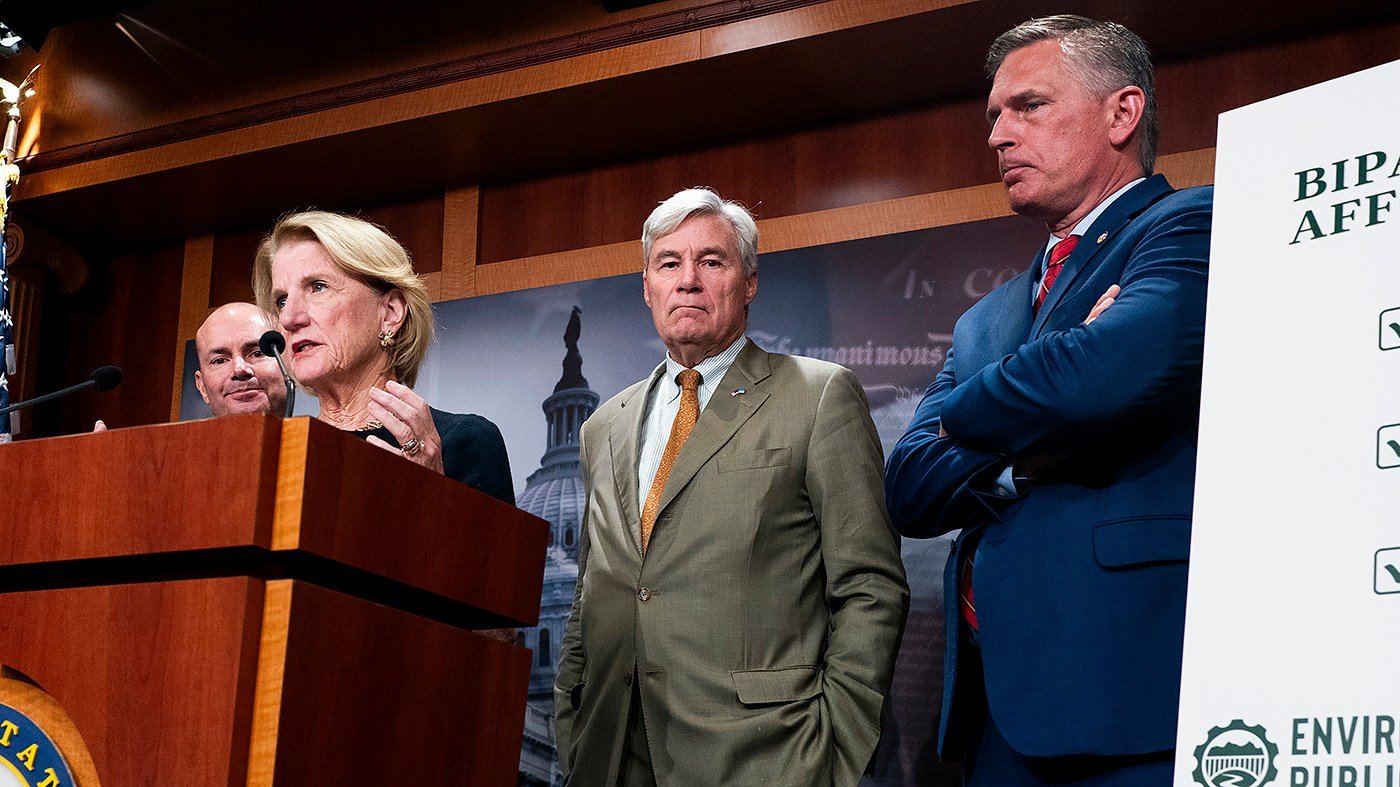
A nonpartisan think tank's modeling released Friday concludes that households in the contiguous United States will face thousands of dollars in additional energy costs through 2040 as a direct result of federal policy changes enacted since President Donald Trump returned to office.
Energy Innovation, a California-based research group, projects the cumulative average increase per household at $6,500, with residents of Oregon, Mississippi, South Dakota, Virginia, and Wyoming hit hardest—roughly $9,000 each. The analysis attributes the higher costs to a surge in natural gas demand for electricity, driven by the administration's cancellation of new clean energy projects, and increased gasoline demand from the rollback of vehicle efficiency and emissions incentives.
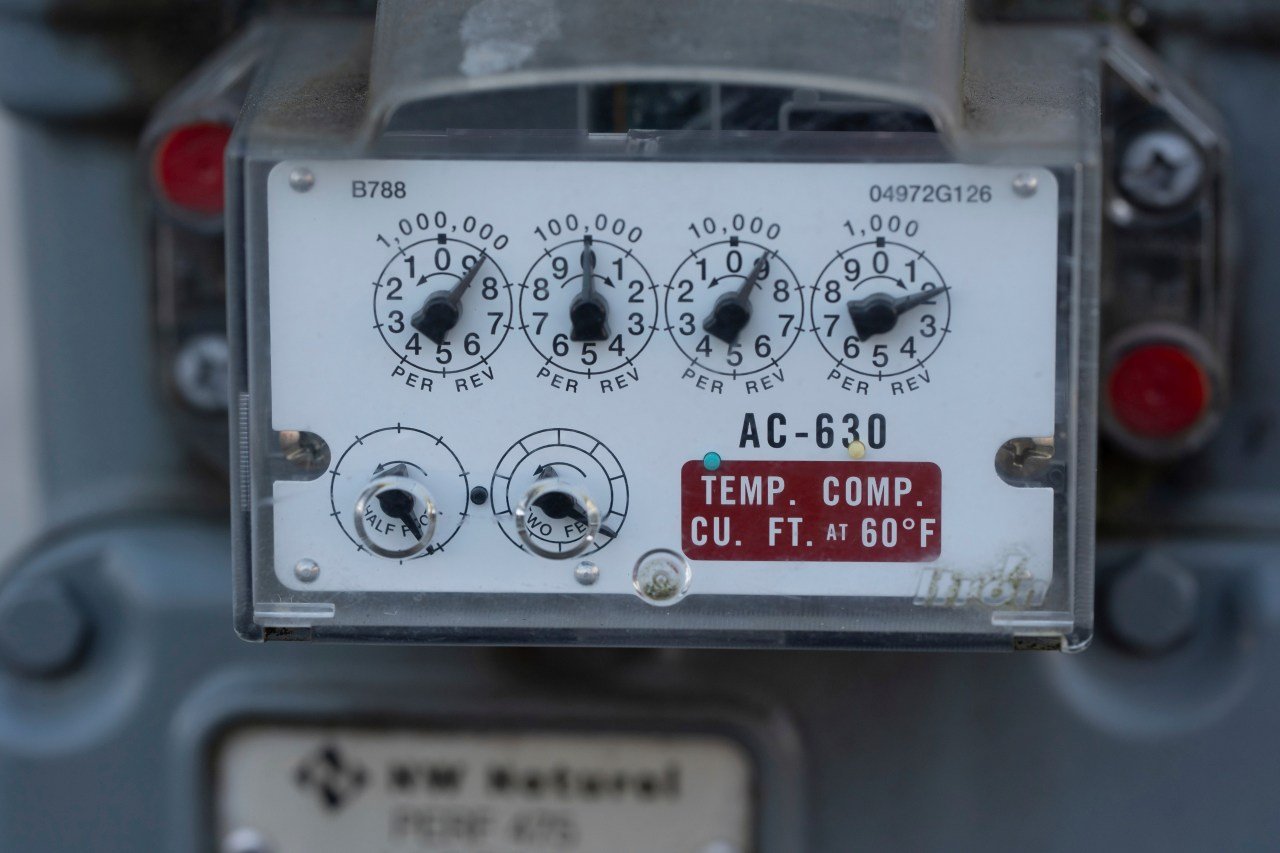
These findings come as electricity bills already outpace inflation in many regions, partly due to data center demand, and as the Iran conflict pushes oil and gasoline prices upward. The White House disputes the think tank's conclusions, arguing that Trump's policies will lower costs. Spokeswoman Taylor Rogers emphasized that reducing electricity prices is a top priority and that the president is "unleashing reliable energy like coal and natural gas" to fix what she calls the "catastrophic damage" Democrats inflicted on the power grid. She cited a 2025 Department of Energy report warning of blackouts if coal and gas plants close.
Rogers dismissed Energy Innovation as partisan, noting its staff's donations to Democrats and climate work. The think tank's spokesman, Silvio Marcacci, countered that they collaborate with policymakers from both parties and rely on government data, including from the Energy Information Administration.
The analysis focuses on the sweeping tax credit cuts in the One Big Beautiful Bill, environmental deregulation—including the revocation of the scientific basis for climate action—weakened fuel economy standards, a block on California's gas-car ban, and federal halts on wind, solar, and hydrogen projects. Energy Innovation projects annual energy costs will rise in every contiguous state, with job losses in 47 states and GDP declines in 46. It also estimates 37,000 premature deaths from air pollution, $72 billion in added healthcare costs, and over 9 billion tons of extra carbon emissions. Alaska and Hawaii were excluded due to data gaps.
Robbie Orvis, the think tank's senior director for modeling, found no silver lining. "Across pretty much every state, things are worse," he said, citing a worsening affordability crisis.
Climate Justice Alliance legislative director Mar Zepeda, whose own D.C. electric bill jumped $200 last month, said federal "affordability" policies ignore ordinary people. "They may call it affordability, but affordable for whom and at what cost?" she asked.
The White House points to higher energy costs in Democratic-led states like California and New York as proof that Republican policies work, echoing a December report from the conservative Institute for Energy Research. However, Energy Innovation's data show three of the five highest-cost states have Republican governors, and states that voted for Trump in 2024 will see average cumulative costs of $7,000 per household versus $5,800 in Harris-voting states. States with high wind and solar output, including Republican-led Iowa and Oklahoma, have seen the lowest rate increases.
EIA data show residential electricity prices have climbed steadily, from 12.6 cents per kilowatt-hour in January 2021 to 17.45 cents in January 2026 and 18.31 cents by July. Oregon faces the steepest projected annual increases—$840 by 2035 and $1,200 by 2040 per household. The bipartisan permitting bill recently passed by the Senate could alter some dynamics, but the think tank's outlook remains bleak for most states. As the political debate intensifies, Trump's meetings with global leaders and tech executives have drawn attention, yet the energy cost issue remains a potent midterm issue. Trump's red-state rallies have touted his energy agenda, but the data suggest otherwise for many of his supporters.