Cornell University is under intensifying scrutiny from lawmakers, activists, and the public over its handling of a former student's alleged gang rape, with demands for greater transparency and accountability growing louder.
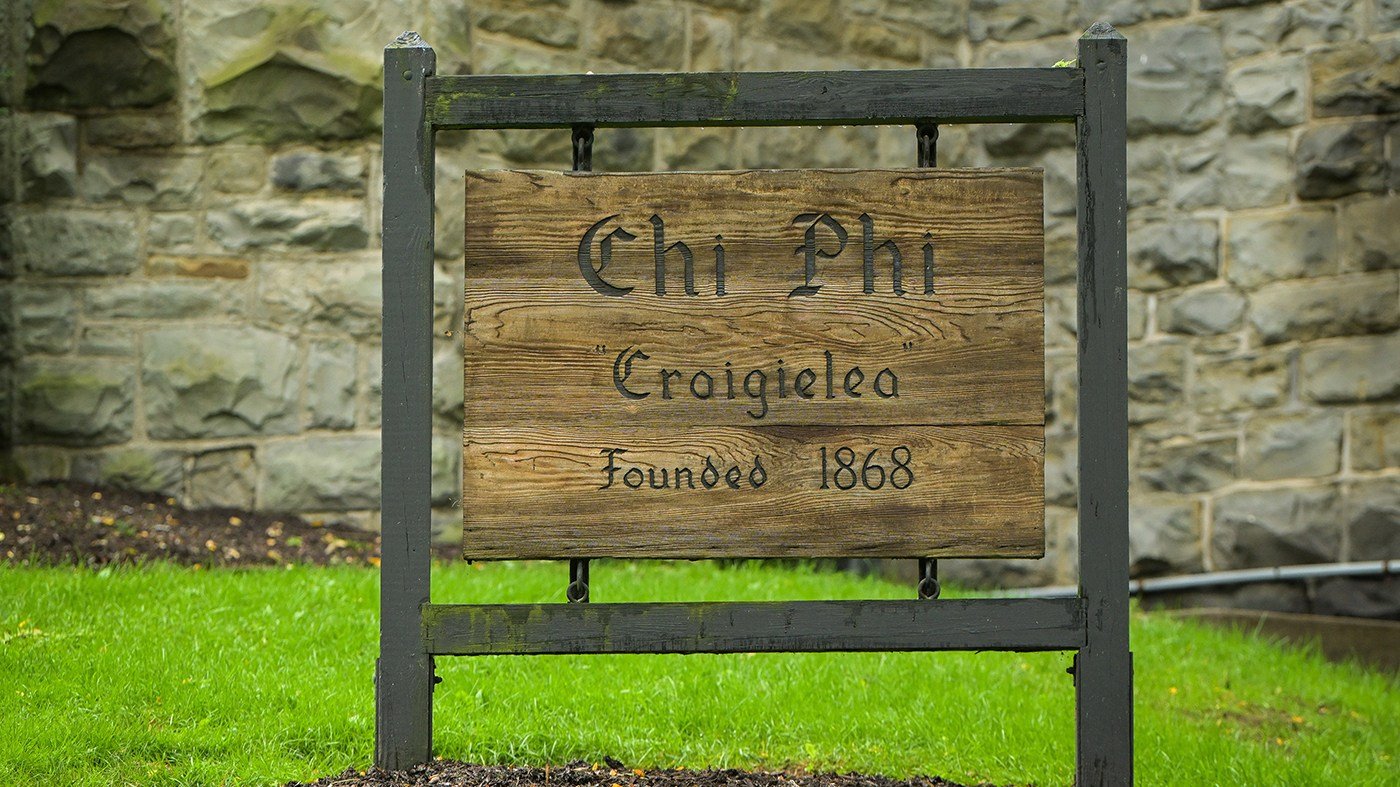
The controversy stems from a lawsuit filed in September by a student identified as Jane Doe, who alleges she was raped by seven men at the Chi Phi fraternity house in October 2024. The university has defended its response, noting that 12 Title IX hearings were held and that some accused students faced suspensions or expulsion. However, critics argue the institution failed Doe, who dropped out due to the trauma.
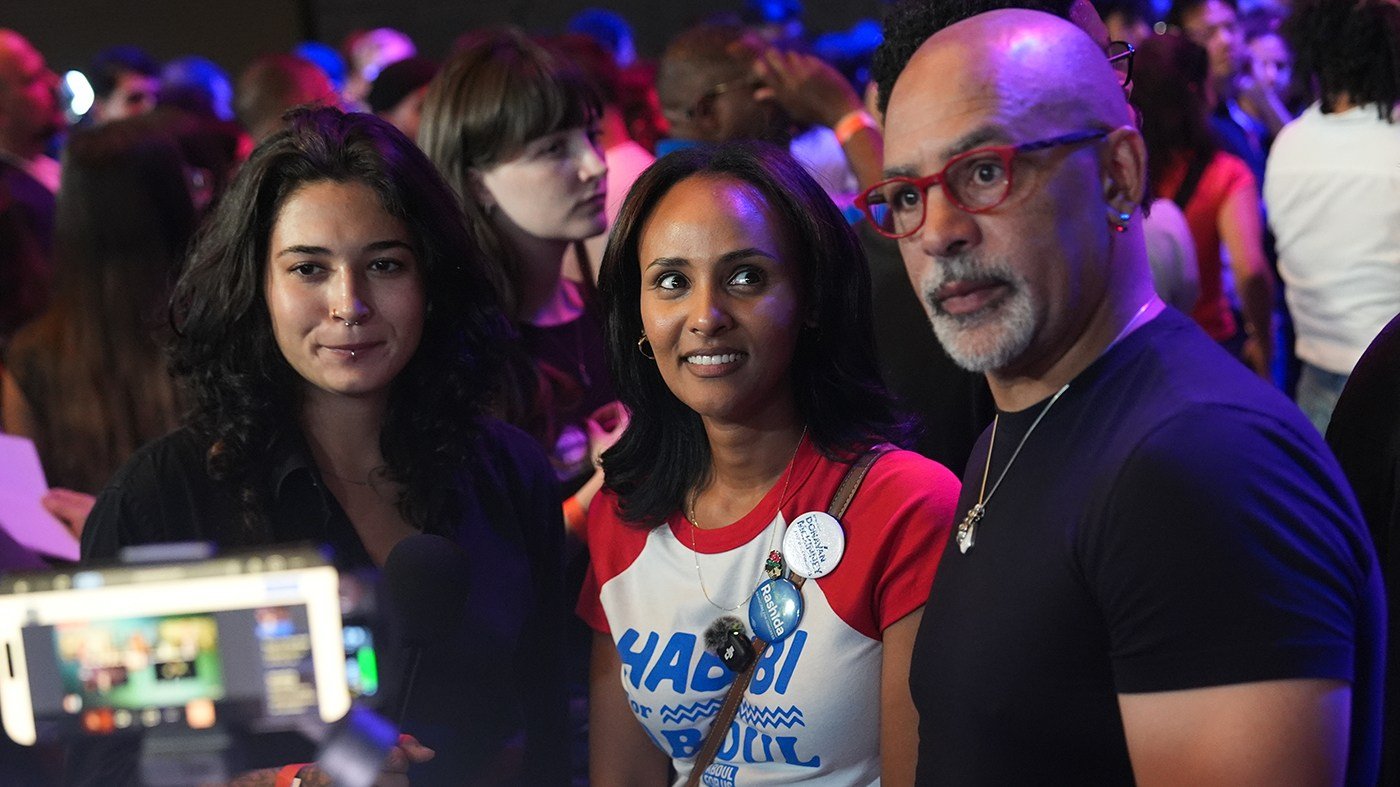
“Because she lost her access to her education, and this went unaddressed for so many years until some brave student journalists brought it back to the forefront. We already know that Cornell failed its Title IX obligations,” said Maha Ibrahim, director of Gender-Based Violence Law Programs at Equal Rights Advocates. “And lastly, just because Cornell had a Title IX process doesn’t tell us anything and actually may tell us more about how they failed than how they succeeded or attempted to succeed.”
The lawsuit, filed in September, names Cornell as a party responsible for allegedly failing to support Doe during the process, investigate properly, or take appropriate action. Doe says she was given drugs and alcohol before the assault. Cornell has issued a FAQ sheet stating that temporary suspensions were immediately imposed and that the Chi Phi fraternity has remained closed. The university denied rumors that the men were only required to write an essay, but cited federal privacy laws in refusing to disclose specific sanctions.
Despite these steps, the university has declined to release the six-page victim report it provided to the Tompkins County District Attorney’s Office. The DA has reopened the case, though it previously declined to pursue charges, saying Doe did not explicitly state she was forced. However, CBS News obtained a transcript of Doe’s interview with campus police in which she said she was “100% certain” she was raped.
Political pressure has escalated. New York Governor Kathy Hochul announced this week that she is calling for an independent review. “There are also serious questions about Cornell’s campus culture and its systems for prevention, reporting and response,” Hochul said. “That is why I am calling for outside counsel to conduct a transparent, independent review of the university’s response to determine whether Cornell met every obligation to protect its students and pursue justice.”
Senate Democratic Leader Chuck Schumer echoed those demands, stating, “The allegations of sexual assault and rape at Cornell University are horrifying and deserve a thorough investigation that leaves no stone unturned. There must now be a truly independent and exhaustive investigation — not only into what happened, but into how this case was handled from the moment she came forward.”
Advocates argue that even with privacy constraints, Cornell could share more about its investigative process. “They could provide more transparency in a general way about how the investigation was conducted, what kinds of questions were asked, what kind of evidence did they examine, what was the approach that they took in speaking with Jane Doe,” said Tracey Vitchers, executive director of It’s On Us. She suggested the university may be holding back to mitigate legal risk, potentially avoiding countersuits from accused students.
Beyond the investigation, supporters point to inadequate victim support. Doe’s lawyer said the school refused to refund her tuition when she sought to leave campus. Cornell said it “works with students who wish to take a leave of absence or withdraw” and regularly refunds payments if students are no longer enrolled. Shiwali Patel of the National Women’s Law Center questioned whether supportive measures were offered, noting that the school's actions remain unclear.
As calls for transparency intensify, Cornell has said it has no new information beyond its FAQ sheet. The university also established a Presidential Task Force on Campus Sexual Assault in 2025, with recommendations now being implemented. Yet, with a grand jury looming and Snapchat messages central to the case, the pressure on Cornell to fully account for its actions is unlikely to subside.