A fresh analysis from the nonpartisan Energy Innovation think tank projects that households across the contiguous United States will face an average of $6,500 in additional energy costs through 2040 as a direct result of federal policy changes enacted since President Donald Trump returned to office. The modeling, released Friday, paints a stark picture of rising electricity and gasoline prices tied to the administration's rollback of clean energy incentives and environmental regulations.
According to the report, five states—Oregon, Mississippi, South Dakota, Virginia, and Wyoming—will see cumulative household energy bills climb by roughly $9,000 over the same period. The think tank attributes these increases to a combination of factors: the cancellation of new clean energy projects, which boosts demand for natural gas in power generation, and the revocation of federal policies that encouraged fuel-efficient and low-emission vehicles, thereby increasing gasoline demand. Higher demand, the analysis argues, drives up prices.

The findings come as electricity bills are already outpacing inflation in much of the country, partly due to surging demand from data centers. Additionally, the ongoing conflict in Iran has pushed oil and gasoline prices higher, compounding the financial strain on consumers.
In contrast, the White House insists that Trump's energy agenda will lower costs. Spokeswoman Taylor Rogers said in a statement that reducing electricity prices remains a top priority and that the president is "unleashing reliable energy like coal and natural gas" to reverse what she called the "catastrophic damage" Democrats inflicted on the power grid through their clean energy push. A 2025 Department of Energy report, mandated by Trump, warned of increased blackouts if coal and natural gas plants were shuttered.
"Joe Biden created a grid crisis; President Trump is fixing it," Rogers wrote. "If the Democrats had their way, these costly and unreliable renewable energy projects would still be failing our grid and our communities."
The analysis focuses solely on federal policy changes, including the sweeping tax package that slashed clean energy tax credits—known as the One Big Beautiful Bill—as well as environmental rollbacks, the loosening of fuel economy standards, and the blocking of California's rule banning new gas-powered cars by 2035. It also cites federal actions to halt wind, solar, and hydrogen projects. These shifts, the report says, will raise annual household energy costs in every contiguous state, lead to job losses in 47 of 48 states, and reduce GDP in 46 states.
The think tank also projects 37,000 additional premature deaths from air pollution, $72 billion in extra healthcare costs, and more than 9 billion tons of additional carbon pollution due to the environmental rollbacks. Robbie Orvis, senior director for modeling and analysis, said the outlook is grim across the board. "Across pretty much every state, things are worse. The outlook now is worse for states and the affordability crisis will be worse because of the combined set of policies," he said.
Mar Zepeda, legislative director for the Climate Justice Alliance, said her own electric bill in Washington, D.C., jumped $200 in the past month, blaming data center demand and federal policies that exacerbate rate increases. "They may call it affordability, but affordable for whom and at what cost? Not for regular people," Zepeda said.
The White House dismissed the think tank's nonpartisan label, with Rogers calling it "irresponsible" to classify Energy Innovation as such, citing employee donations to Democrats. Spokesman Silvio Marcacci countered that the group works with policymakers from both parties and that several Republican-led states have used its modeling tools. He noted that much of the data comes from government sources like the Energy Information Administration.
Rogers also pointed to Democratic-led states with aggressive renewable mandates, such as California and New York, as examples of high energy costs, arguing that Republican policies are working. However, the Energy Innovation analysis found that three of the five states facing the highest costs have Republican governors, and states that voted for Trump in 2024 will pay an average of $7,000 more per household, compared to $5,800 in states that supported Kamala Harris. States with high wind and solar generation, including Republican-led Iowa and Oklahoma, have seen the lowest rate increases, according to the research.
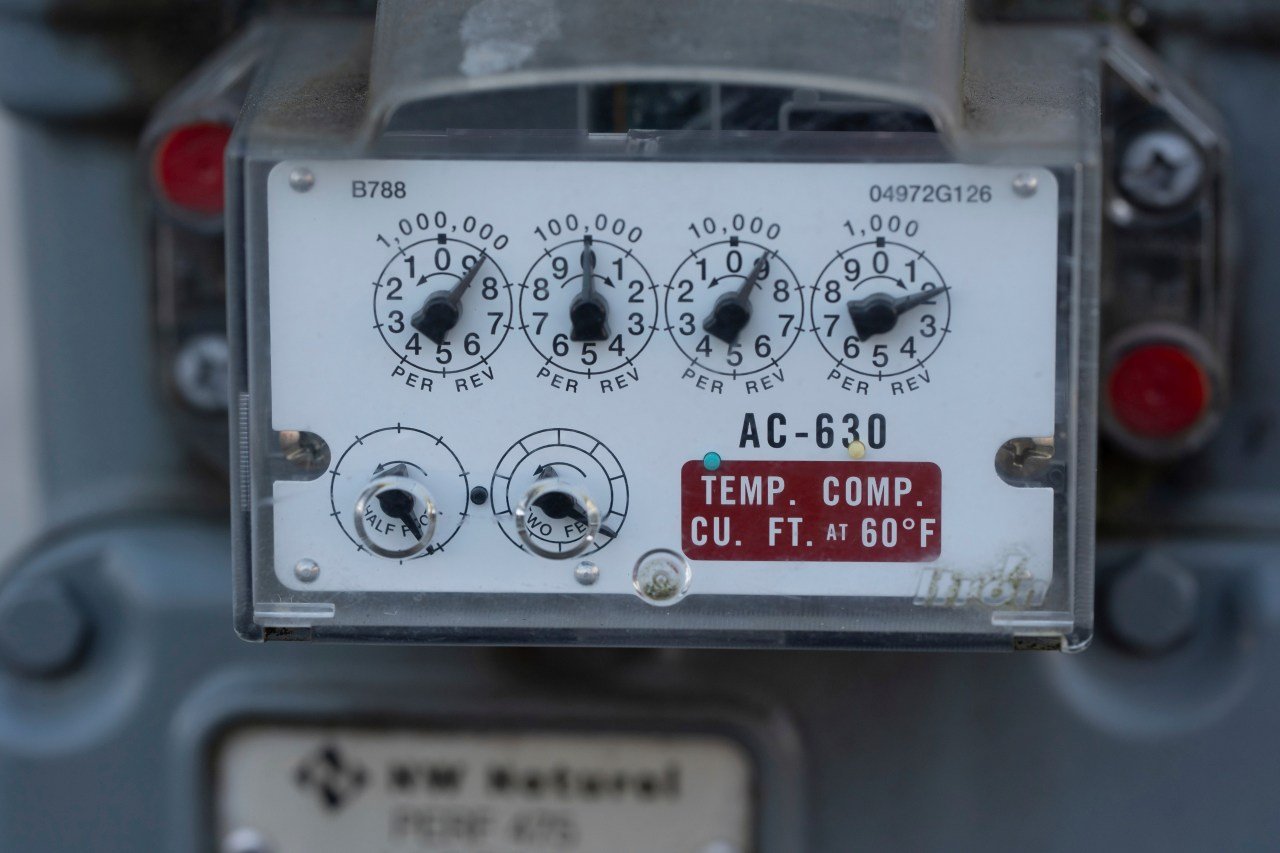
EIA data shows that average residential electricity prices have risen steadily, from about 12.6 cents per kilowatt-hour in January 2021 to nearly 16 cents when Trump took office in January 2025, and further to 17.45 cents by January 2026 and 18.31 cents by July. The report projects Oregon households will see the largest annual increase, with energy spending rising by $840 per household in 2035 and $1,200 in 2040, cumulatively reaching $9,300.
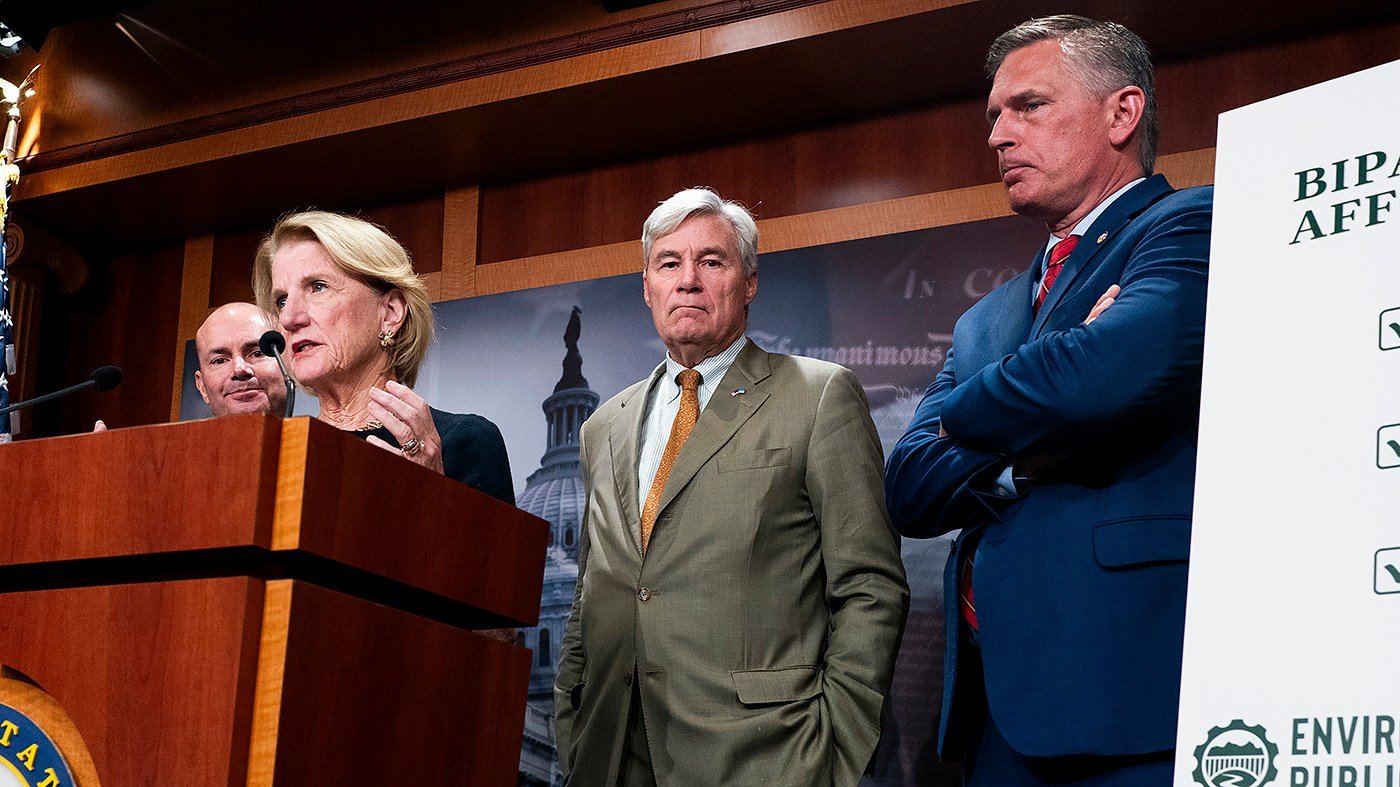
The findings underscore a widening partisan divide over energy policy, with the administration's fossil fuel focus clashing with the think tank's projections of higher costs and environmental harm. As the midterm elections approach, energy affordability is likely to remain a central political battleground, with bipartisan permitting reform efforts and Trump's high-profile meetings shaping the discourse.