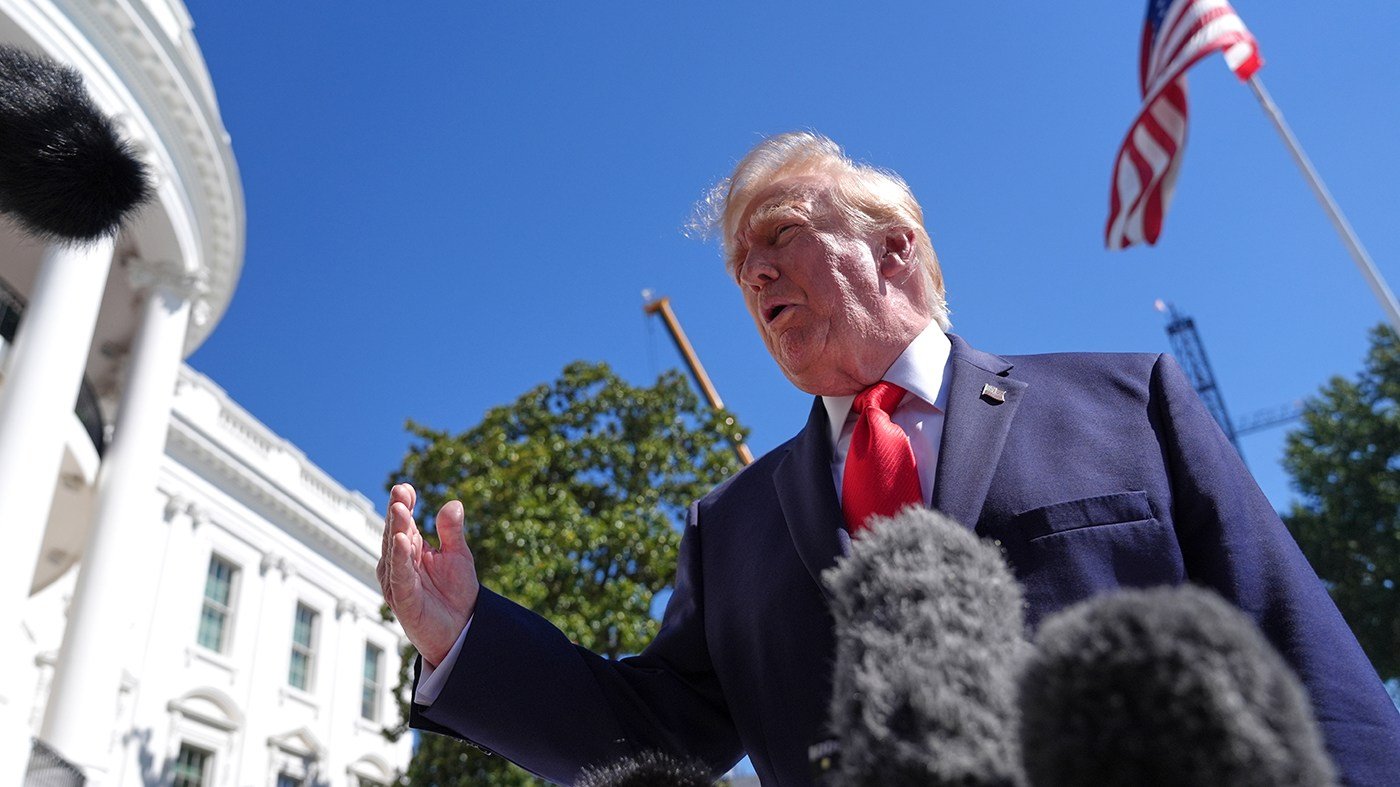
President Trump has escalated his disregard for legal boundaries, using taxpayer funds to air what critics call campaign propaganda. The move follows a Supreme Court ruling that granted him broad immunity from prosecution, emboldening him to test the limits of executive power.
Earlier this month, the White House barred CNN, MSNBC, and Politico from press access, citing their "negative" coverage. Trump claimed these outlets aim to "diminish the Republicans and a Republican administration," adding, "It's sick. There's something wrong with a country that can allow people to write purposely negative stories."
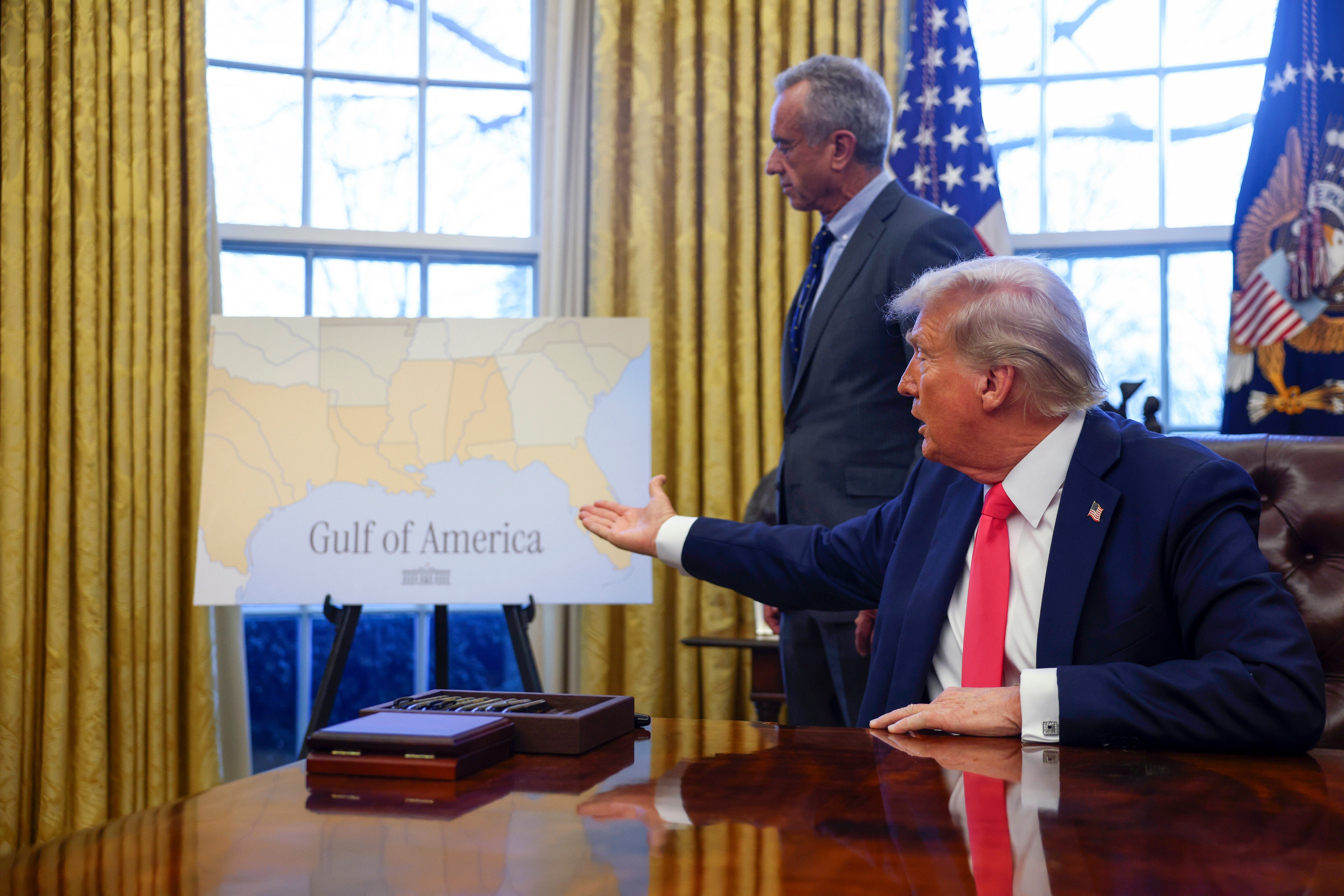
Legal experts, including appellate attorney Chris Truax, note that punishing media for unfavorable coverage is a profound violation of First Amendment principles. The Associated Press remains in litigation over its exclusion from White House events, stemming from its refusal to adopt the administration's terminology for the Gulf of Mexico.
Despite a court order to restore access for the banned outlets, CNN has been excluded from covering presidential travel. Now, Trump has launched taxpayer-funded advertisements explicitly labeled "Paid for by the U.S. Government."
The first ad, set to JMSN's "Love Me," attacks "Marxists, communists, and socialists" and praises Trump as "the toughest, most resilient person I've ever met." The second ad is nearly identical to a campaign spot Trump ran in January 2024, featuring him urging supporters to join the "final battle" against the "sick political class" and "fake news media."
Federal law, including the Consolidated Appropriations Act, prohibits using government funds for "publicity or propaganda purposes" or "self-aggrandizement." Legal scholars argue these ads blatantly violate that statute, as they are purely partisan and self-promotional.
Trump has already spent $2.5 million of taxpayer money on these ads, with plans to spend at least $20 million. His administration defends them as "public service announcements," claiming "patriotism isn't partisan." But critics see this as a dangerous conflation of the president with the state, undermining democratic norms.
As Trump continues to test boundaries—from rallying in red states to promoting manufacturing—his latest move raises alarms about the integrity of federal spending and the separation of party and government.