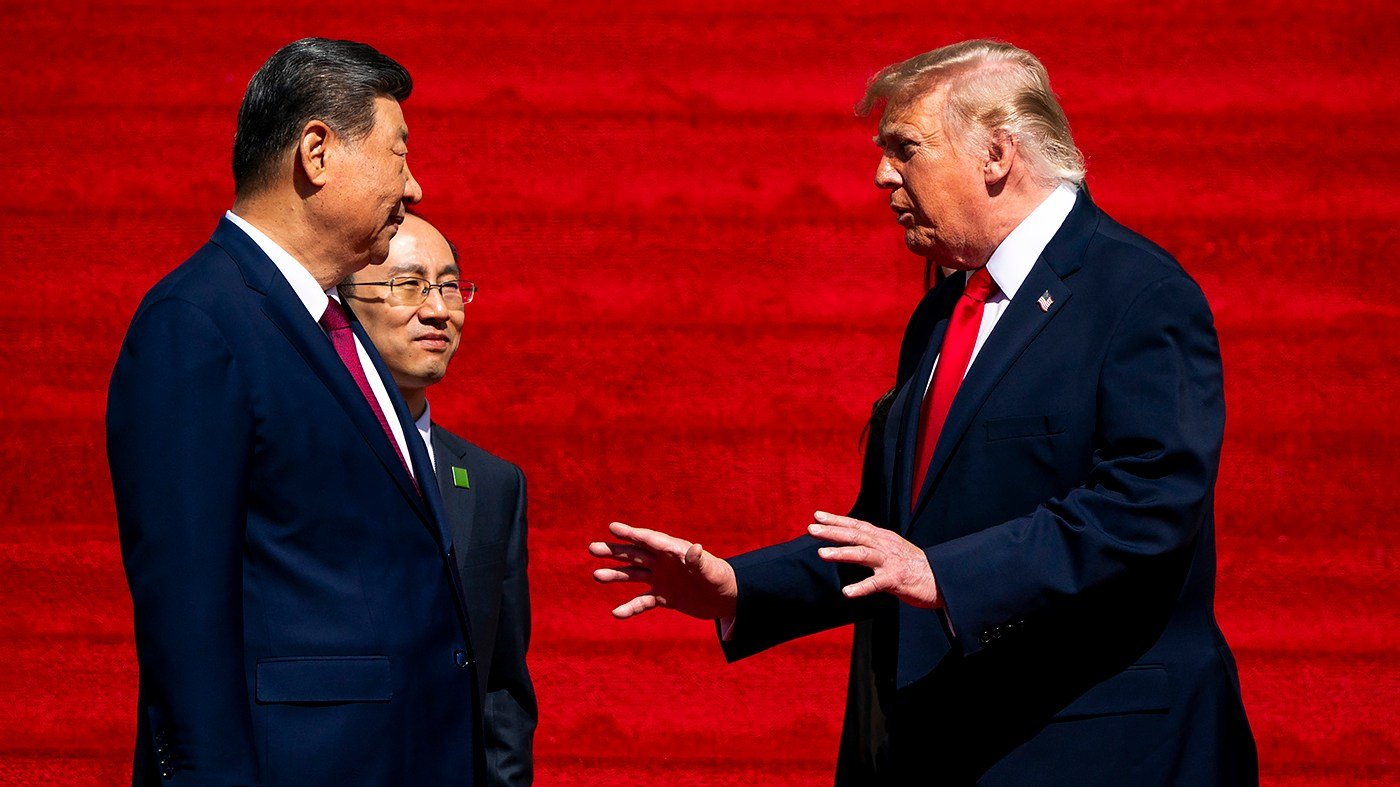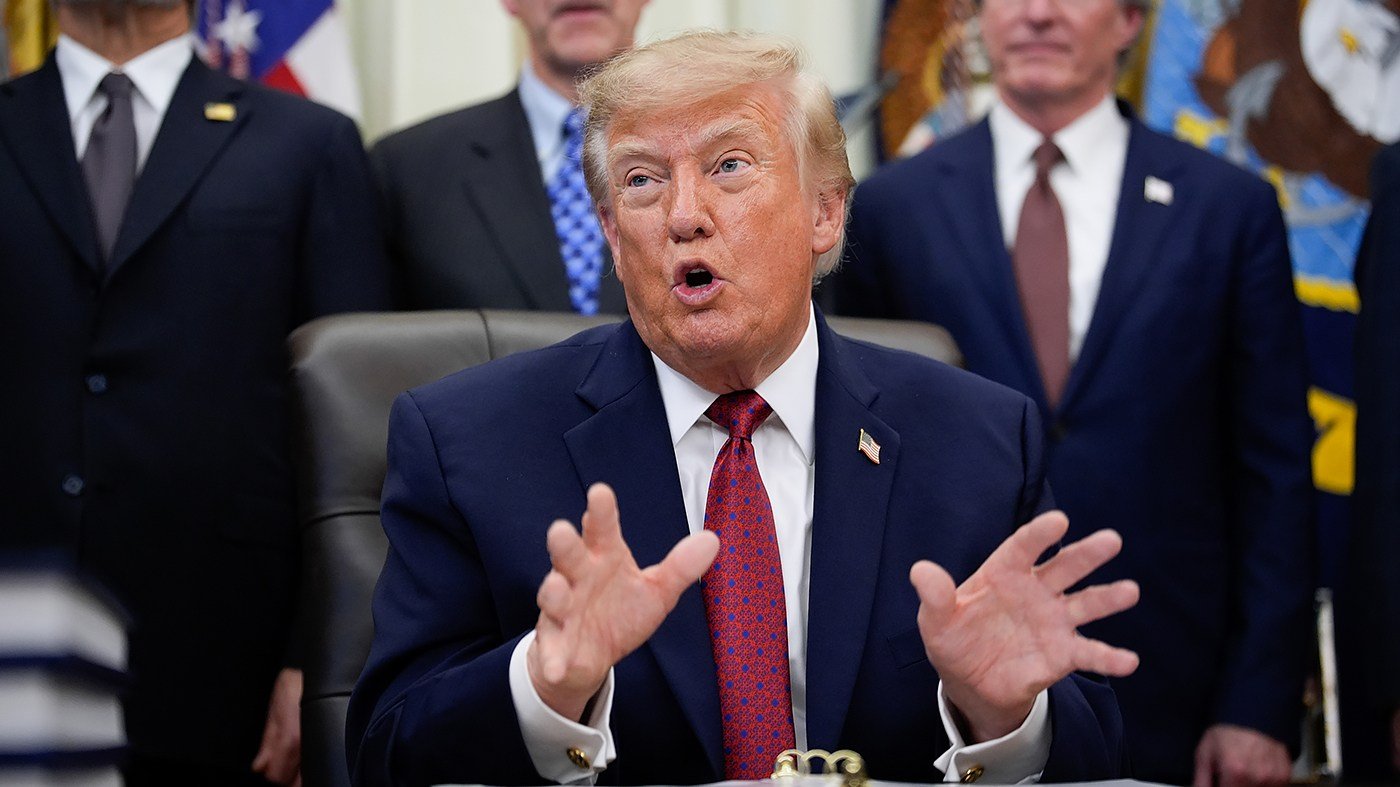
Senate Republicans are increasingly divided over President Trump's role in the midterm elections, as many fear his polarizing presence could alienate the independent voters who will decide control of the chamber.
In battleground states like North Carolina, Ohio, Iowa, and Alaska, GOP senators say Trump's low approval among independents makes him a risky campaign surrogate. A Fox News poll from mid-September showed just 24 percent of independents approve of his job performance, and an AARP poll in North Carolina found only 26 percent view him favorably.
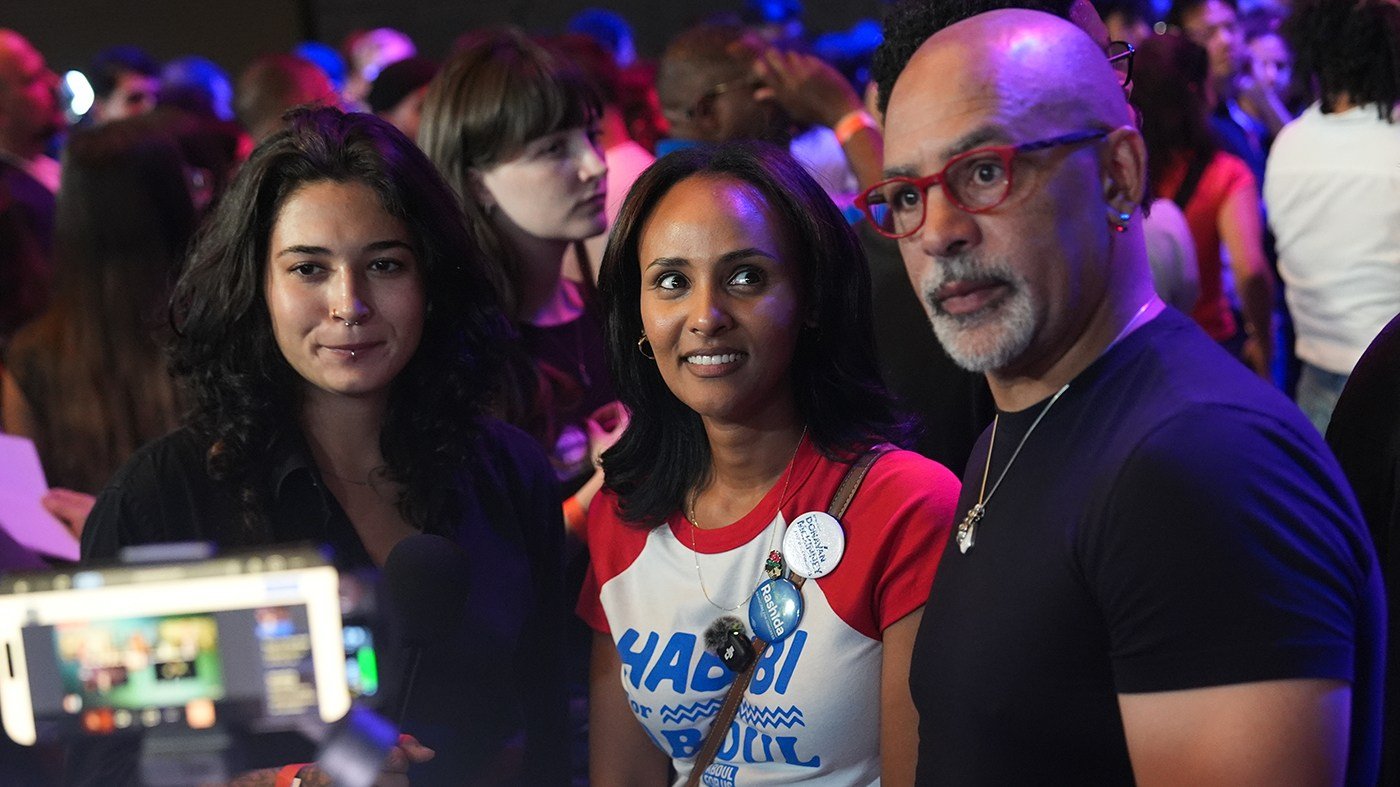
"Forty percent of our electorate is unaffiliated. You can't win with just a pure MAGA base," said retiring Sen. Thom Tillis (R-N.C.). He advised GOP Senate candidate Michael Whatley to avoid campaigning with Trump, saying, "I don't think it benefits him. I haven't seen any poll where [Trump] is going to help us with unaffiliateds."
Some GOP senators are urging Trump to steer clear of key races, warning his visits could backfire with the very voters needed to hold the Senate majority. One anonymous Republican senator argued that in Midwestern states hit hard by the Iran war's economic fallout and Trump's tariff policies, his presence might energize the base but lose more independents than it gains. "We need those independents," the senator cautioned.
But vulnerable incumbents like Sens. Roger Marshall (Kan.) and Jon Husted (Ohio) are eager for Trump's help, betting his ability to fire up the GOP base outweighs the risk with swing voters. Husted noted Trump carried Ohio by 11 points in 2024, while Marshall said he'd "love" to have Trump campaign in Kansas, where he faces a surprisingly strong challenge from Democrat Adam Hamilton.
Trump is set to visit Ohio on Tuesday to support Husted, and he's planning stops in Nebraska, Iowa, Alaska, Texas, and Florida. In Nebraska, Sen. Pete Ricketts faces independent Dan Osborn, who has hit the incumbent over data centers and stock investments. Trump's schedule also includes a red-state blitz with rallies in Oklahoma, Alabama, and Texas.
Sen. John Cornyn (R-Texas) warned that Trump's focus on himself could hurt down-ballot candidates, especially with high gas and diesel prices. "The usual argument is in circumstances like this you need to localize the race, not nationalize it," Cornyn said, noting even in ruby-red Texas, Trump's numbers have slipped.
Some strategists, however, argue Trump remains a powerful get-out-the-vote force. "He is a one-man get-out-the-vote machine," said GOP strategist Ford O'Connell, adding that firing up Republicans is crucial in traditionally red territory.
The split reflects a broader GOP dilemma: Trump wants to make the election about himself, but many senators believe the path to a majority runs through independents who are turned off by his style. As Tillis put it, candidates would be "smart" to create some distance and focus on local issues like affordability and the Iran war.
Trump has urged voters to "pretend" he's on the ballot, but that message may be a double-edged sword. With the election weeks away, the question is whether his rallies will help or hurt in the states that decide the Senate.