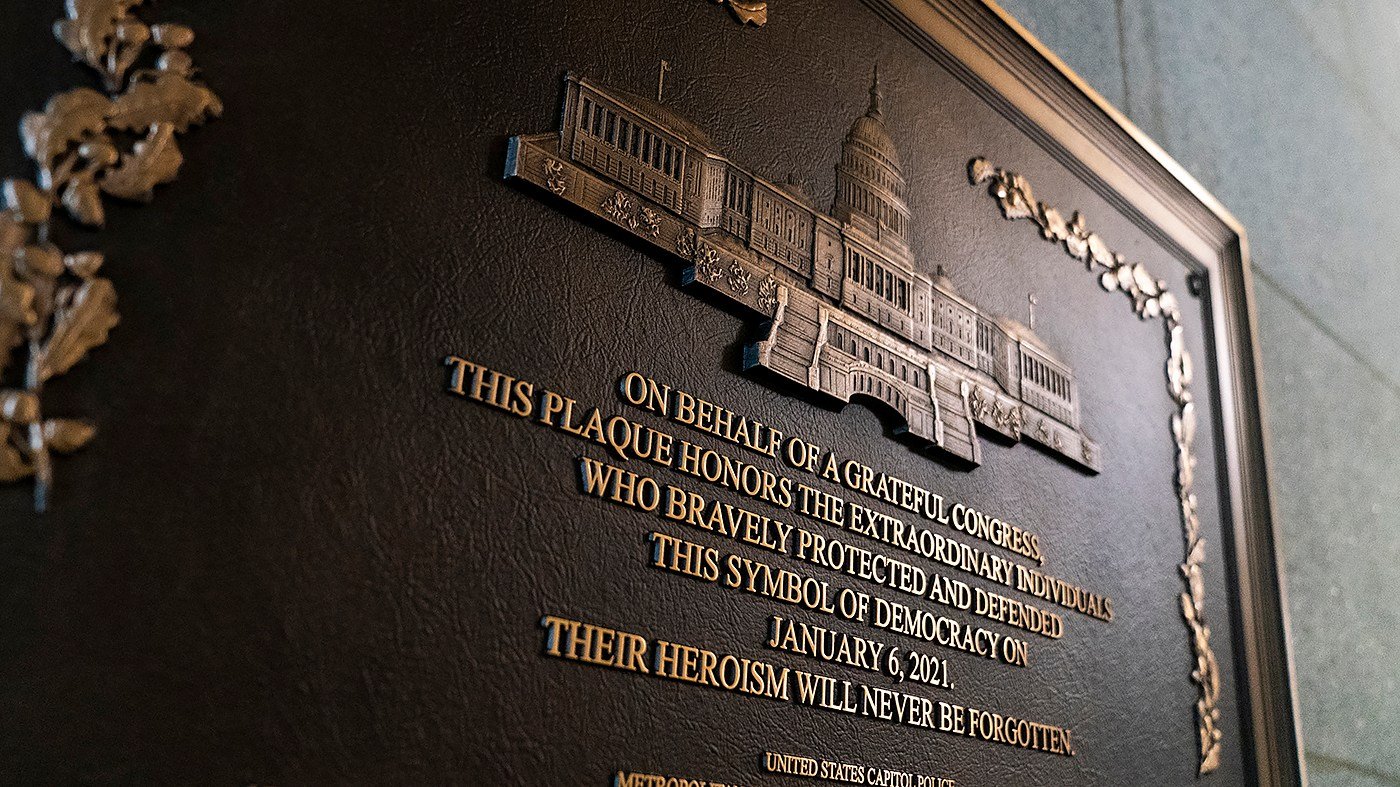
A federal judge on Wednesday dismissed a lawsuit filed by two police officers who defended the U.S. Capitol on Jan. 6, 2021, ruling that they lack the legal standing to challenge the omission of their names from a commemorative plaque honoring law enforcement's response to the attack.
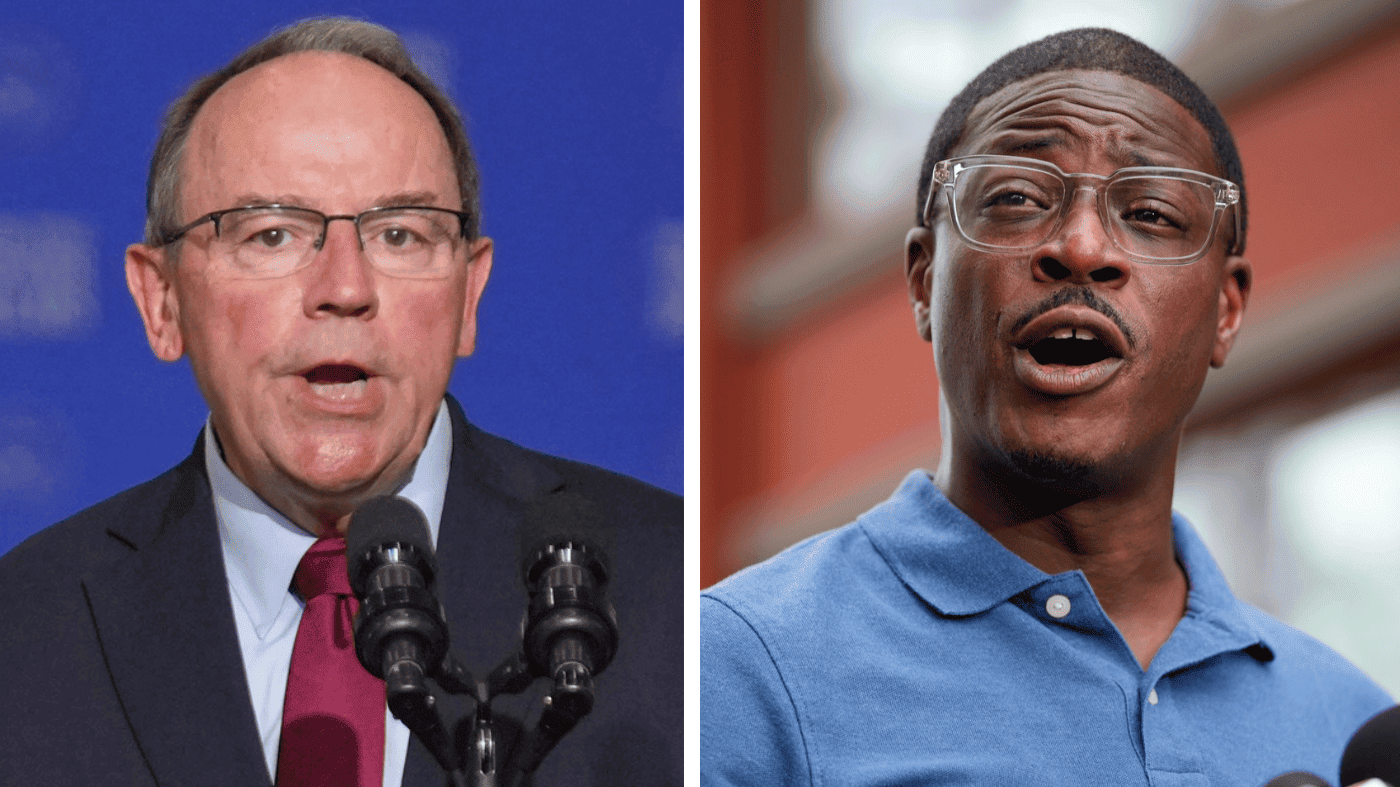
U.S. District Judge Dabney Friedrich, an appointee of President George W. Bush, granted the Architect of the Capitol's motion to dismiss the case brought by former U.S. Capitol Police officer Harry Dunn and active D.C. Metropolitan Police officer Daniel Hodges. The judge determined that the court lacked subject-matter jurisdiction because the officers did not suffer a concrete injury at the time they filed their complaint.
The officers had argued that the plaque—which lists only the law enforcement agencies and organizations that sent personnel to defend the Capitol, alongside a QR code that visitors can scan to access individual names—failed to properly honor their service. The plaque's text reads: "On behalf of a grateful Congress, this plaque honors the extraordinary individuals who bravely protected and defended this symbol of democracy on January 6, 2021. Their heroism will never be forgotten."
Originally planned for permanent display on the Capitol's western front, the plaque was temporarily placed in the non-public Senate wing as of March. The officers also contended that the delay in installing the plaque—which was required by a 2022 law signed by former President Biden, with a one-year deadline—exacerbated the "psychic injuries" they have suffered since the insurrection. They further argued that the failure to recognize individual officers emboldened others to harass them and disparage their response.
In her ruling, Friedrich acknowledged the officers' deep personal connection to the memorial. "To be sure, the officers have a far more personal connection to the plaque than the public at large," she wrote. "They are not 'just any person'... they are among the very officers Congress sought to honor. That gives them an understandable and deeply personal interest in whether the government recognizes their service in the manner Congress prescribed."
However, she emphasized that standing "is not measured by the intensity of the litigant's interest" but requires an "injury in fact." Even if the Architect's failure to install the plaque contributed to their injuries, Friedrich said, the officers would need to show that mandating its installation would be "likely" to alleviate those injuries.
The lawsuit was filed after the plaque was installed in March, following a years-long delay. Dunn and Hodges separately sued the Architect of the Capitol to have the memorial "prominently displayed" in a "publicly accessible" area, arguing that its placement in the Senate wing effectively hid it from public view.
The ruling marks a setback for the officers, who have been vocal advocates for accountability related to the Jan. 6 attack. Earlier this year, a Texas man was arrested over an alleged Capitol attack plot, underscoring ongoing security concerns. The case also highlights broader debates over how the government recognizes the service of those who defended the Capitol, a topic that has drawn attention amid concerns about political pressure on federal judges.
Friedrich's decision does not address the merits of the officers' claims but rather their ability to bring the suit in the first place. The officers have not indicated whether they will appeal.