A federal judge in Washington, D.C., has permanently closed the case against former Olympic canoeist David Hearn, ruling that the Department of Justice cannot revive the prosecution in the future. Superior Court Judge Todd Edelman dismissed the charges with prejudice on Thursday, citing the "unique possibility" that the government might bow to political pressure from President Trump.
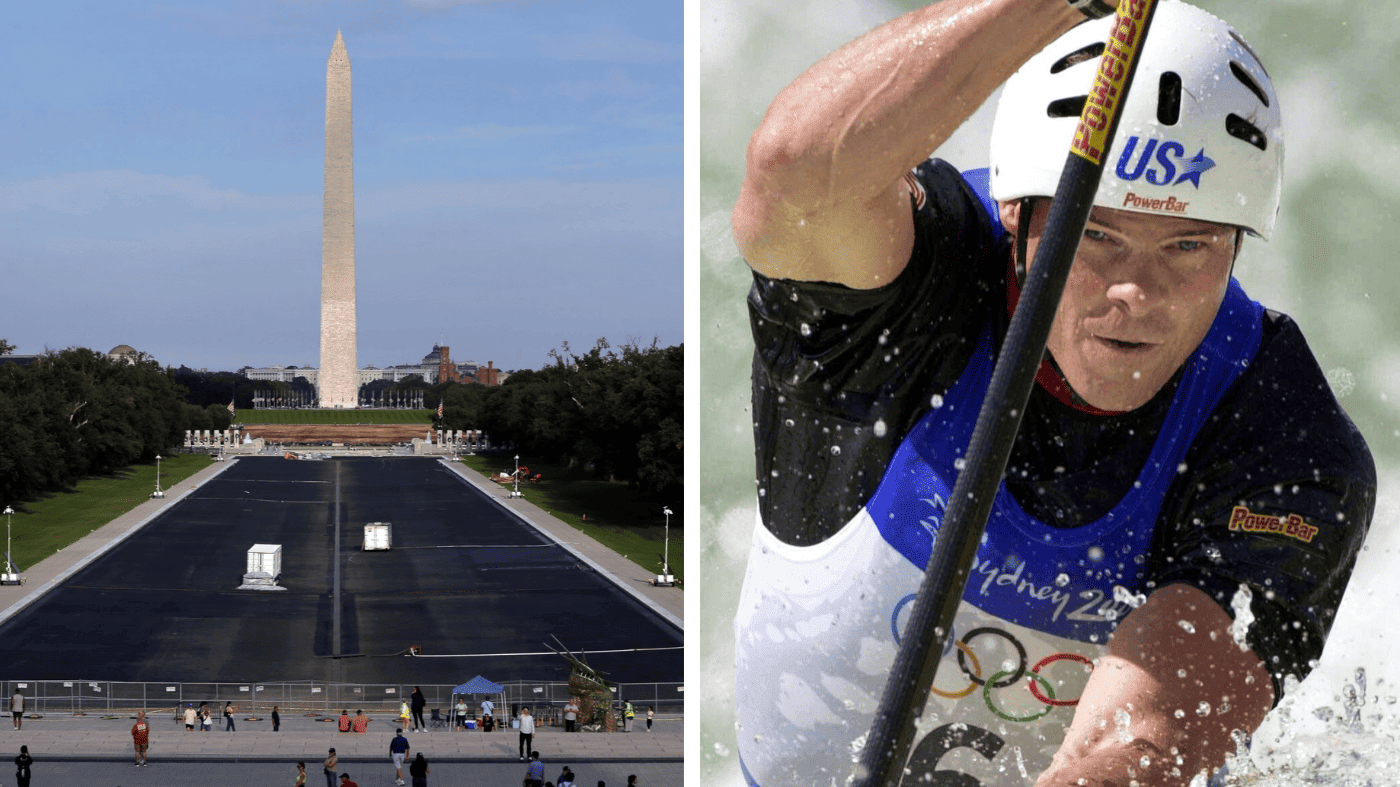
Edelman's 26-page order rejected the DOJ's request to keep the option open for recharging Hearn, who had been accused of damaging the Lincoln Memorial Reflecting Pool. The judge wrote that dismissing without prejudice would leave Hearn in an "acutely vulnerable position" and exposed to the whims of a president who had publicly urged prosecutors to reconsider their decision.

Hearn was initially charged with felony destruction of property for allegedly ripping a piece of sealant from the pool. However, U.S. Attorney Jeanine Pirro backed away from the prosecution in late July after determining that a rushed and botched installation was likely responsible for the damage. Edelman granted that dismissal in early August but deferred the question of whether the case could be reopened later.
Hearn's attorneys had pushed for a full dismissal with prejudice, arguing that the government should not be allowed to hold the threat of prosecution over their client indefinitely. In a statement Thursday, they called the ruling "a victory for the rule of law and for an innocent American seeking justice."
The case had become a flashpoint in the political battle between Trump and his own Justice Department. Trump publicly berated Pirro, telling reporters in the Oval Office on Aug. 3 that she "folded like an umbrella" and "choked." He also attacked Hearn personally, pointing to his past donations to Democrats and criticizing his attorney, Norm Eisen.
During a hearing last month, Edelman pressed DOJ lawyers to explain how Trump's comments could be seen as anything other than pressure to recharge Hearn with a case they had already deemed meritless. The government's lawyers conceded they had no new evidence but wanted to preserve the option if any emerged.
Edelman rejected that reasoning, writing that allowing the government to reinitiate prosecution would expose Hearn to the risk of being charged again due to pressure from the president, apparently motivated in part by Hearn's political views. The judge emphasized that while he respects prosecutorial discretion, the exceptional circumstances here required a definitive end to the matter.
The ruling marks a rare judicial rebuke of the administration's handling of a politically sensitive case. It also highlights broader concerns about the independence of the Justice Department under Trump, a topic that has drawn scrutiny in other contexts, such as the DOJ's push for sanctions against judges in unrelated proceedings.
Hearn, a two-time Olympian, had maintained his innocence throughout the ordeal. His legal team celebrated the outcome, while legal analysts noted that the decision could serve as a check on executive overreach in prosecutorial decisions.
The case is now closed, but its implications may linger as courts continue to weigh the limits of presidential influence over federal prosecutions.