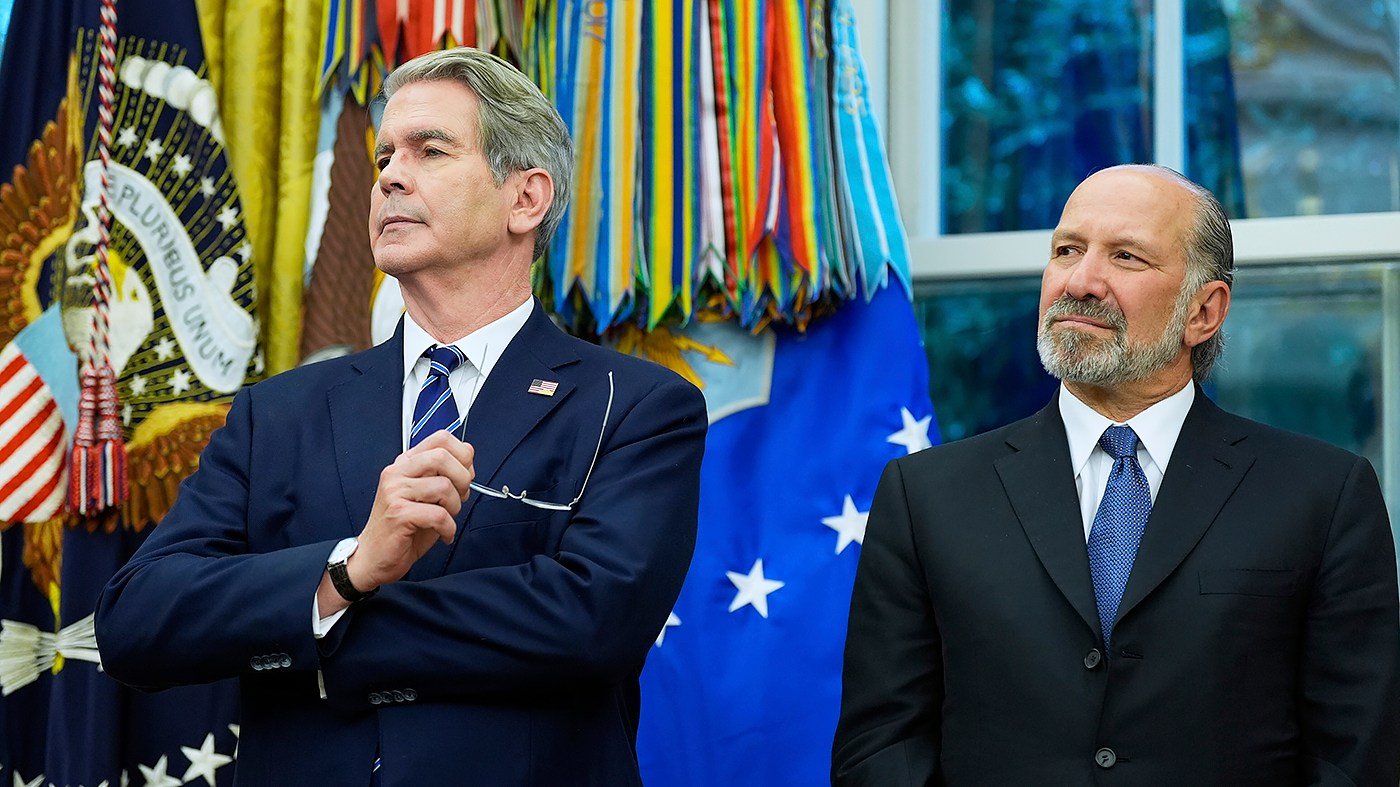
Washington is turning up the heat on Commerce Secretary Howard Lutnick over his handling of AI chip export controls, with Treasury Secretary Scott Bessent openly blaming him for failing to blacklist a Singaporean firm tied to China. The dispute has erupted into public view as Congress prepares to question Lutnick about his role in the Nvidia-Megaspeed affair.
Bessent said on CNBC's "Squawk Box" that multiple agencies, including Treasury, the Pentagon, the U.S. Trade Representative, and State, had pushed for months to add Megaspeed to the Commerce Department's Entity List, which flags companies posing national security risks. But he stressed that "Commerce has the pen"—meaning the Bureau of Industry and Security (BIS) holds the authority to designate such firms.
According to Axios, Bessent confronted Lutnick last week over the omission, and Lutnick said he would "look into it." Reports indicate Lutnick has been bypassing other administration officials who wanted tougher action on Megaspeed, which is at the center of the scandal that led to Nvidia CEO Jensen Huang's resignation on Thursday.
Huang admitted to an extramarital affair with Alice Huang, a former Megaspeed executive whom U.S. intelligence suspects may be a Chinese spy, as reported by the New York Times on Oct. 29. It remains unclear when President Trump or Commerce officials learned of these suspicions, but Bessent's comments suggest the administration was aware of the risks.
Lawmakers from both parties are demanding answers. Senate Banking Committee Chairman Tim Scott (R-S.C.) has scheduled a Dec. 10 hearing and wrote to Lutnick that "recent developments underscore the significant national security and economic interests at stake." Democratic Sen. Chris Coons (D-Del.) accused Lutnick of letting "the American people down" and putting national security "at risk" by allowing Megaspeed to receive advanced chips.
Marshall Billingslea, a former Treasury official, called it "quite unusual" for Bessent to air such sensitive Cabinet disagreements publicly. He praised Bessent and Secretary of State Marco Rubio for being "consistently right" on the issue, while suggesting Lutnick "ran roughshod over everyone." Billingslea even speculated whether Lutnick might be "on his way out."
Beacon Policy Advisors suggested in a research note that Lutnick could take the fall, or the administration might push out a lower-ranking official like BIS head Jeffrey Kessler, who lacks Lutnick's personal relationship with Trump.
Earlier this week, the NYT reported that Commerce paused its investigation into Megaspeed for allegedly smuggling Nvidia chips to China and handed the probe to the Justice Department, citing concerns about Kessler's handling. Neither agency confirmed the move, and DOJ declined to comment.
Huang had lobbied the Trump administration to loosen export controls, successfully securing approval last year to sell advanced H200 chips to Beijing. Now, top Democrats are pressing Lutnick to preserve records on that decision. Sen. Ron Wyden (D-Ore.) and Rep. Richard Neal (D-Mass.) wrote that "there appears to be a profound lack of due diligence in Commerce's process for approving these Chinese buyers."
Beyond Lutnick's fate, analysts expect policy changes as national security concerns intensify. The blame game between Treasury and Commerce is likely to shape upcoming export control reforms. Meanwhile, tech industry leaders warn Nvidia could lose key clients following Huang's departure. Congress is also set to question Lutnick as part of broader probes into the affair.