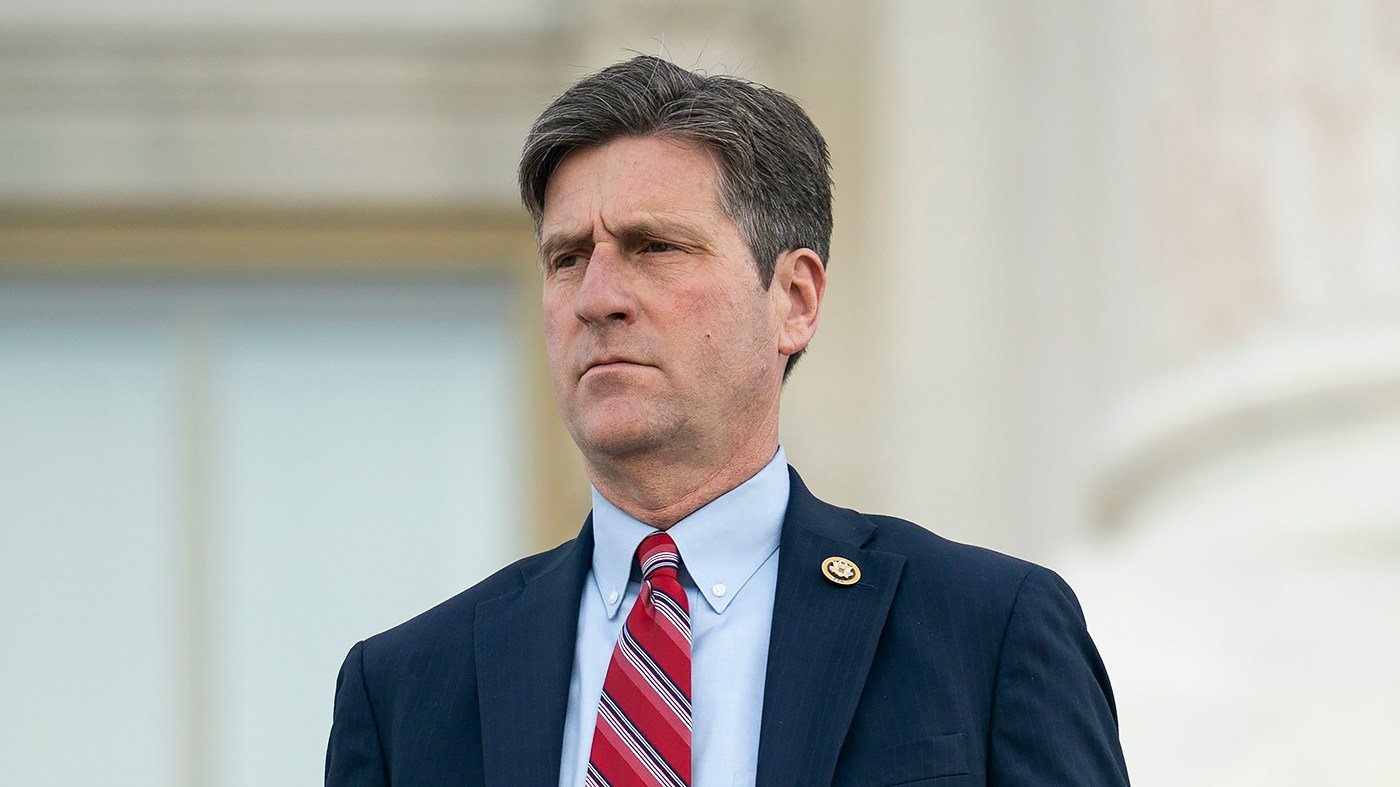
Rep. Greg Stanton (D-Ariz.) said Sunday that Democrats will leverage Congress's control over federal spending to reshape U.S. foreign policy, particularly regarding Russia and Iran, as the party prepares to take the majority in the next Congress.
Appearing on The Hill Sunday, Stanton was asked by host Chris Stirewalt whether it would be appropriate to use the power of the purse—even to the point of forcing a government shutdown—to pressure President Trump into reversing his waiver of Russian sanctions or ending military action against Iran.
Stanton responded that Congress had already acted in a bipartisan manner by passing the Lindsey Graham sanctions bill, named after the late South Carolina senator, but that the president had unilaterally declined to enforce it. He argued that lawmakers are an equal branch of government and should not be subservient to the White House.
“We should use the power of the purse to change American foreign policy,” Stanton said. “Now that the Democrats are going to be in the majority, you’re going to see American policy more supportive of Ukraine.”
The Arizona Democrat was referring to an executive order Trump issued in October that waived energy-related sanctions on Russia and its major oil buyers. Lawmakers had intended those sanctions to restrict Russian President Vladimir Putin’s ability to finance the war in Ukraine. Stanton accused Trump of “changing sides” and becoming more supportive of Putin, while criticizing Republicans who had previously backed Ukraine for staying silent.
“Too many Republican members of Congress who did support Ukraine stayed silent as he made that change,” Stanton said. “Now that we’re in the majority, you’re going to see a significant change in funding priorities from the United States Congress.”
The remarks come as Congress faces a December 11 budget deadline. A group of Democratic senators—including Michael Bennet of Colorado, Bernie Sanders of Vermont, Chris Van Hollen of Maryland, and Tammy Duckworth of Illinois—have already said they will oppose any short-term spending measure that does not include language barring the Trump administration from using appropriated funds to continue military operations against Iran.
Trump has defended his sanctions waiver, writing on Truth Social that enforcing the penalties would have brought Russian hostage negotiations to a “complete and total halt.” He also said the United States “was not required to give anything in return” for the release of Stephen Hubbard, an American citizen who had been detained in Russia.
The clash over spending powers is expected to be a central flashpoint as Democrats assume control of the House and seek to reassert congressional authority over foreign policy. The party’s broader agenda is already taking shape, with leadership elections underway and investigations into the administration likely to intensify. At the same time, some Democrats are pushing for domestic priorities like Medicare expansion, while others warn against internal feuds that could distract from voters’ demands for change.
With the government funding deadline looming, the coming weeks will test whether Democrats can turn their spending authority into concrete policy shifts on the international stage.