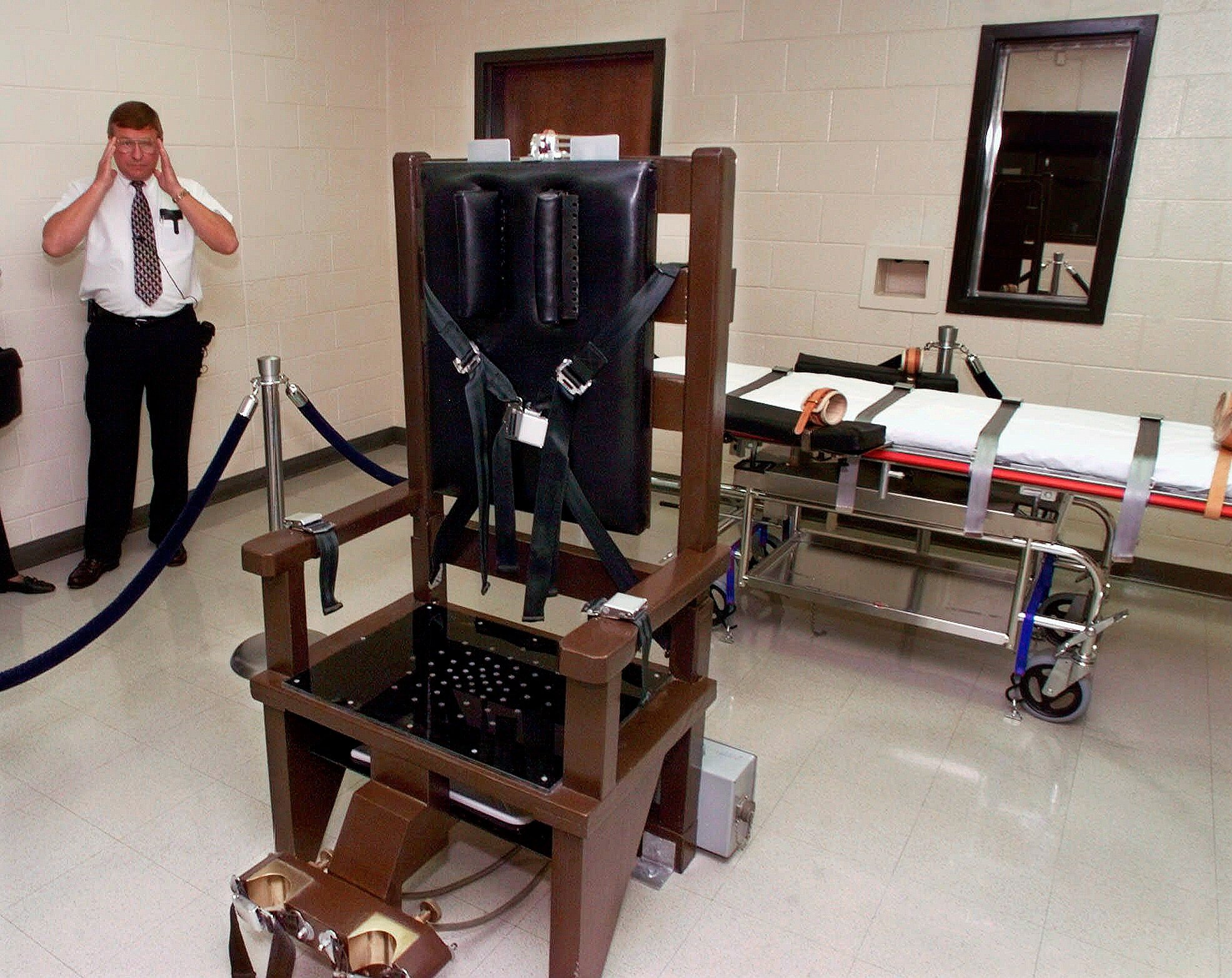
Tennessee's attempt to execute death row inmate Christa Pike on Wednesday night failed after medical staff were unable to administer the lethal drugs properly, marking the state's second botched lethal injection this year. Pike, the only woman on Tennessee's death row, was transported to an off-site medical facility for treatment after the procedure was called off.
Governor Bill Lee announced that the state's remaining scheduled execution for 2026 has been postponed and ordered an independent third-party review of the execution process. Pike's attorneys said they have not been informed of her current condition.

The failed execution comes just months after the state called off the lethal injection of Tony Carruthers, convicted of kidnapping and killing three people in 1994. In May, executioners spent over an hour trying to establish an IV line to administer pentobarbital before abandoning the attempt.
Carruthers' sister, Dr. Tonya Hervey, filed a complaint with the Tennessee Department of Health, alleging that the botched execution caused her brother serious injuries, including a possible stroke that left him partially paralyzed. She described him experiencing extreme pain and said he now drags his right leg and has lost use of his right hand, along with changes in balance, personality, and cognitive function.
The same physician involved in Carruthers' execution, Dr. Mark Walton Fowler, was also scheduled to participate in Pike's execution, according to NBC News. Hervey's complaint accuses Fowler of malpractice and torture, alleging he struggled to establish additional IV access during the procedure. The Tennessee Department of Corrections has declined to comment on whether Fowler was involved in Pike's execution or if his role changed after the Carruthers incident.
Pike's execution was set to be the first of a woman in Tennessee in more than 200 years. The state's pause on executions follows growing scrutiny of lethal injection protocols.
Governor Lee's decision to halt executions and order a review mirrors his earlier response to the Carruthers failure, when he temporarily suspended executions to assess the state's procedures. The latest incident is likely to intensify debates over the constitutionality of lethal injection as a method of capital punishment.
Legal experts note that the repeated failures highlight systemic issues with intravenous access, particularly in inmates with histories of drug use or other health complications. The state has not released details about Pike's medical status or the specific difficulties encountered during her attempted execution.
The Tennessee Department of Health said it reviews complaints like Hervey's, prioritizing them based on severity before sending them to regional offices for investigation. The outcome of these reviews could influence future litigation and legislative action on the death penalty in Tennessee.