Tennessee Governor Bill Lee has suspended all executions in the state following the failed lethal injection of death-row inmate Christa Pike on Wednesday. The Republican governor's order came after Pike, 50, survived two doses of the sedative pentobarbital, raising serious questions about the reliability of the state's execution protocol.
In a statement, Lee said, “Carrying out a lawfully imposed sentence is among the State’s most serious responsibilities, and the people of Tennessee expect it to be done in a manner that is not only legal and constitutional, but is effective.” He also announced a “comprehensive, third-party review to determine exactly what occurred,” and confirmed that no further executions would take place this year.
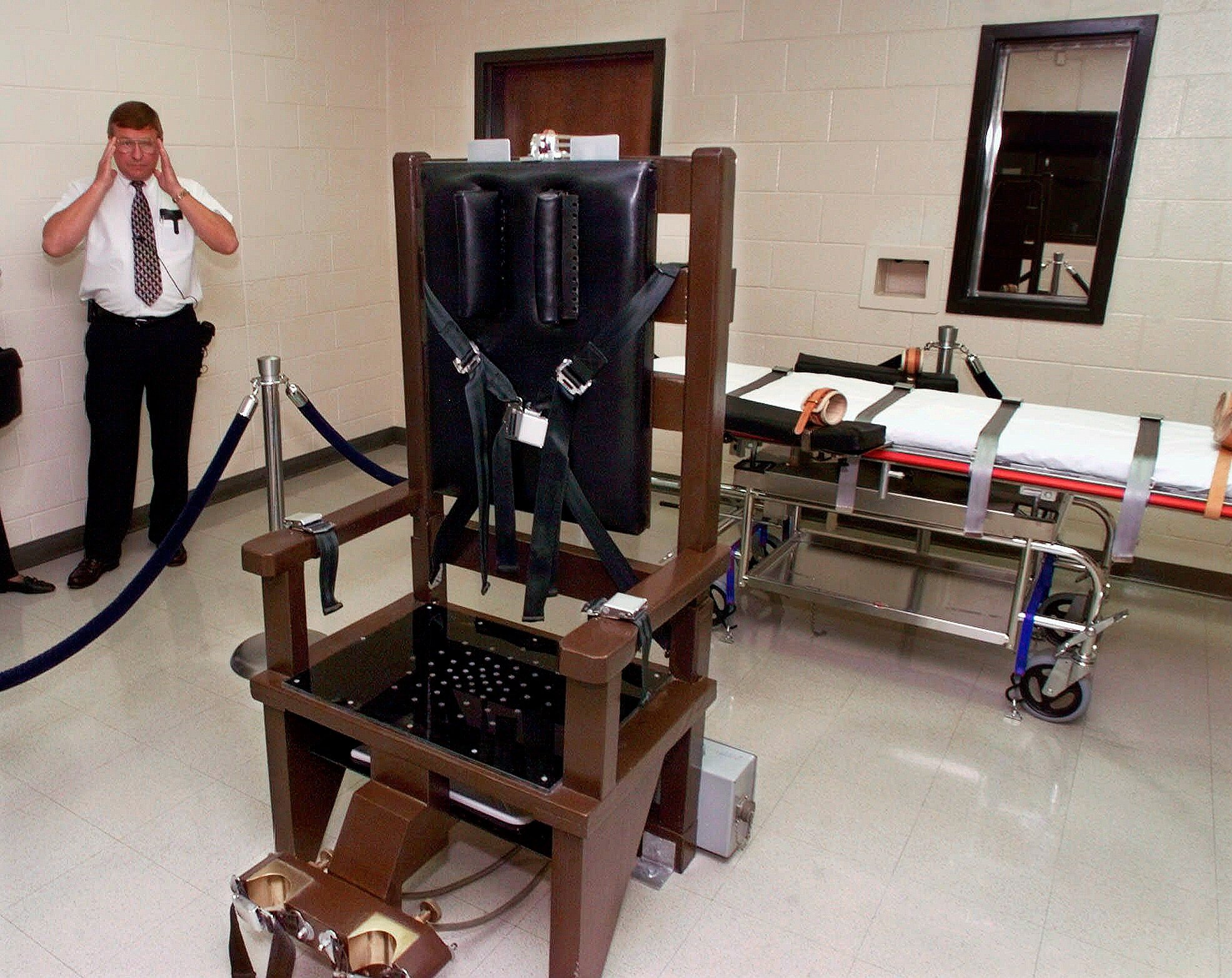
Pike, the only woman on Tennessee’s death row, was convicted of first-degree murder in 1996 for the brutal killing of 19-year-old Colleen Slemmer, a fellow employee at a Knoxville Jobs Corps Center. Prosecutors said Pike, motivated by jealousy, lured Slemmer to an abandoned steam plant near the University of Tennessee’s Institute of Agriculture Campus, where she and her then-boyfriend, Tadaryl Shipp, beat, tortured, and killed her.
Shipp, who was 17 at the time, received a life sentence with the possibility of parole. The case has drawn renewed attention as Tennessee prepared to carry out its first execution of a woman in over 200 years, a development that the Supreme Court had cleared just hours before the attempted execution.
The Tennessee Department of Corrections defended its actions, stating that it “followed every step” of the state’s “lawful, established protocol,” which had been approved by Attorney General Jonathan Skrmetti. The department noted that the lethal injection chemical “has consistently been effective,” but acknowledged that “the protocol does not allow for additional procedures beyond what was carried out this evening.”
According to the Associated Press, Pike was transported by ambulance to an “off-site medical facility” after she began snoring loudly following the injections. Her attorneys said they were not informed of her condition, raising concerns about transparency in the execution process.
Governor Lee’s decision to halt executions follows a pattern of scrutiny over lethal injection methods across the country. Earlier this year, Georgia Governor Brian Kemp temporarily suspended the state gas tax amid an energy crisis, but in Tennessee, the focus is squarely on the death penalty.
The review ordered by Lee will examine the events of Wednesday and assess whether the state’s execution protocol needs revision. The pause is a significant development in the ongoing debate over capital punishment, particularly as states grapple with the availability and efficacy of execution drugs.
Pike’s case has also highlighted the broader issues of gender and justice in the criminal system, with advocates pointing to her history of mental illness and trauma. The governor’s order effectively delays any further executions until the review is complete, leaving the future of Tennessee’s death penalty uncertain.