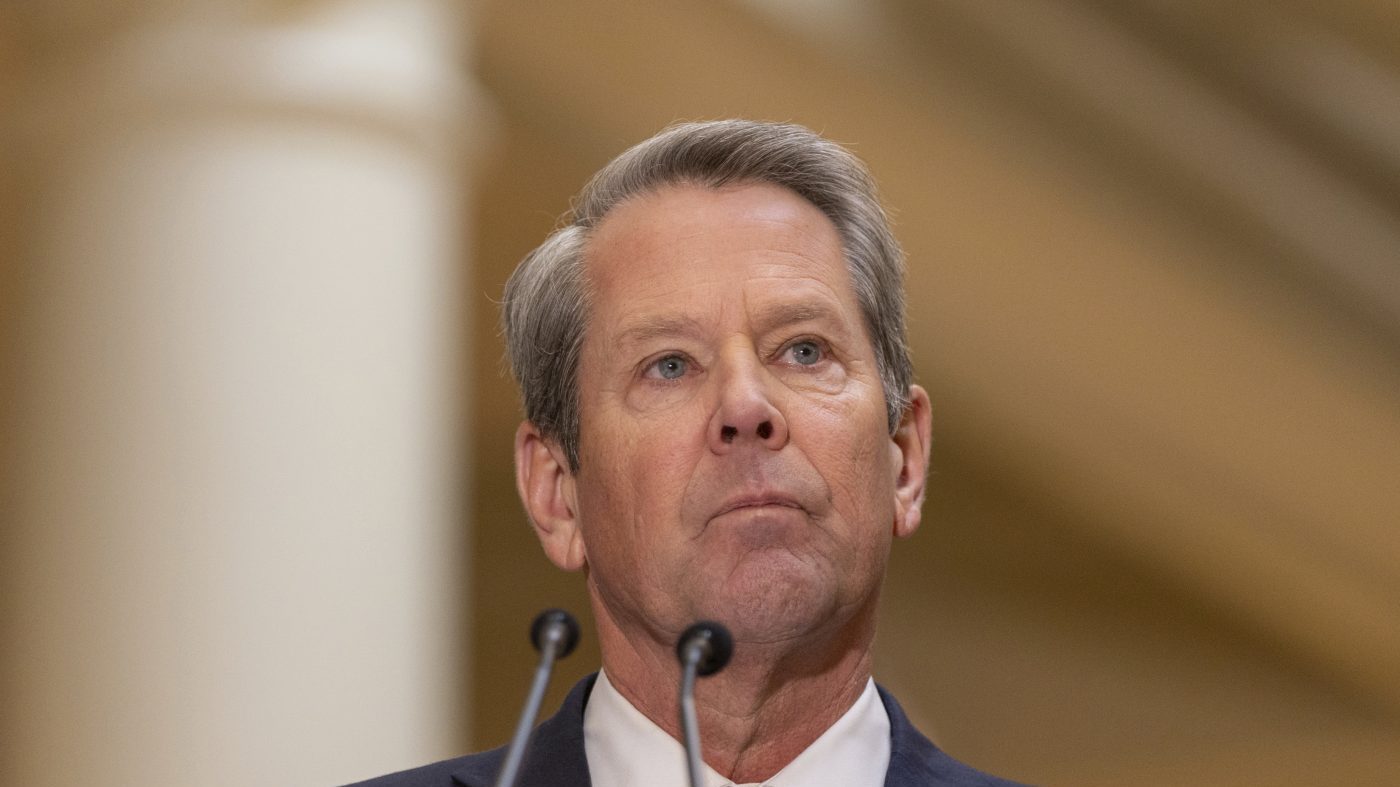
Georgia Governor Brian Kemp (R) signed an executive order on Monday to suspend the state's motor fuel excise tax for 30 days, a direct response to the sharp increase in gas prices triggered by the ongoing U.S.-Israeli conflict with Iran. The suspension takes effect at 12:01 a.m. EDT Tuesday and applies to both gasoline and diesel, removing 33.3 cents per gallon from gasoline and 37.3 cents per gallon from diesel.
The move is expected to cost the state approximately $200 million per month, though Kemp indicated that Georgia's budget surplus could cover the shortfall, as reported by the Atlanta Journal-Constitution. In addition to the tax holiday, the governor also lifted weight restrictions on commercial vehicles, a step aimed at reducing the cost of transporting goods across the state.
Kemp framed the decision as part of his ongoing commitment to providing financial relief to Georgians. "We've remained committed to helping them and our small businesses fight through the tough times, and that's why I'm taking this action today to give further relief," he said in a statement. The governor previously suspended the gas tax in March, with that suspension lasting through Memorial Day.
The executive order drew swift support from other Republican leaders, including Lieutenant Governor Burt Jones, House Speaker Jon Burns, and Agriculture Commissioner Tyler Harper. Harper emphasized the impact on farmers, noting that diesel prices have more than doubled in recent weeks, making the relief "immediate" for families and agricultural producers.
According to AAA, Georgia's average gas price currently stands at $4.19 per gallon, nearly 30 cents below the national average. Diesel in the state averages $6.35, about 20 cents less than the national figure. A year ago, Georgia's gas average was $2.88.
The price surge is largely attributed to Iran's shutdown of the Strait of Hormuz, a critical chokepoint for about 20% of global oil exports. This disruption has compounded existing inflationary pressures, with 60% of respondents in a recent Emerson College poll saying President Trump's economic policies are making the economy worse.
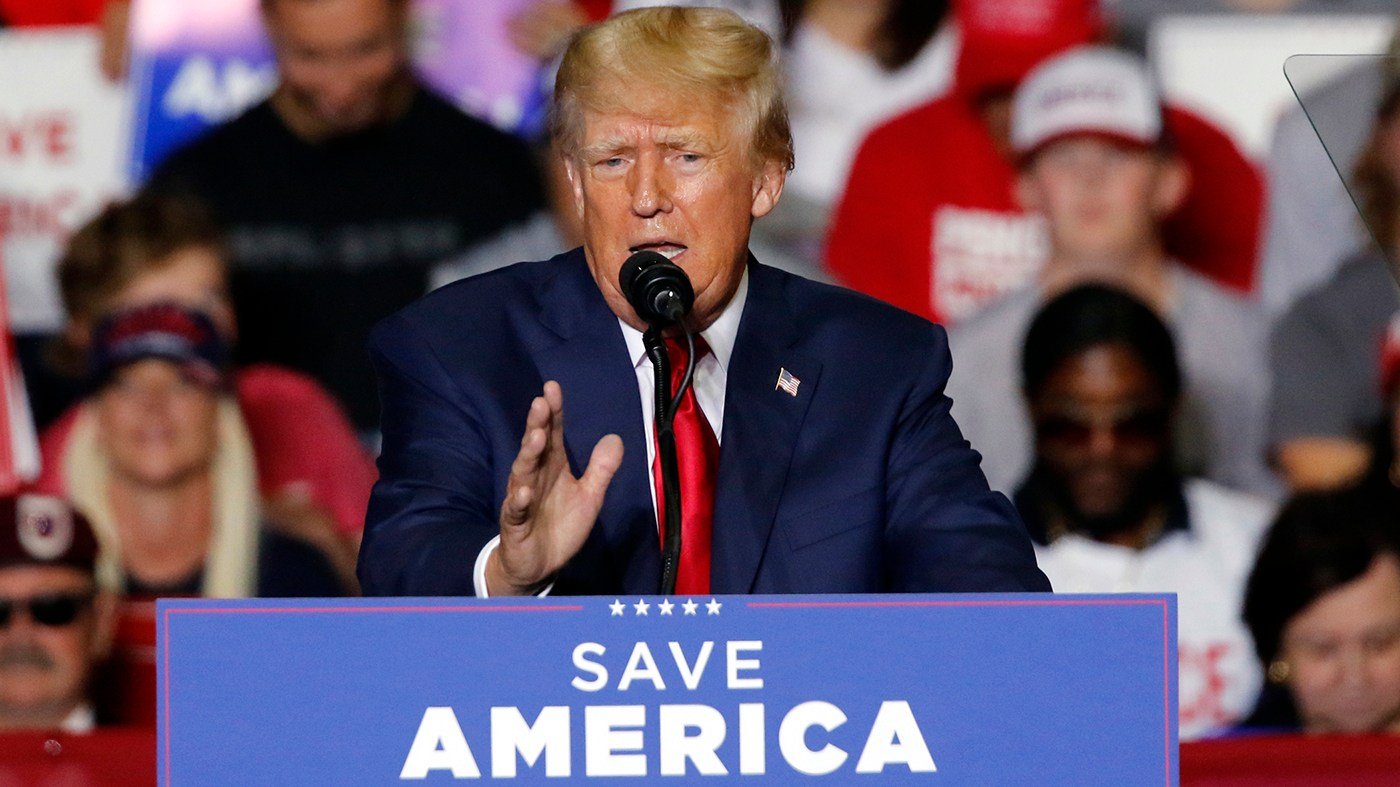
President Trump has downplayed the impact of rising fuel costs, but in March he released 172 million barrels from the Strategic Petroleum Reserve, leaving the stockpile below 300 million barrels—its lowest level since 1982. At a rally in North Carolina this month, Trump predicted that prices would "tumbling down" once the conflict ends, adding, "It's a very inexpensive price to pay for what we've done."
Kemp's action parallels similar moves in other states as lawmakers grapple with the economic fallout of the conflict. The suspension is set to last 30 days, but the governor could extend it if conditions warrant, as he did earlier this year.