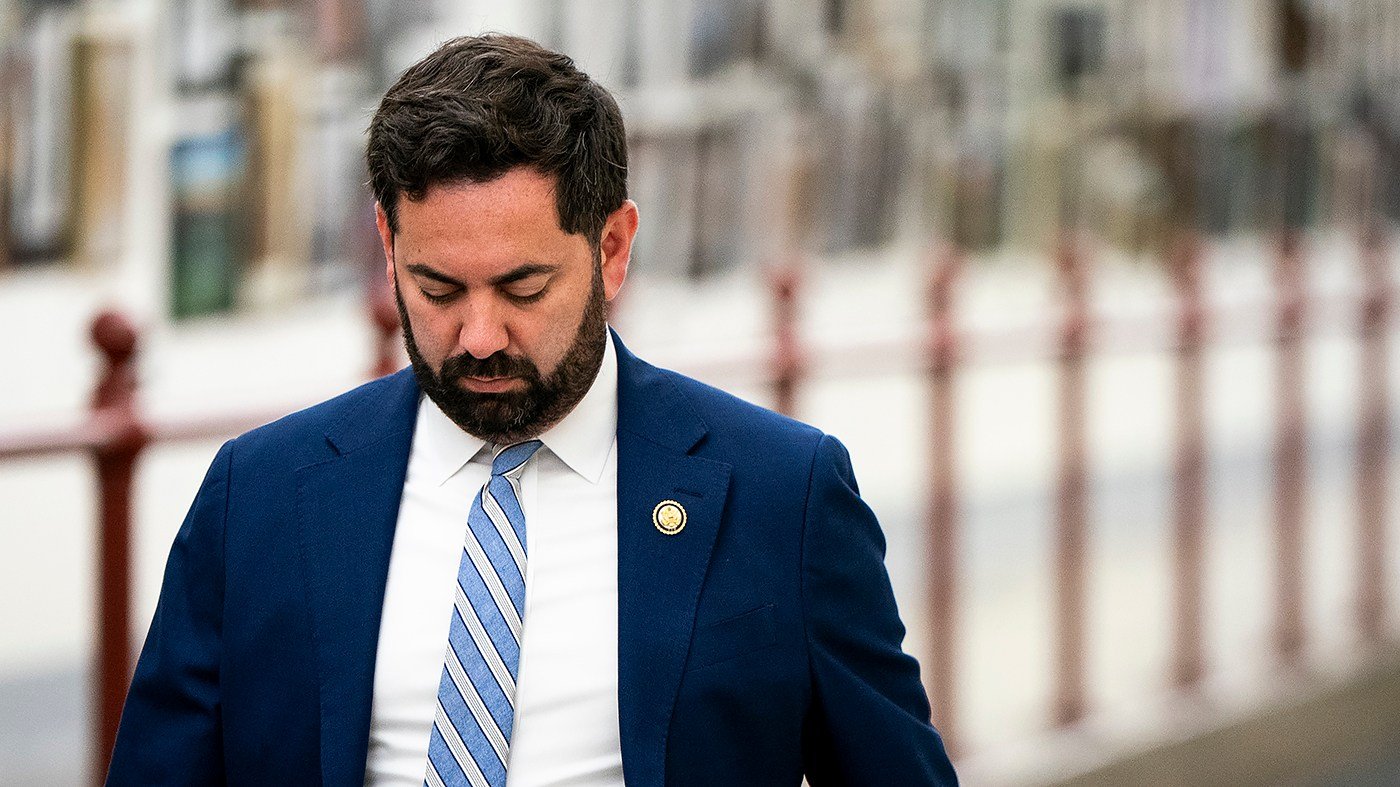
Rep. Mike Lawler (R-N.Y.) and Democratic challenger Cait Conley faced off in a contentious televised debate on Monday, trading sharp attacks over U.S. aid to Israel, economic policy, and the meaning of bipartisanship. The News 12 forum, moderated by senior political reporter Tara Rosenblum and featuring voter questions, showcased the high stakes in a district rated as a toss-up by the nonpartisan Cook Political Report.
Lawler leaned heavily on his congressional record, touting the One Big Beautiful Bill Act—rebranded by Republicans as the Working Families Tax Cuts Act—as a key achievement. Conley countered by focusing on her priorities for the district, arguing that Lawler's votes have hurt local families, particularly on the issue of tariffs.
The sharpest exchange came over Israel. When asked whether American taxpayers should continue funding Israel even if it seeks to reduce its reliance on U.S. assistance, Lawler insisted the aid serves U.S. interests, especially for American troops in the region. He flatly rejected accusations of genocide, saying, "They have not committed a genocide. Let's be very clear about that." Lawler then accused some Democrats of wavering in their support for Israel due to what he called the "radical antisemitic base of support within their party."
Lawler specifically criticized New York City Mayor Zohran Mamdani, a Democrat, saying, "I don't respect his position on Israel. I don't respect where the Democratic Party is going when it comes to supporting our greatest ally in the region." Conley responded by condemning antisemitism "within both political parties," which prompted Lawler to repeatedly press her on whether she backs Mamdani. Conley turned the tables, asking Lawler if he has denounced President Trump and asserting that he votes with Trump 100 percent of the time.
Lawler pushed back, saying, "I have not voted with Donald Trump 100 percent of the time. What I've done is actually do my job, which is to represent my constituents and actually work in a bipartisan way." He cited endorsements and friendships across the aisle, including from Democratic Rep. Jared Golden of Maine and his close relationship with Rep. Josh Gottheimer of New Jersey. Lawler then challenged Conley: "How are you going to engage in bipartisanship when you call Republicans the greatest threat to America?"
The debate also featured a fiery clash over tariffs. Conley attacked the Trump administration's tariffs, which Lawler has supported, arguing they have been "absolutely reckless" and have jacked up prices for Hudson Valley households by $4,200. "Families deserve better," she said, pointing to Lawler's eight votes in favor of tariffs.
Lawler defended tariffs as a necessary tool for fair trade, citing Europe's prescription drug pricing and claiming tariffs forced a 3 percent drop in drug prices—the largest decline in 60 years. He also argued that tariffs have pressured China to change its trade practices and invest in the U.S. "Tariffs as a tool to force fair trade is critical," he said.
The debate highlighted broader national themes, including the Democratic push for 2026 midterm gains, and the ongoing controversy over Gaza and free speech. It also underscored the deep partisan divides over economic policy, with Democrats focusing on the impact of tariffs on working families, while Republicans emphasize their legislative wins.
As the race heats up, both candidates are likely to continue hammering these themes on the campaign trail. Lawler's seat remains a top Democratic target, and the debate performance could play a role in shaping voter perceptions in the final stretch.