With five weeks until the 2026 midterms, the political landscape has shifted dramatically. National polling shows Democrats with a significant advantage on the generic congressional ballot, and independent voters — long the decisive bloc in American elections — are siding with Democrats by wide margins. The latest PBS/NPR/Marist survey puts Democratic preference at 53 percent versus 41 percent for Republicans, a 12-point gap. Emerson College's poll found nearly identical numbers, with independents favoring Democrats by 29 points, while Marist shows a 25-point independent gap.
The RealClearPolitics average of all major polls now gives Democrats a 9-point lead on the generic ballot. That is even stronger than the 7-point edge Democrats held at this stage in 2018, the last cycle that produced a blue wave. While a repeat of the 41-seat gain is unlikely due to redistricting that has reduced competitive districts, Democrats are well positioned to capture the few seats they need for a House majority.

Senate: A Tougher Climb
The Senate map remains more challenging for Democrats, but the fact that they have a plausible path at all underscores Republican vulnerabilities. To take control, Democrats would need to win in Maine, Michigan, and Texas, plus one of Alaska, Ohio, or Iowa — assuming no Republican flips. Each of those races is highly competitive, and the national environment is making GOP incumbents uneasy.
In Maine, Republican Sen. Susan Collins remains a formidable candidate. A recent New York Times/Siena poll shows Collins leading Democratic challenger Troy Jackson by 3 points, 49 to 46. But Collins only leads among independents by 6 points, and the RealClearPolitics average has the race in a dead heat. Collins's personal brand provides some insulation, but even she is not safe in this environment.
Michigan is perhaps the most contentious. Democrat Abdul El-Sayed holds a narrow average lead of under 3 points, and Cook Political Report rates it a toss-up. El-Sayed's progressive record gives Republicans an opening, but Michigan has trended Democratic in recent statewide elections. The burden is on Republican Mike Rogers to separate himself from an unpopular administration without alienating Trump's base.
Texas: A Surprising Battleground
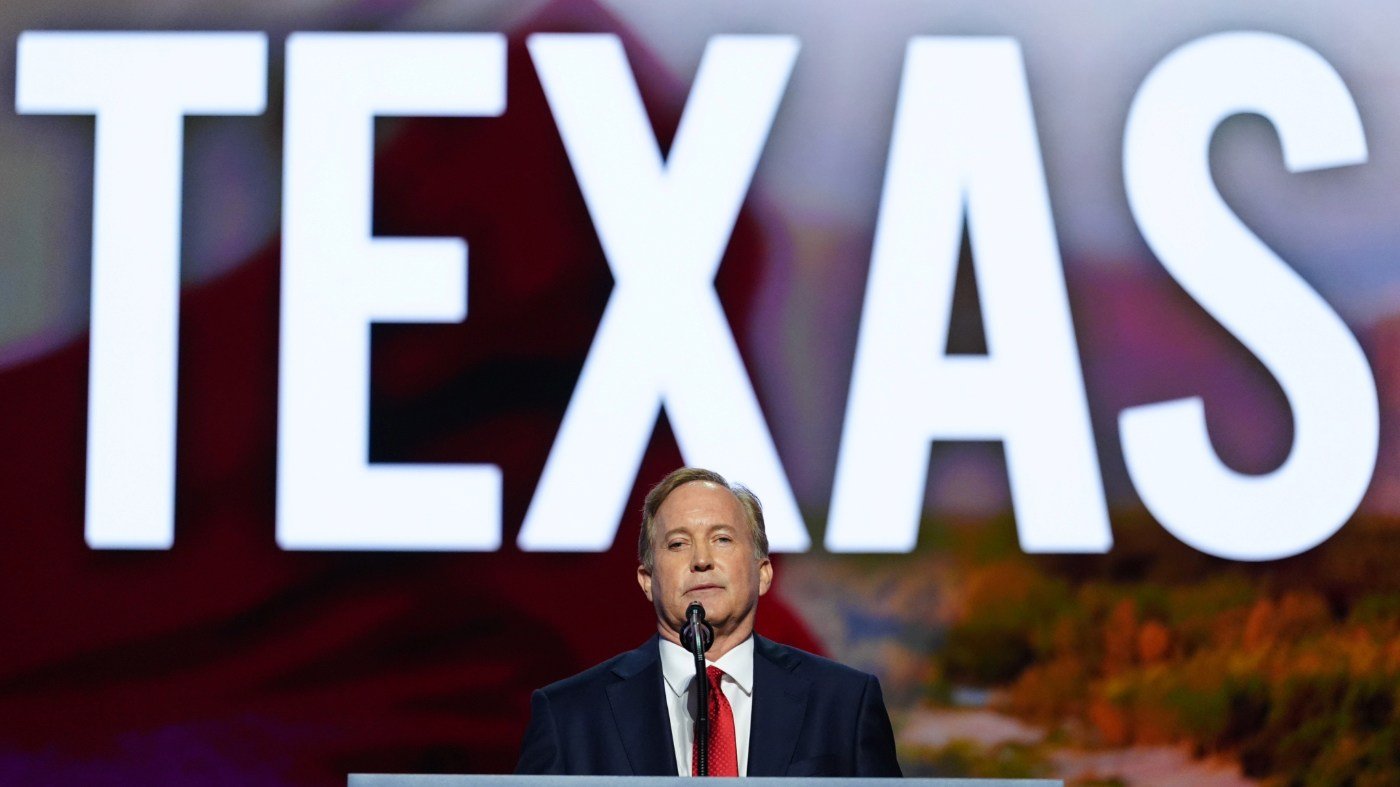
Texas, which hasn't elected a Democrat to the Senate since 1993, has become a surprising battleground. President Trump helped engineer incumbent John Cornyn's primary defeat by Ken Paxton, a more polarizing and less popular nominee. In the last 10 Texas polls, Democrat James Talarico leads in nine, with one tie. His average advantage is within the margin of error, but the trend is significant.
Talarico has focused on affordability and presented himself as a pragmatic new-generation leader. According to Marist polling, 39 percent of Texas voters say their Senate vote is primarily a vote against Trump. With Trump's approval rating at 21 points underwater nationally, that intensity could make a difference in a close race.
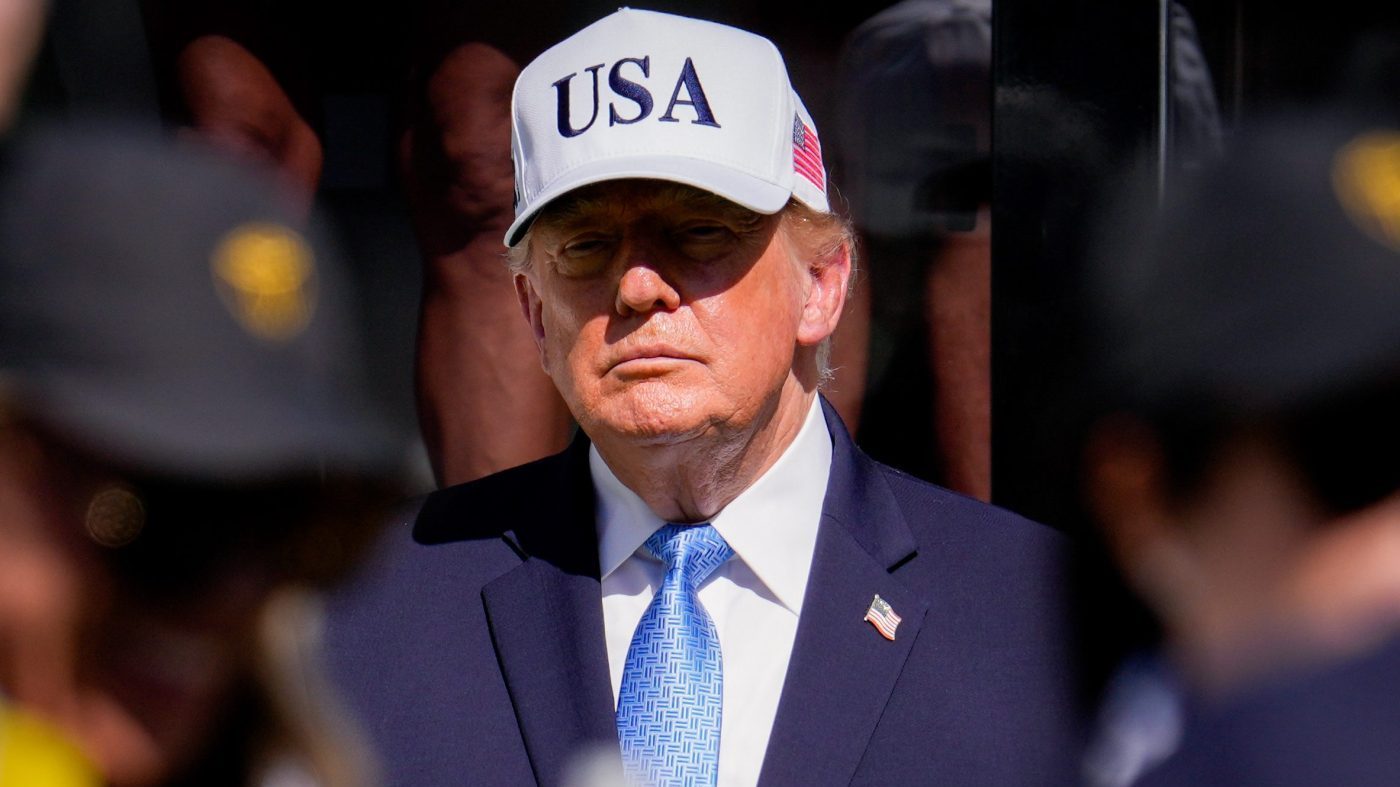
Republican candidates are clearly aware of the danger. Last week, Rogers and Sen. Jon Husted of Ohio — who is facing a tough challenge from former Sen. Sherrod Brown — publicly broke with Trump by calling for an end to the Iran war. Such moves, just weeks after Trump urged Republicans to run as if he were on the ballot, suggest vulnerable incumbents believe their best chance is to create distance from the president.
Expanding the Map
Republicans are also defending territory that usually gets little attention. Cook Political Report recently shifted South Carolina and Kansas one notch toward Democrats, though both remain likely GOP holds. The Iran war's effect on diesel prices is weighing on agriculture-heavy states, as voters grow tired of high fuel costs. Alaska, Ohio, and Iowa are rated toss-ups by Cook.
The broader story is clear: voters are dissatisfied with Republican governance, skeptical of Trump, and increasingly willing to consider Democratic alternatives — even in places that once seemed out of reach. Democrats have momentum and a credible path to a broader victory, but they must keep the election focused on affordability, competence, and checks on Trump. The most likely outcome remains split control of Congress, but with five weeks left, the opportunity is there.