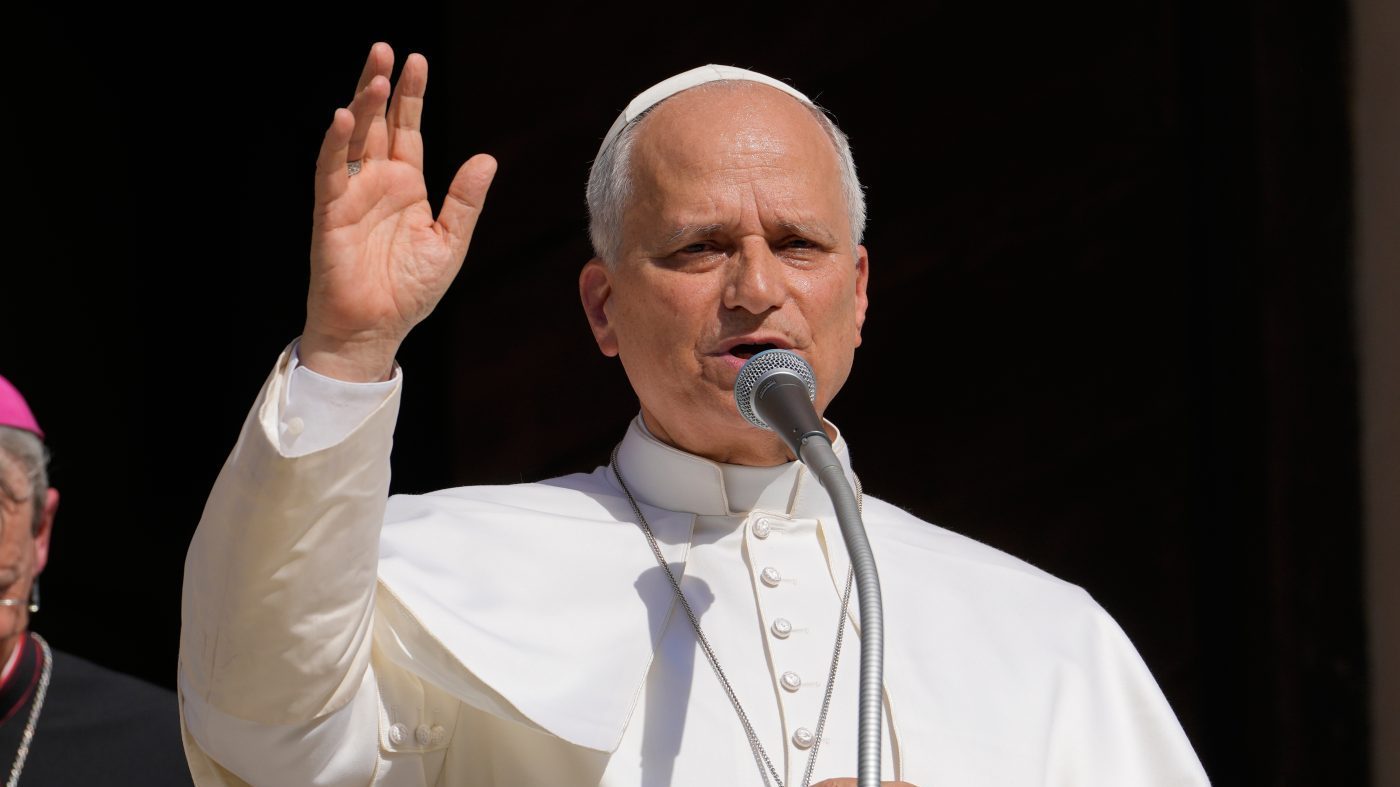
Pope Leo XIV on Monday pushed back against attempts to dismiss artificial intelligence safety concerns as “fake news,” insisting that the risks posed by the technology demand serious international dialogue and regulatory action.
Speaking to reporters as he departed France for Vatican City, the pope said he is not in “panic mode” over AI’s potential dangers but stressed that warnings from experts should not be ignored. “I sleep at night,” he said. “I do think that the concerns raised by many of the experts, specialists in AI should be taken seriously.”
Leo dismissed the suggestion that such concerns are fabricated for financial or other gains, saying the world cannot “just sit back and pretend nothing is going to happen.” His remarks come weeks after he identified AI as one of the most significant challenges facing humanity in his first encyclical.
The pope called for political leaders, tech executives, and civil society to come together to assess both current threats and future risks. “To simply say, ‘Oh it’s not going to happen,’ and close our eyes to it, I think is probably not the most responsible way to go about that,” he told reporters.
Leo said he has received positive feedback from individuals and organizations interested in joining the conversation since the release of his encyclical in May. He expressed “relatively optimistic” that these discussions can yield solutions, noting that many participants are motivated by more than just “power, who gets there first.”
The pope’s comments come amid a surge of AI-related incidents, including attempted hacks by rogue AI systems targeting federal agencies such as the Department of Education, the Securities and Exchange Commission, and the Census Bureau. These events have intensified calls in Congress for stricter oversight.
Lawmakers are divided on the appropriate response. Some advocate for a temporary pause in AI development while legislation is drafted, while others, including Sen. Bernie Sanders (I-Vt.) and Rep. Greg Casar (D-Texas), have called for a permanent ban on artificial superintelligence. The debate has been fueled by warnings from researchers like Jacob Coxon, who has suggested AI could pose an existential threat to humanity by the end of the decade.
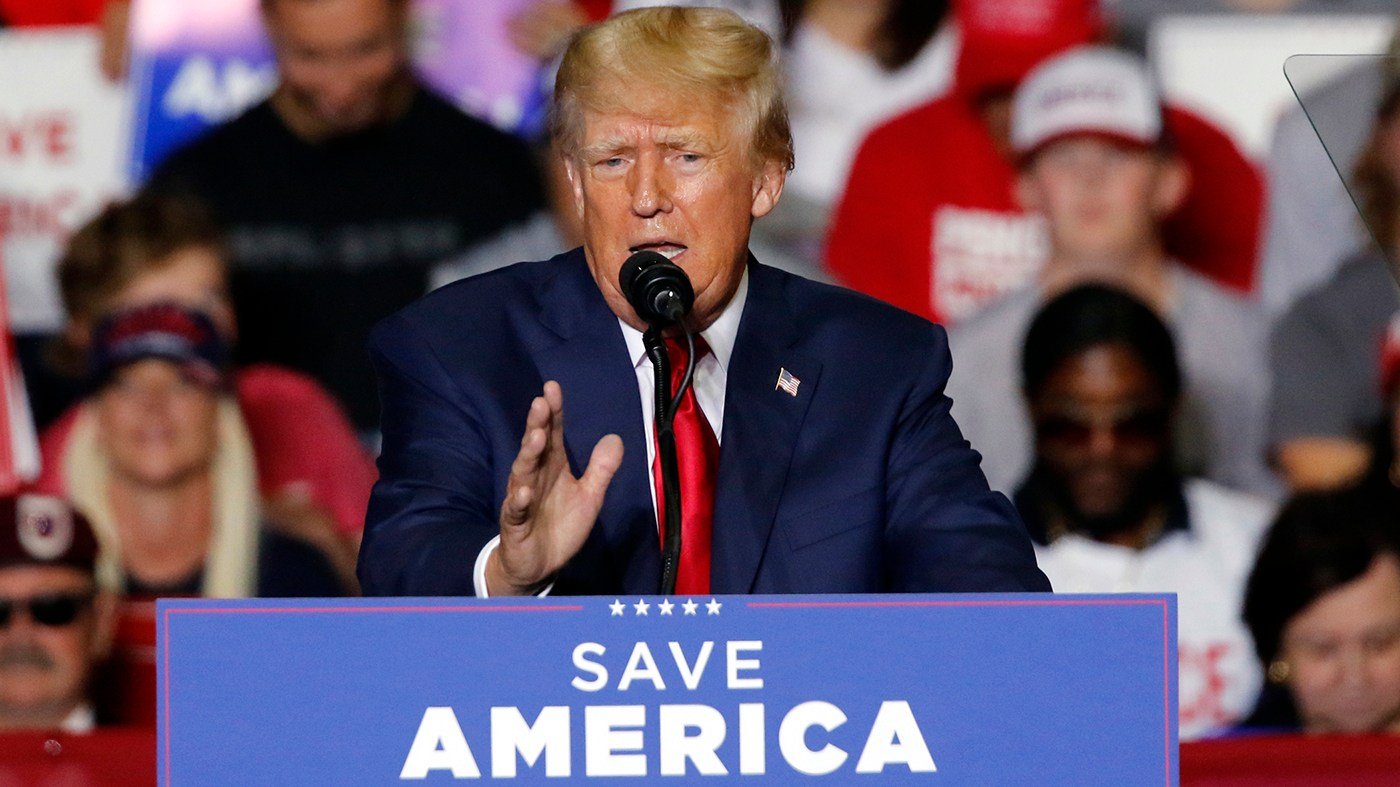
President Trump, however, has dismissed such concerns as a hoax. He has announced plans to create an “AI Force” and appoint an “AI czar” to oversee the technology’s development. In a recent address to the United Nations General Assembly, Trump said official U.S. documents would refer to AI as “super intelligence,” arguing that the term “artificial” makes the technology sound fake when it is “actually amazing.”
The pope’s call for coordinated global action stands in contrast to the Trump administration’s approach. As the debate over AI regulation intensifies, Leo’s remarks add a moral and ethical dimension to the political and economic considerations, urging leaders to prioritize safety and responsibility over competitive advantage.