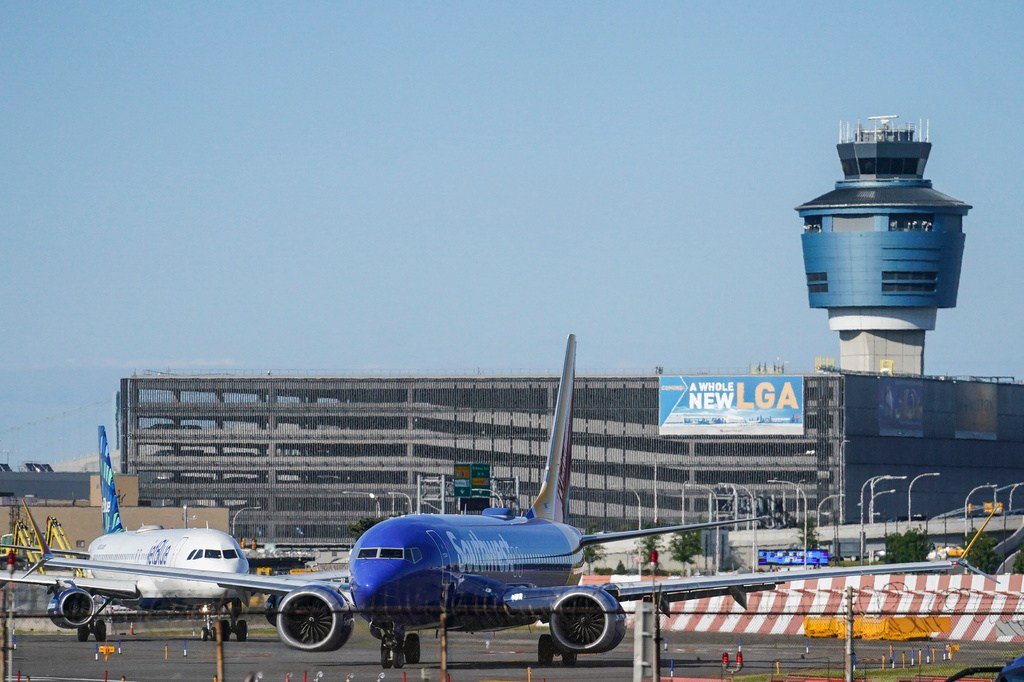
Recent travel chaos in the Northeast has thrust the aging state of America's air traffic control system into the spotlight. A telecommunications failure, compounded by a faulty backup connection, left thousands of passengers stranded on tarmacs from Philadelphia to Boston.
Transportation Secretary Sean Duffy did not mince words about the root cause, calling the breakdown "not shocking" given the decades-old technology that still manages U.S. airspace. But he stressed that with congressional funding, the government can "prevent disruptions like this in the future."

The Trump administration has been working to address these vulnerabilities, but completing the job hinges on continued federal investment. The Federal Aviation Administration (FAA) launched a $12.5 billion initiative just over a year ago to build a next-generation air traffic control network, dubbed the "Envy of the World." The goal is to replace obsolete infrastructure with modern systems capable of handling today's passenger volumes with fewer disruptions.
Progress and the funding gap
So far, about two-thirds of the nation's aging copper wiring has been replaced with fiber optic cables or wireless technology, improving communication between pilots and ground controllers. FAA Administrator Bryan Bedford expects that portion of the project to be completed by this time next year.
Additionally, dozens of new surface-awareness systems have been installed, giving controllers a clearer view of aircraft and vehicles on runways and taxiways. These tools are already boosting efficiency, but they represent only half the battle.
The next phase of the overhaul requires fresh funding. It includes a modern air traffic flow management system and AI-powered software to better predict tarmac disruptions. The technology is currently being piloted at airports in the D.C. area, with hopes of expanding it to major hubs nationwide.
To finish these and other infrastructure upgrades, Duffy has requested $30 billion from Congress. The FAA has warned it is "already starting to delay phase two and phase three because of lack of funding."
Bipartisan support emerges
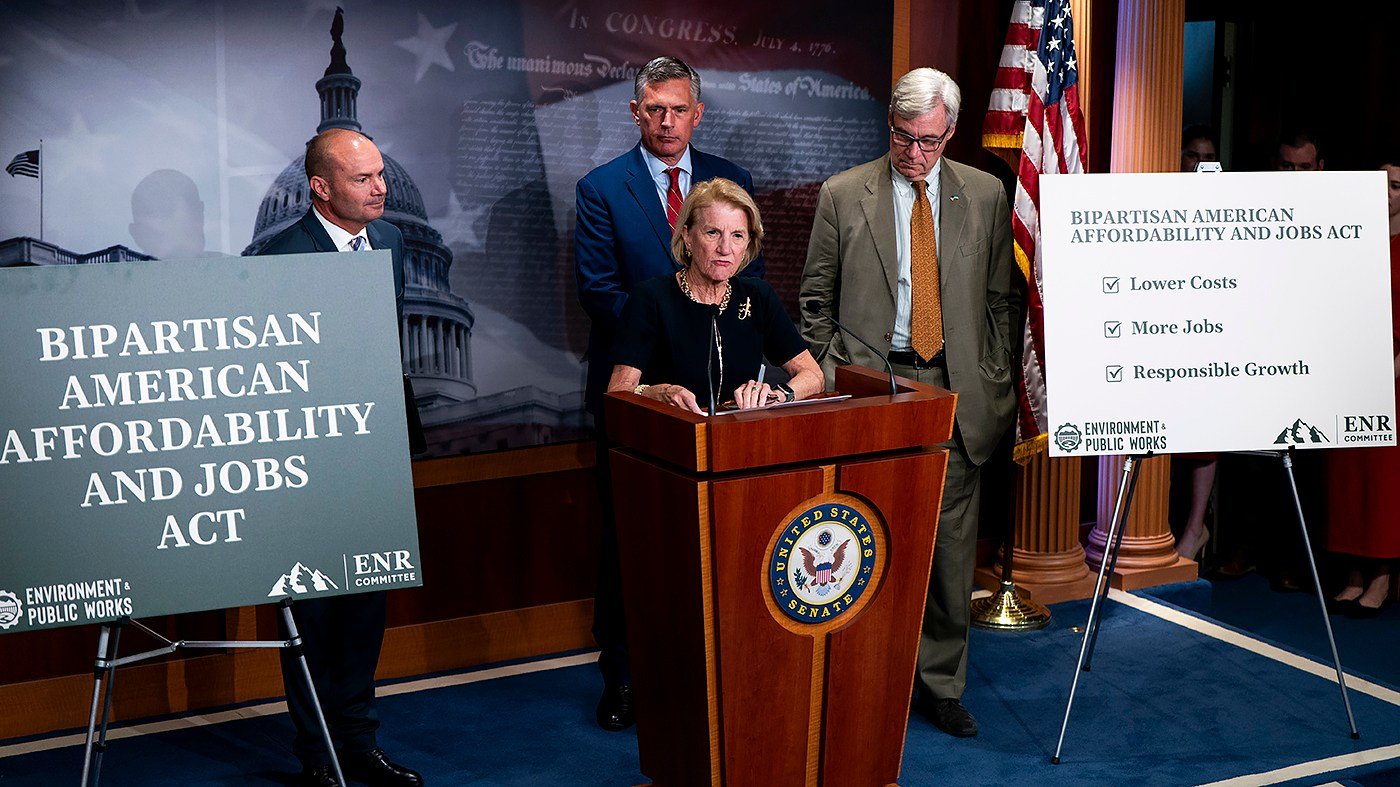
Lawmakers on both sides of the aisle have signaled willingness to provide the necessary resources. At a recent House Appropriations Committee hearing, Transportation-HUD subcommittee chairman Steve Womack (R-Ark.) told the FAA chief, "we are here to be a partner in the effort." House Appropriations Chairman Tom Cole (R-Okla.) echoed that sentiment, emphasizing Congress's role in ensuring the FAA has the "resources, workforce, and capabilities" to carry out its mission.
Democrats have also backed modernization efforts. Senate Minority Leader Chuck Schumer (D-N.Y.) has previously highlighted the dangers of outdated skies, and former President Joe Biden proposed his own plan to upgrade air traffic control.
The upcoming December budget negotiations could provide an opportunity for appropriators to begin satisfying the FAA's request. Alternatively, Congress could pass a standalone funding package. Either way, continuing the modernization drive would be a sound investment for taxpayers.
Rather than pouring money into fixing old equipment or patching outdated software, this funding would deliver tangible benefits to travelers. For those weary of air traffic control delays and communication failures that can add hours to a trip and disrupt connections, this is the solution.
The latest disruptions in the Northeast serve as a stark reminder that relying on antiquated infrastructure creates real problems for the flying public. The Department of Transportation is already working to overhaul the system. Now, it's up to Congress to keep pace with the necessary funding.
Jackson Shedelbower is the executive director of the Center for Transportation Policy.