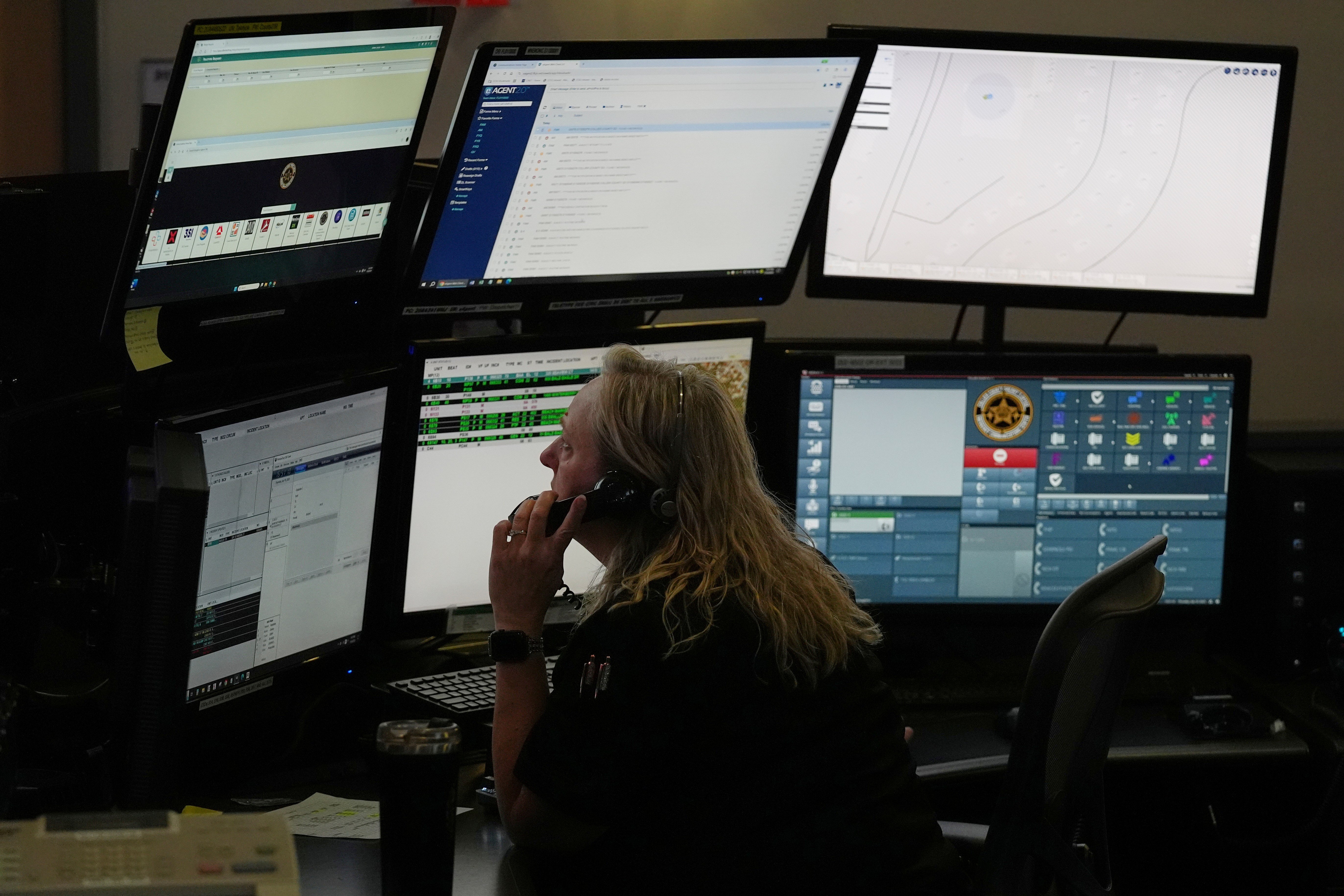
Recent reports that New Orleans was replacing 911 dispatchers with artificial intelligence were false, but the misinformation spread quickly amid intense debate over the technology. The reality is that the U.S. is not ceding emergency response to machines. AI is being used to make emergency communications faster and more resilient, but trained 911 professionals still make the critical decisions.
Emergency calls are not ordinary customer-service interactions. When someone is reporting a heart attack, hiding from an attacker, or helping an injured child, they need calm reassurance, life-saving instructions, and sound judgment amid rapidly changing circumstances. Human intuition and empathy are core to 911 and cannot be replicated by AI.
The 911 system has evolved dramatically since the first call nearly 60 years ago, adopting mobile phones, text messaging, digital data sharing, and streaming video. AI is the next step in that evolution, and the industry's experience with safely implementing previous technologies will guide its adoption.
But AI will not change the fundamental social contract: when a citizen calls for help, 911 will answer.
AI is already being used by 911 for practical purposes. It can translate languages almost instantly, whereas waiting for a human translator can cost precious minutes. It supports realistic training simulations that better prepare new hires for the demands of the job. It can analyze far more calls for quality assurance than supervisors could manually review, helping ensure call-takers perform at their best. AI can also help handle routine, non-emergency calls—which make up roughly two-thirds of all calls to 911 centers, according to the 2025 Pulse of 911 survey—freeing telecommunicators to focus on life-threatening emergencies.
For federal policymakers, encouraging responsible AI adoption is part of the broader effort to modernize 911. Congress has two immediate roles to play.
First, 911 telecommunicators are still classified by the federal government as secretarial and administrative personnel, not as protective service professionals. The Enhancing First Response Act (S. 725) would correct this misclassification and give these first responders the recognition they deserve. The bill passed the Senate unanimously and now awaits action in the House. NENA's CEO, John Provenzano, calls on Speaker Mike Johnson (R-La.) to bring it up for consideration during the lame-duck session under suspension of the rules.
Second, Congress should encourage responsible innovation by passing bipartisan funding legislation to support the nationwide transition to an all-digital Next Generation 911 system. This would provide every community with the secure, resilient infrastructure needed to adopt AI and other new technologies.
The question is not whether AI is categorically dangerous or safe, but whether we can harness its potential while ensuring the safety, reliability, privacy, and public trust that underpin emergency response. AI offers extraordinary opportunities to strengthen 911 operations, speed call handling, and back up the telecommunicators who serve us every day. But realizing that promise requires thoughtful implementation, clear standards, and continued investment in both people and infrastructure.
John Provenzano is CEO of NENA: The 9-1-1 Association, a nonprofit professional organization representing tens of thousands of 9-1-1 first responders across the U.S.