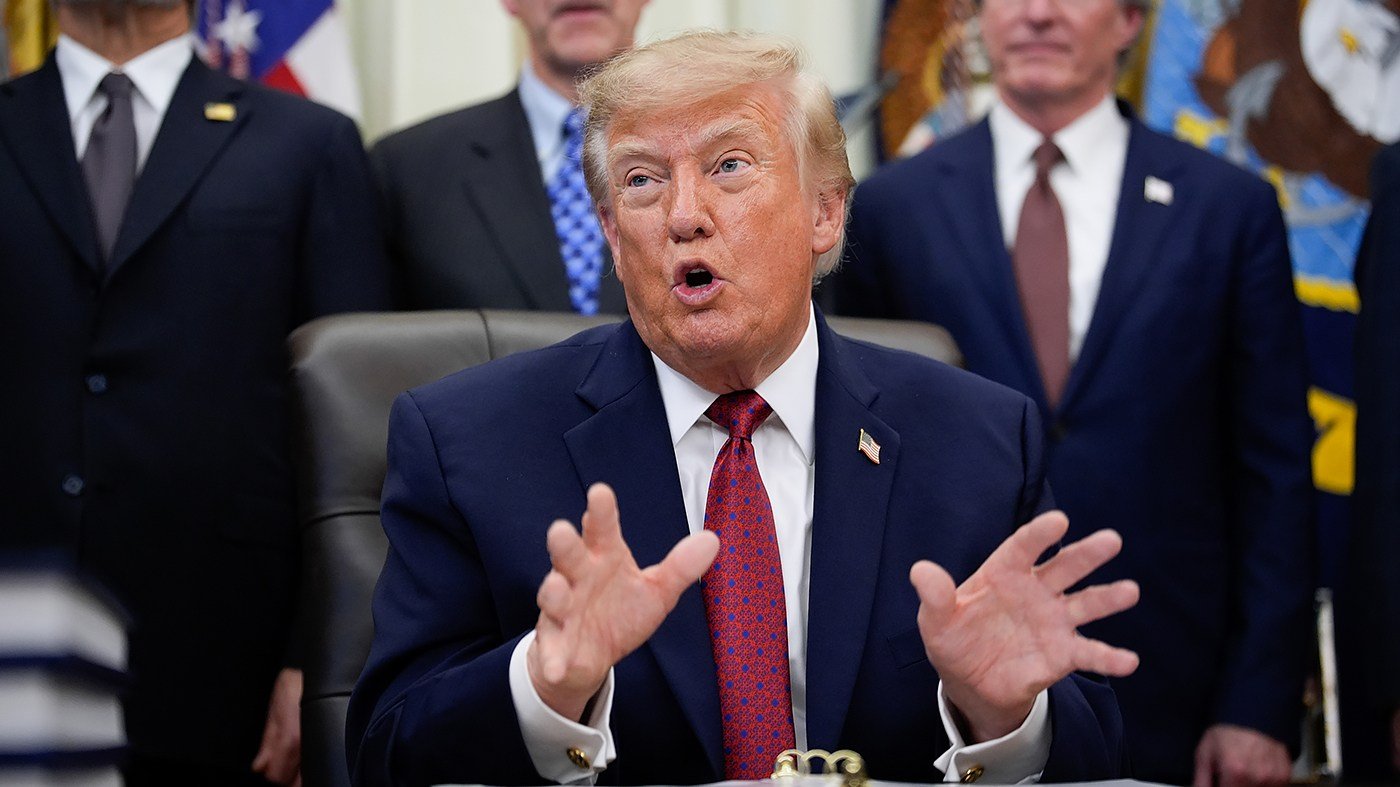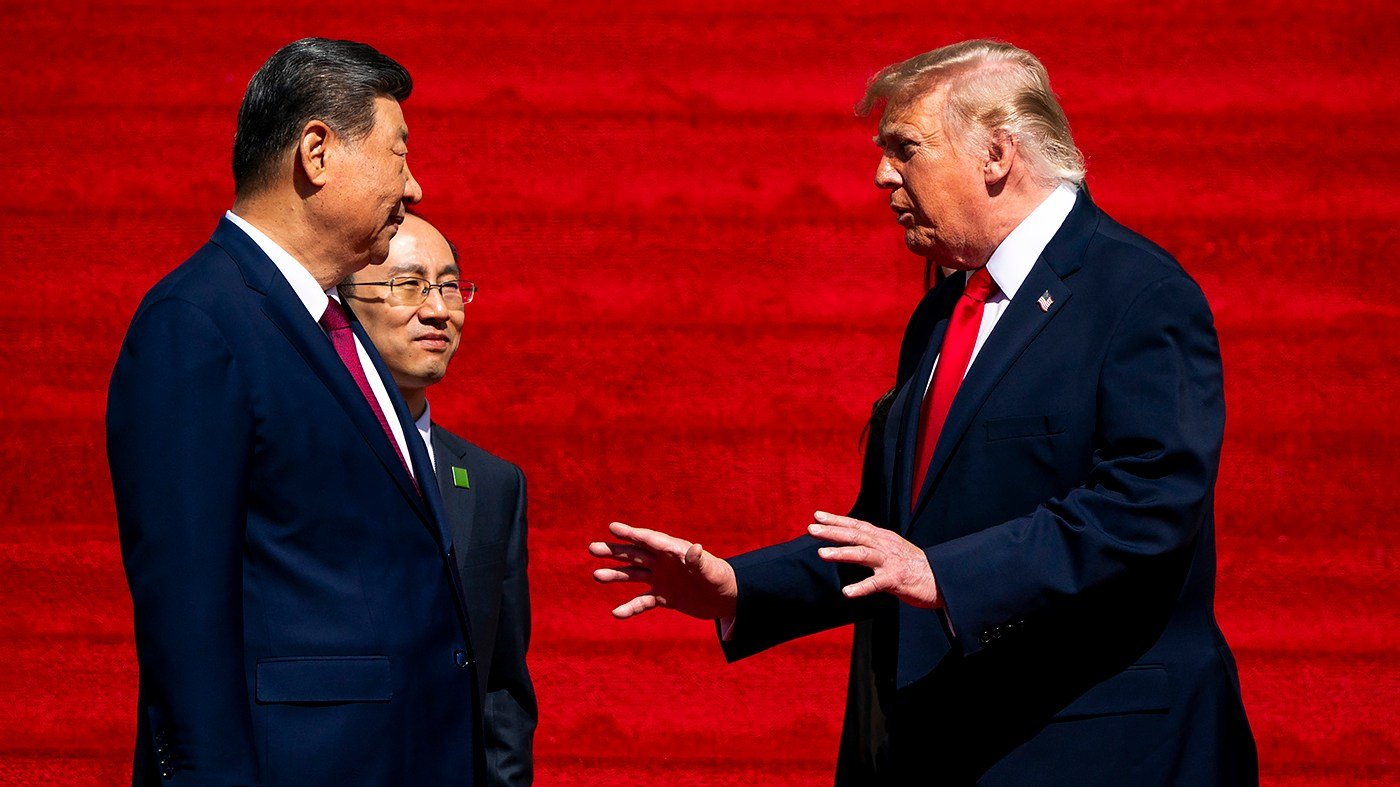
President Trump's recent high-profile engagements with Chinese President Xi Jinping, New York City Mayor Zohran Mamdani, and Silicon Valley executives are raising alarms among Republican strategists, who fear these encounters could dampen enthusiasm among his core supporters just as the party gears up for the midterm elections.
Trump has long been drawn to powerful figures, regardless of their political stripes, viewing such meetings as opportunities to dominate headlines and project global stature. He made history as the first U.S. president to meet North Korea's Kim Jong Un, and he hosted Russian President Vladimir Putin last year. His Oval Office session with Mamdani last November, which was marked by warm body language, came even as Republicans were trying to paint the mayor as a radical leftist.
Now, with Republicans aiming to maximize turnout in November, the latest meetings are seen by some as a strategic misstep. "Frankly, it's inexplicable," one unnamed GOP strategist told The Hill. "Not because a president shouldn't meet with the Chinese president or the mayor of New York, but given their toxicity with the base that you were desperate to turn out at higher than normal levels to offset vulnerabilities elsewhere."
The strategist added: "You need to fire up your base, and instead you're deflating them in the homestretch."
Trump hosted Xi for a lavish state visit last week, following Mamdani's hosting of Trump at Gracie Mansion. On Tuesday, Trump invited tech leaders to a White House luncheon on artificial intelligence, then appeared with them for an impromptu news conference on the North Lawn.
Polling underscores the base's skepticism toward China. A July Chicago Council on Global Affairs survey found that only 36% of MAGA Republicans favored friendly cooperation with China, while 63% wanted to actively limit China's power. Influential MAGA voices, including former Trump adviser Steve Bannon, have branded Big Tech leaders as "oligarchs" and warned about unchecked AI and data centers.
Mamdani, a democratic socialist, has become a GOP target, with Republicans trying to make him the face of the party's leftward shift. Yet Trump's public warmth toward him has raised eyebrows. Notably, NBC News exit polling showed that 9% of 2024 Trump voters in New York City who cast ballots in last year's mayoral election backed Mamdani, suggesting some populist overlap.
John McLaughlin, Trump's longtime pollster, acknowledged that the base dislikes Mamdani and Xi and distrusts Big Tech, but argued voters see these meetings as part of the job. "Trump voters absolutely don't like Mamdani or Xi, and they don't like Big Tech censoring us," he said. He described the base's view of the Xi and Mamdani meetings as "a necessary evil," while noting that views on tech leaders vary—Elon Musk is favored, while Mark Zuckerberg remains distrusted.
Other strategists see the meetings as a charm offensive. "The base sees this as Trump putting his personality to use to try and win people over," said Brendan Steinhauser, a Republican strategist. "They don't trust those folks, but they think he's trying to persuade them."
Steinhauser noted Trump's history of wooing critics, including hosting Anthropic co-founder Dario Amodei for dinner after Amodei voiced concerns about AI deregulation.
A White House official said Trump "is always working on making good deals for the American people." Polls show Trump remains highly popular with his base—approval ratings of 93% among MAGA supporters in an NBC News Decision Desk poll, and 91% in an Economist/YouGov survey.
White House spokesperson Davis Ingle insisted Trump is "the unequivocal leader, best messenger, and unmatched motivator for the Republican Party." Still, some GOP operatives worry that the optics of these meetings could undermine the midterm push, especially as Senate Republicans fret about independent voters and recent setbacks in Texas have already tested the party's momentum.