In a coordinated move to combat surging fuel costs, leaders of the Group of Seven major economies have agreed to release up to 100 million barrels from their strategic reserves over the next four months, according to French President Emmanuel Macron. The announcement, made Friday on social media, aims to ease the burden of high diesel and other petroleum product prices that have rattled global markets.
Macron's post did not specify whether the release would consist of crude oil, diesel, or a mix of products, but President Trump clarified on Truth Social that Europe would tap its diesel stockpiles. "Europe has just agreed to release a massive amount of their heavily stocked Diesel Oil. The process will begin immediately," Trump wrote.

A White House official told The Hill that Trump spoke with Macron late Thursday and with other G7 leaders on Friday to finalize the agreement. The administration had been pressing European nations to unlock their diesel reserves, with Reuters reporting that Washington threatened to halt diesel exports to France and Germany if they did not comply.
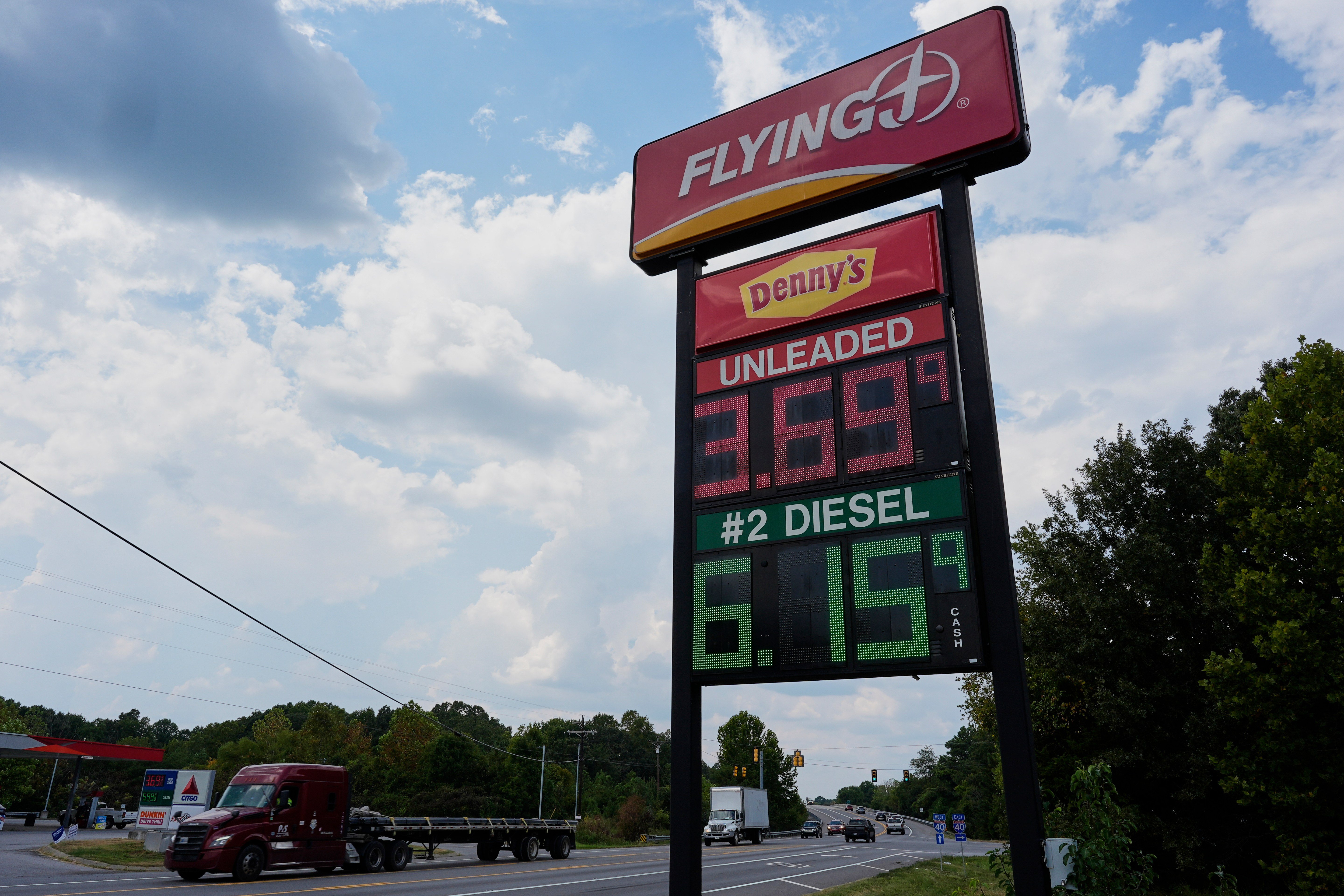
The move comes as diesel prices have soared to record highs, averaging $6.37 per gallon as of Friday, according to AAA. The spike has hit U.S. farmers particularly hard, and with midterm elections approaching, it has become a politically charged issue. Some rural Republican lawmakers have called for a complete ban on U.S. diesel exports.
Global conflicts, including the U.S.-Iran and Russia-Ukraine wars, have contributed to the price surge. The release of strategic reserves is seen as a short-term measure to inject supply and calm markets, but analysts caution that it may not be enough to offset ongoing geopolitical tensions.
The agreement marks a rare instance of transatlantic cooperation on energy policy, though it also underscores the fragility of global fuel supplies. The Trump administration has been vocal in its criticism of European energy policies, and this deal may ease some of that friction.
As part of the broader effort to address high pump prices, there has been growing bipartisan support for a gas tax holiday to provide immediate relief to consumers. However, such measures face an uphill battle in Congress.
The G7 release is expected to begin immediately, with the first barrels hitting the market within weeks. Whether it will be enough to bring down prices remains to be seen, but it signals a willingness among world leaders to act decisively on energy security.