Speaking at the UN General Assembly last week, President Trump called on nations to unite against threats to humanity, but his message is being increasingly dismissed by voices on both ends of the American political spectrum. A growing, and in the view of Sen. Rick Scott (R-FL) and Hudson Institute Fellow Rebeccah Heinrichs, a dangerous narrative suggests that fixing America's domestic problems requires stepping back from its global role. This view, they argue, is historically blind and strategically foolish.
Drawing a parallel to the late 1930s, when isolationist sentiment was strong despite Nazi aggression, Scott and Heinrichs warn that today's calls for retreat echo those that preceded global catastrophe. They contend that the American Dream is not separate from U.S. leadership abroad but is instead dependent on it. "America First is not possible if America surrenders its position on the world stage," they write, emphasizing that a strong foreign policy deters enemies and avoids endless wars.
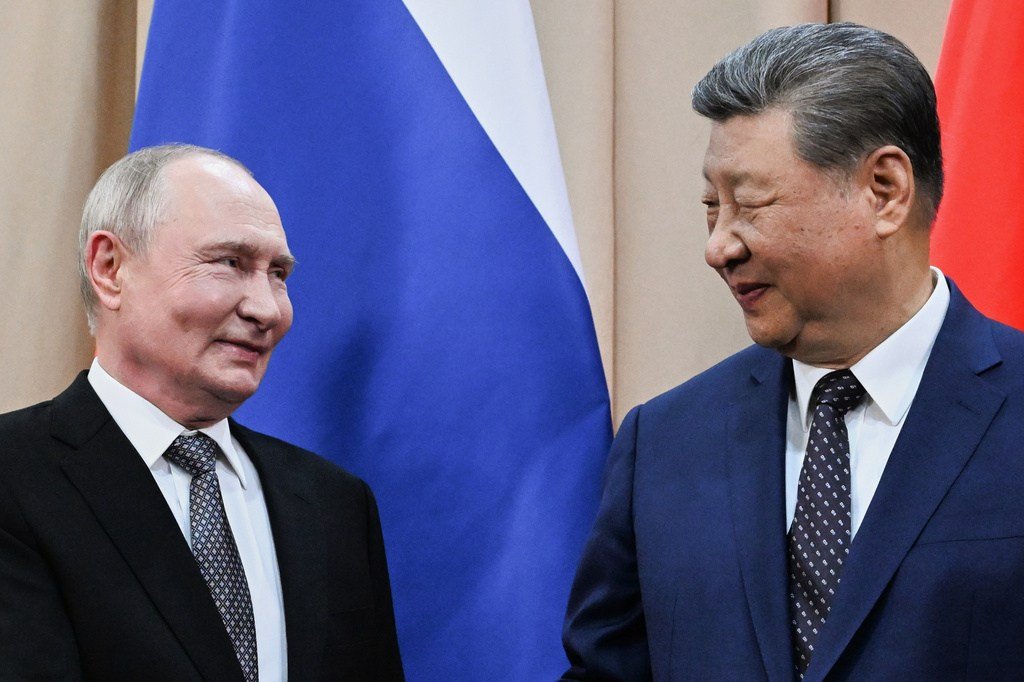
The authors point to an emerging "authoritarian alliance" comprising China, Russia, Iran, North Korea, and Cuba, which they say is coordinating to undermine U.S. influence and reshape the global order. They note that China uses economic leverage, Russia tests NATO's resolve in Ukraine, Iran destabilizes the Middle East, and North Korea advances its nuclear program while supporting Moscow's war effort. In the Western Hemisphere, they single out Cuba as a persistent source of instability.
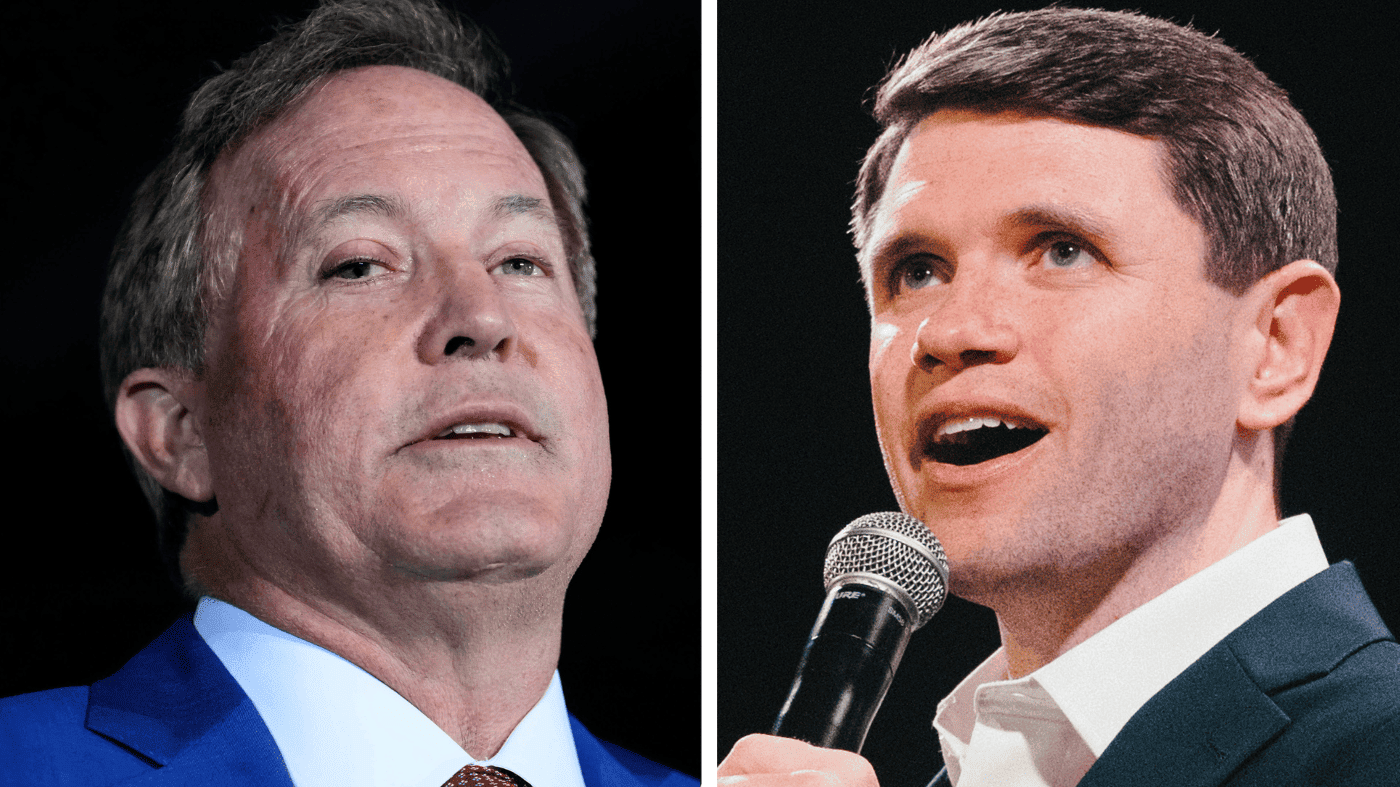
Scott and Heinrichs criticize what they call the "Tucker-Piker camp"—a reference to media figures Tucker Carlson and Hasan Piker—for failing to recognize these threats. They assert that foreign adversaries view such voices as useful assets in weakening American resolve. The authors argue that retreat would not appease these powers but would only make future confrontation costlier, leaving the U.S. isolated, economically strangled, and stripped of its autonomy.
They credit President Trump and Secretary of State Marco Rubio with pursuing a smarter strategy, citing Trump's push to get NATO allies to increase defense spending and the administration's efforts to reduce trade dependence on Beijing. Every dollar sent to China, they argue, is capital used against American interests.
The piece concludes that strong global leadership is a prerequisite for domestic security and prosperity. Without it, the postwar order that has underpinned Western rights and freedoms could unravel. As the debate over America's role intensifies, the stakes, in their view, could not be higher.
For more on related policy debates, see how the national debt is squeezing households and Rubio's Latin America push.

