President Trump on Thursday issued a stark ultimatum to Iran, declaring that the Islamic Republic will be obliterated if its leadership refuses to accept a peace agreement with Washington.
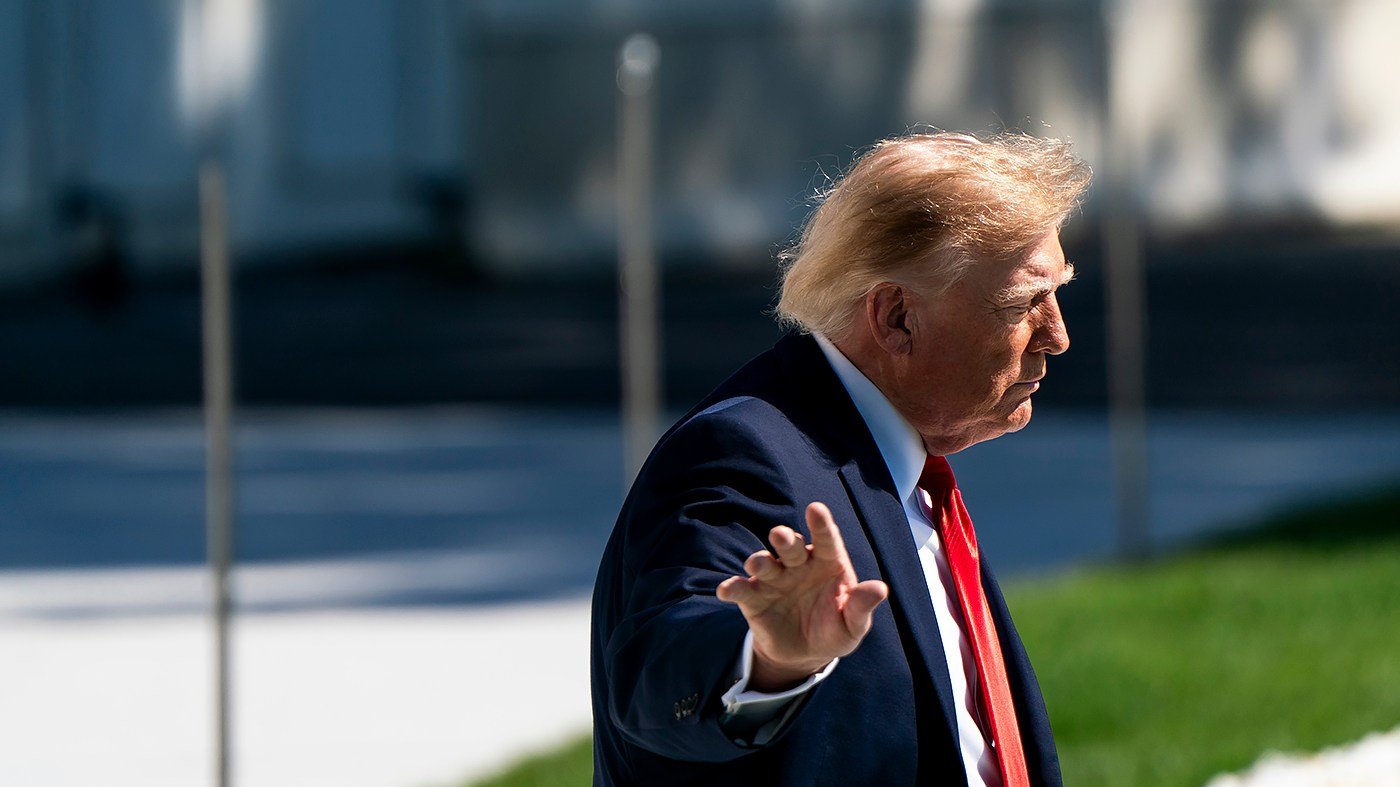
"Now I have to make a decision. They'll either sign a very fair deal or they won't exist any longer," Trump told reporters on the South Lawn before departing for Oklahoma.
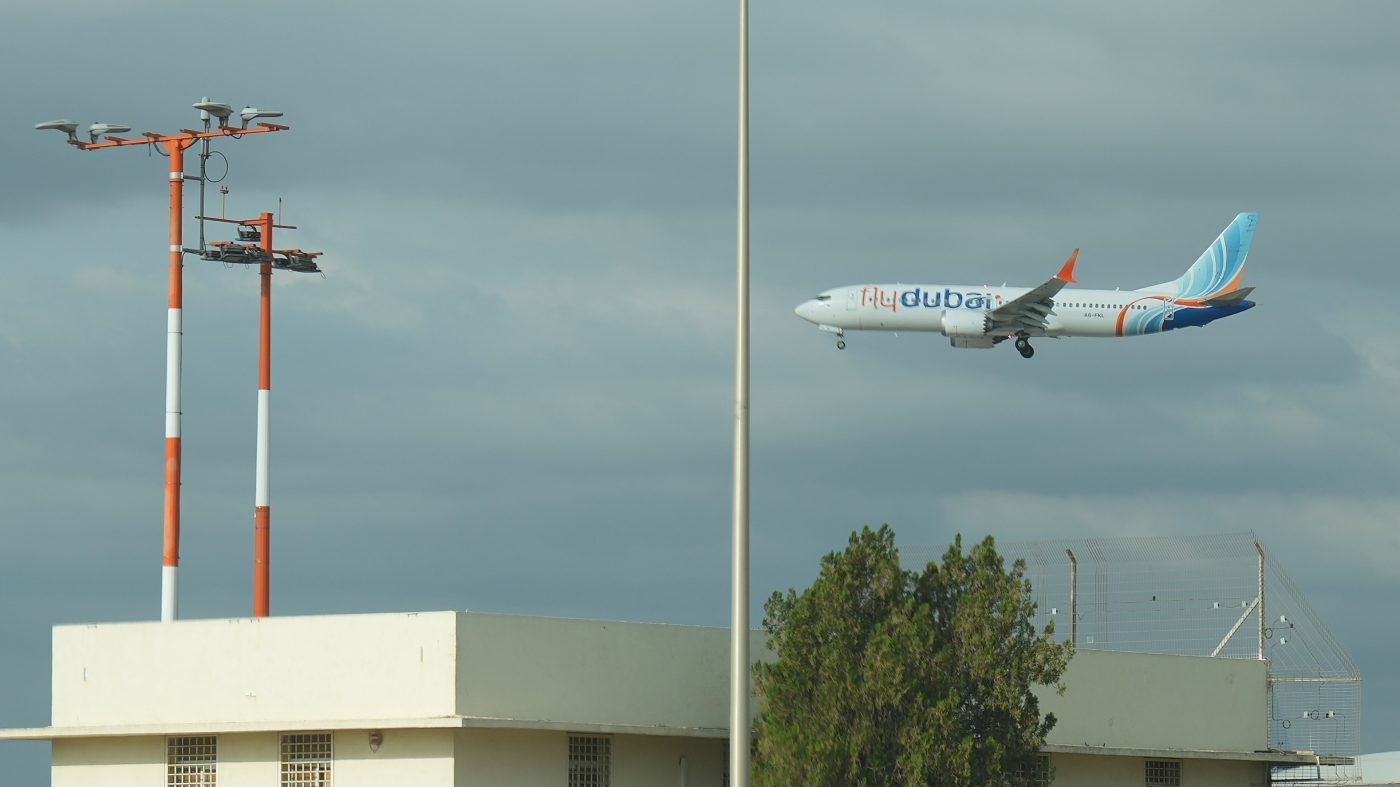
The president's remarks escalate an already volatile standoff. He also suggested that Iran may have been involved in an alleged attempt by a co-pilot to crash an Israel-bound airplane that had departed Dubai earlier this week.
"I would say the answer based on what I'm hearing is yes, but we're working on it right now," Trump said when asked about a possible Iranian connection.
Trump said on Wednesday that he had spoken "at length" with Israeli Prime Minister Benjamin Netanyahu about the incident, underscoring close coordination between Washington and Jerusalem.
The president's threats follow his disclosure to Time Magazine that he rejected Iran's latest peace proposal. "It's just not good enough, nearly," Trump told the publication, explaining that the offer only opened "some aspects" of the Strait of Hormuz—a vital chokepoint for global oil shipments.
Trump also told Time that he would not accept any deal from Tehran that he would not have approved a year ago. He further indicated that he might resume bombing Iran after November's midterm elections, a timeline that suggests military action could be deferred for political reasons.
The president's comments come as his administration continues to weigh a range of national security measures. Trump has recently refused to rule out invoking emergency powers for the midterms, and he has campaigned on economic themes amid voter anxiety.
His Iran rhetoric also follows a series of provocative statements on domestic matters, including a claim that he blocked a Secret Service plan to demolish the Oval Office.
With the midterms approaching, Trump's Iran policy appears to be entering a more aggressive phase, mixing diplomatic demands with explicit threats of military force. Whether Tehran will bend to the pressure—or call his bluff—remains an open question.