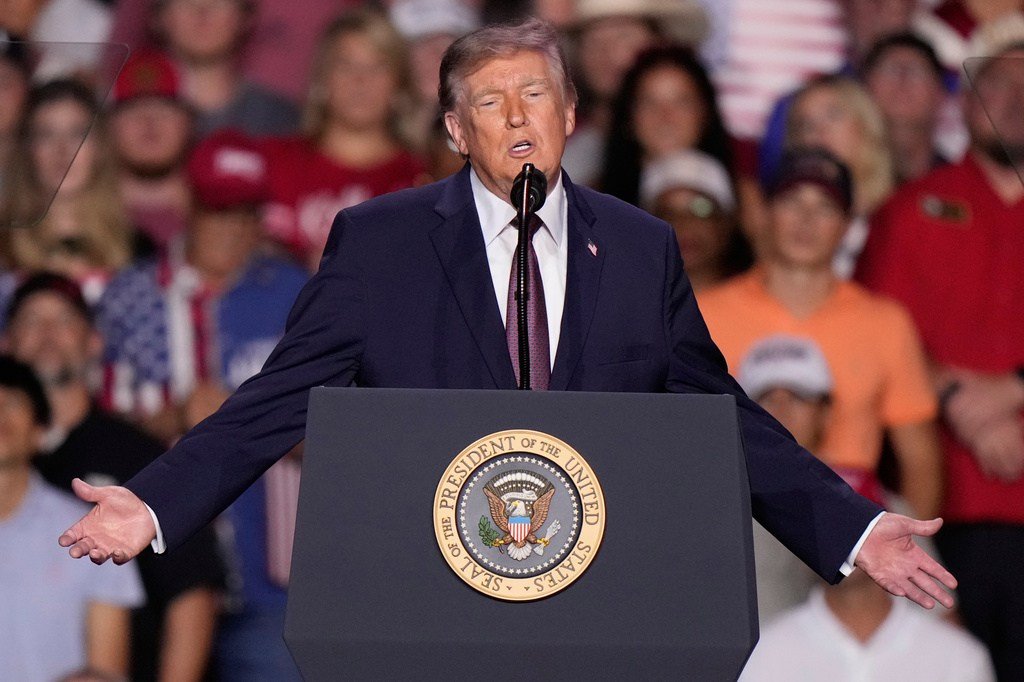
President Trump used a Saturday rally in Vandalia, Ohio, to mount a vigorous defense of data centers, casting them as essential to America's artificial intelligence race against China and pushing back against a wave of local opposition that has become a political liability for Republicans ahead of the midterms.
“There's so much money to be made for Ohio. You can't just turn them off. They'll go to China,” Trump told the crowd, framing the massive computing facilities as an economic windfall rather than a burden. He described the AI systems these centers power as “superintelligence” and pledged that his administration would ensure such projects “benefit local communities.”
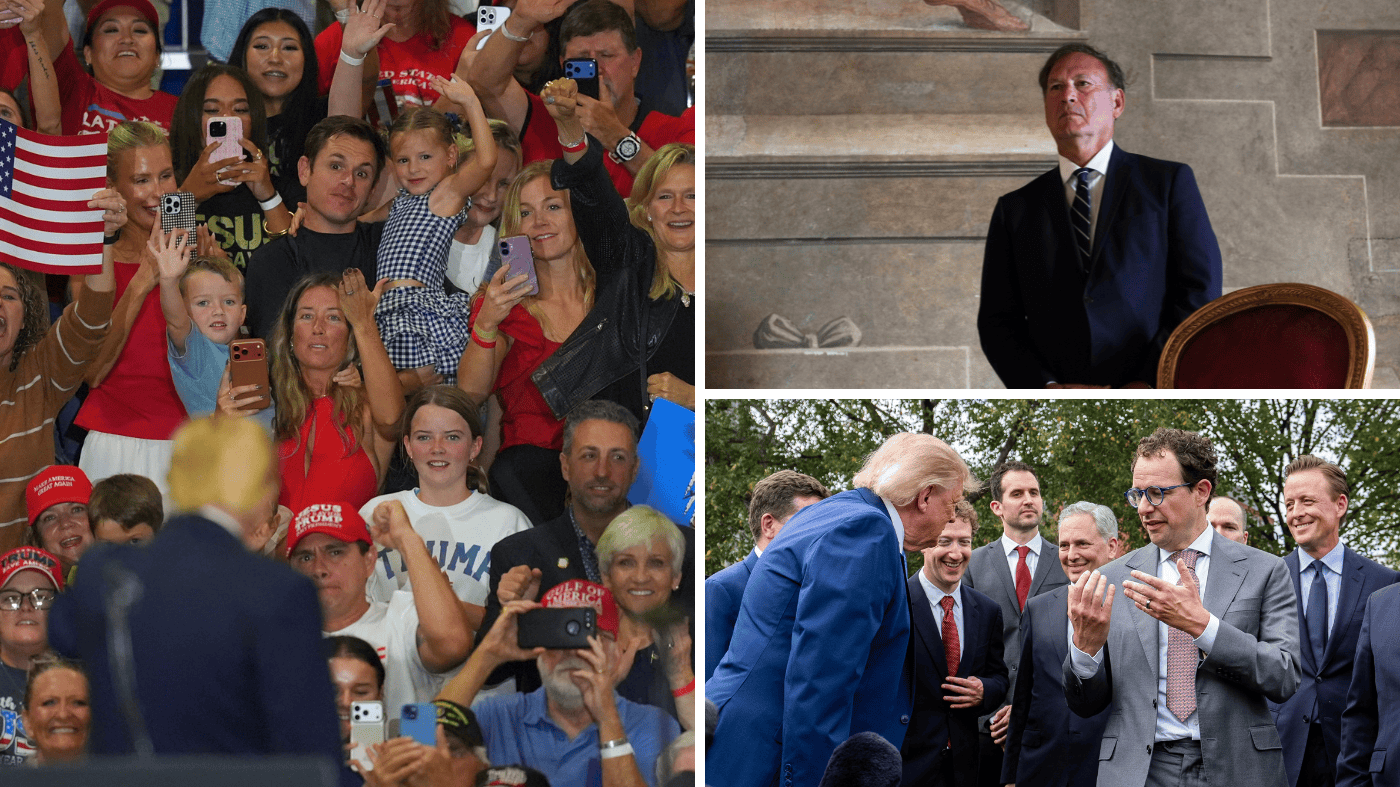
The remarks landed in the middle of one of the nation's most competitive Senate contests, where data centers have emerged as a flashpoint. Sen. Jon Husted (R-Ohio), who was appointed to the seat formerly held by Vice President Vance, has championed the facilities during his time as lieutenant governor. But his support has drawn sharp criticism from Democratic challenger and former Sen. Sherrod Brown, who is seeking to turn the issue into a liability.
“Senator Jon Husted gave billions in tax breaks to Big Tech to make sure they would build their data centers in Ohio,” Brown wrote Friday on X. “Now, he's making Ohioans foot the bill.”
Husted, who appeared at the rally, has introduced legislation aimed at addressing rising concerns by requiring large power users to shoulder a greater share of their energy costs. The GOP-controlled Senate attempted to advance the bill, but Democrats blocked it, leaving the issue unresolved and politically charged.
Opposition to data centers has been building nationwide, with residents and lawmakers citing their enormous electricity demands and water consumption, which they argue could drive up utility bills for everyday consumers. That backlash has become a recurring headache for Republicans as the election approaches, even as Trump continues to champion AI infrastructure expansion as a national priority.
The president's defense of data centers fits into a broader pattern of his administration pushing to outpace China on AI development, a theme he has hammered in recent weeks. His voluntary AI safety pact has drawn skepticism from both parties, but Trump has remained undeterred, insisting that the U.S. must not cede ground to Beijing.
Saturday's rally capped a three-day swing through Republican strongholds, with Trump using the trip to energize the base and spotlight races where GOP control is at stake. The Ohio event was the finale, and the president did not shy away from tying local concerns to national security and economic competitiveness.
For Husted, the data center debate is a delicate balancing act. He has tried to position himself as a pro-growth conservative while acknowledging the need for oversight, but Brown's attacks have resonated with voters worried about rising costs. The outcome in Ohio could hinge on whether Trump's endorsement can outweigh the utility bill anxieties that data centers have stoked.
As the midterms near, the data center issue shows no signs of fading. With Trump doubling down and Democrats seizing on the costs, the fight over these facilities is likely to remain a central theme in the Buckeye State and beyond.