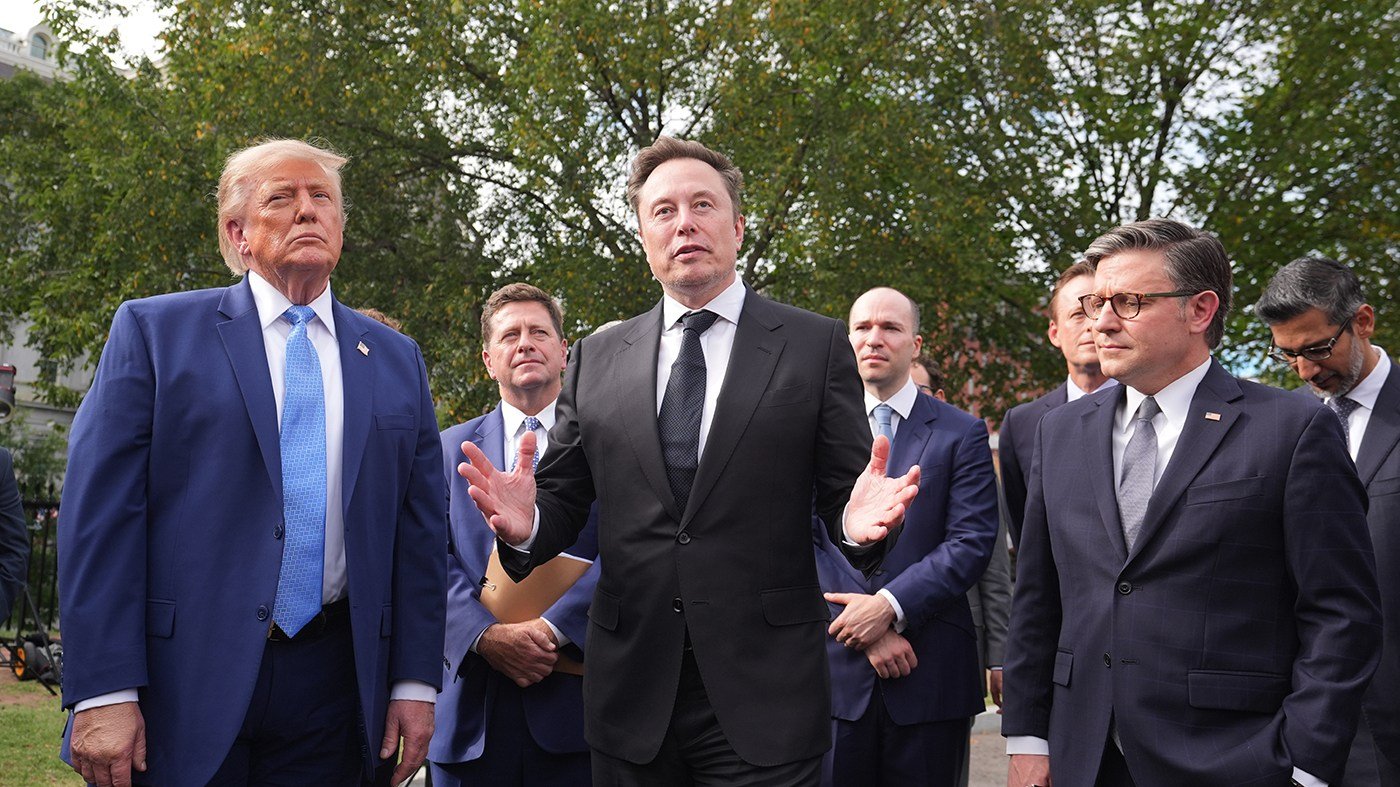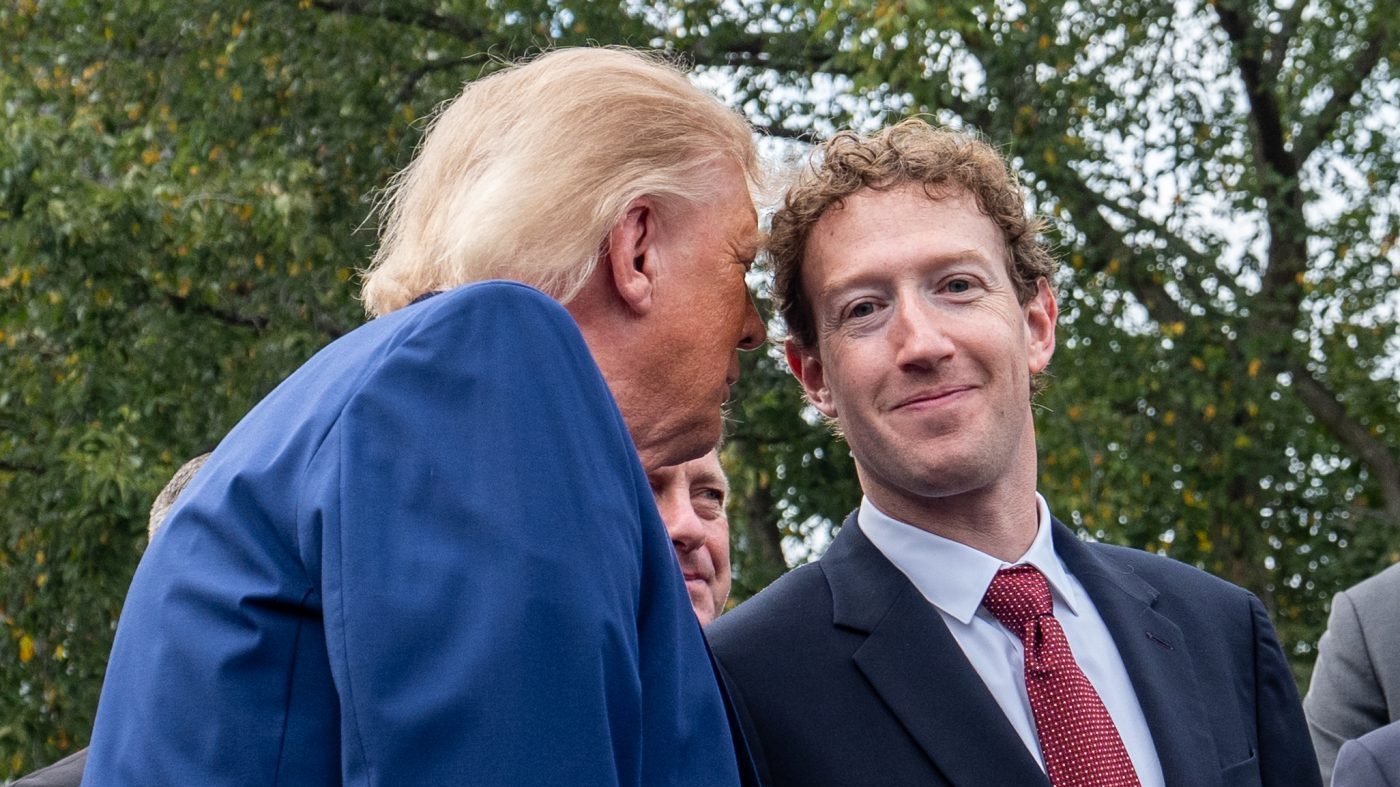
President Trump's newly unveiled artificial intelligence safety accord is encountering a lukewarm reception in Washington, with lawmakers from both parties questioning whether a voluntary, self-policing framework can adequately address mounting concerns about the technology's risks.
The one-page agreement, signed Tuesday by several of the industry's largest companies, outlines four "layers of controls and audits." It calls on AI firms to implement robust internal controls over their models, empower an internal team to crosscheck those controls and mediate issues, partner with external auditors to evaluate their safeguards, and designate an independent board committee to oversee reports from operating teams.

Trump has argued that industry officials can effectively police themselves, but critics contend that AI development requires more rigorous oversight to prevent it from spiraling out of control. Even some who described the accord as a step in the right direction expressed reservations about its voluntary nature.
One expert told The Hill that while the administration's concerns may be "sincere," the pledge is not a "solution" to preventing the potential risks of AI development. The expert's assessment underscores a broader worry that a nonbinding agreement lacks the enforcement teeth needed to hold companies accountable.
Some lawmakers, including members of Trump's own party, voiced skepticism. Sen. Josh Hawley (R-Mo.) called the accord a "good step" but stopped short of saying lawmakers can take AI executives at their word. His cautious response reflects a growing unease on Capitol Hill that voluntary commitments may not be enough as AI capabilities rapidly advance.
The debate over AI oversight is unfolding against a backdrop of broader technological policy battles in Washington. Progressives recently unveiled legislation aimed at cracking down on automatic license plate readers, while NASA continues to develop dexterous humanoid robots for lunar missions. Meanwhile, Amazon announced a $1 billion investment in communities hosting its data centers, a move that touches on both economic development and energy efficiency concerns.
The AI accord's fate could hinge on whether lawmakers decide to pursue binding legislation. As the technology sector evolves, the question of how to balance innovation with safety remains unresolved. For now, the White House appears content to let industry take the lead, but the skeptical reception in the capital suggests that the debate over AI governance is far from over.
In related news, Anthropic has warned that shifting government attitudes could harm its customer relationships, and OpenAI has hired a top Trump AI official to work on national security issues. These developments highlight the increasingly intertwined nature of AI policy, national security, and commercial interests.
As Washington grapples with the implications of AI, the voluntary accord may serve as a temporary measure rather than a lasting solution. The coming months will test whether self-policing can truly safeguard against the risks of a technology that is reshaping economies and societies alike.