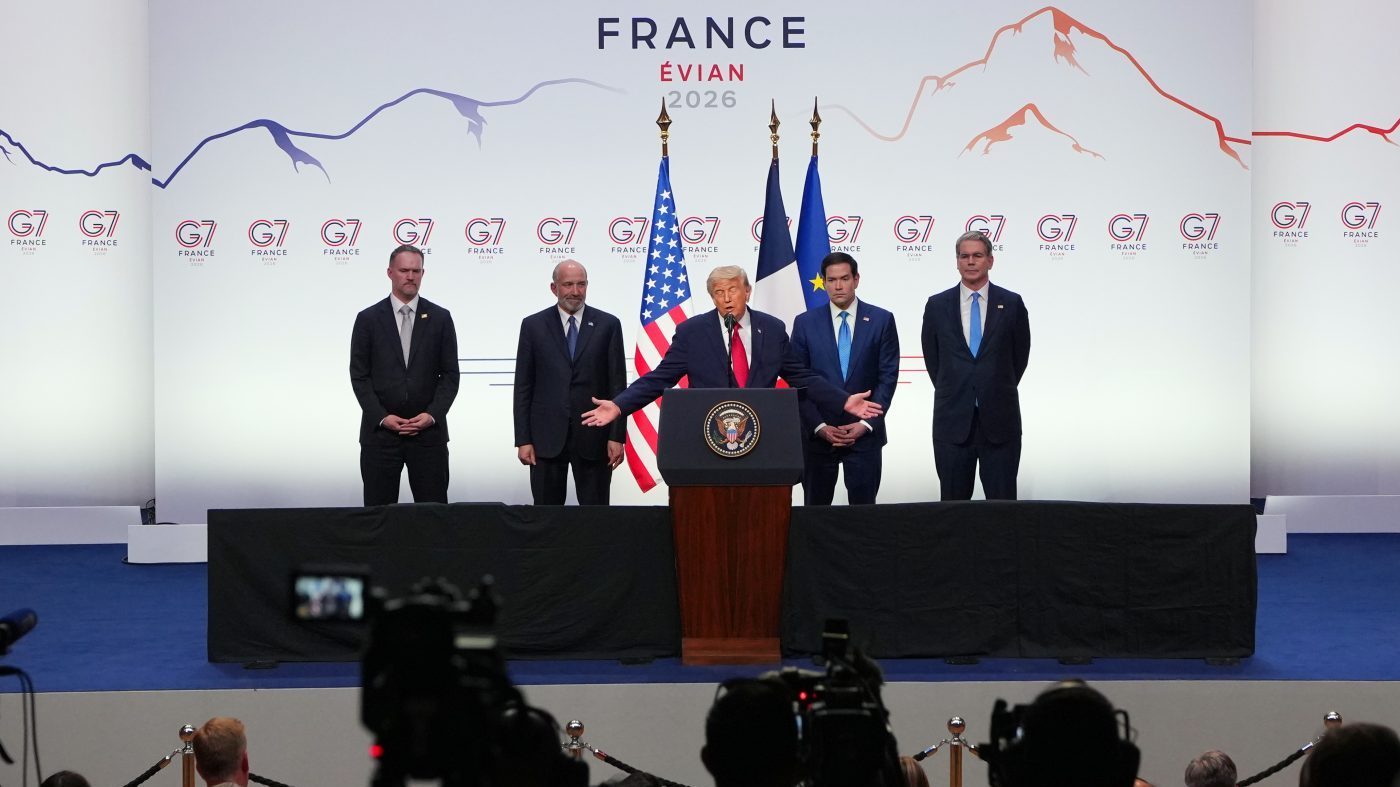
President Trump said Friday that he will not impose a ban on diesel exports, walking back an earlier suggestion as the Group of Seven major economies unveiled a coordinated release of fuel reserves to cool soaring prices.
Speaking to reporters before departing the White House for Alabama, Trump praised Europe’s contribution and confirmed the U.S. would not restrict shipments. “Europe has a lot of diesel, and they’re going to be making a major world contribution, and so are we, and we’re not going to be doing the export ban,” he said. He added, “We were never going to do it.”
The comments mark a reversal from last week, when Trump appeared to endorse the idea as diesel prices climbed to record highs. “I’ve called for it within my people,” he said at the time. But administration officials, including Energy Secretary Chris Wright, quickly signaled that no ban was forthcoming. Officials warned that an export ban could backfire by incentivizing refiners—who produce diesel and gasoline together—to cut overall output, potentially driving up prices for other fuels like gasoline.
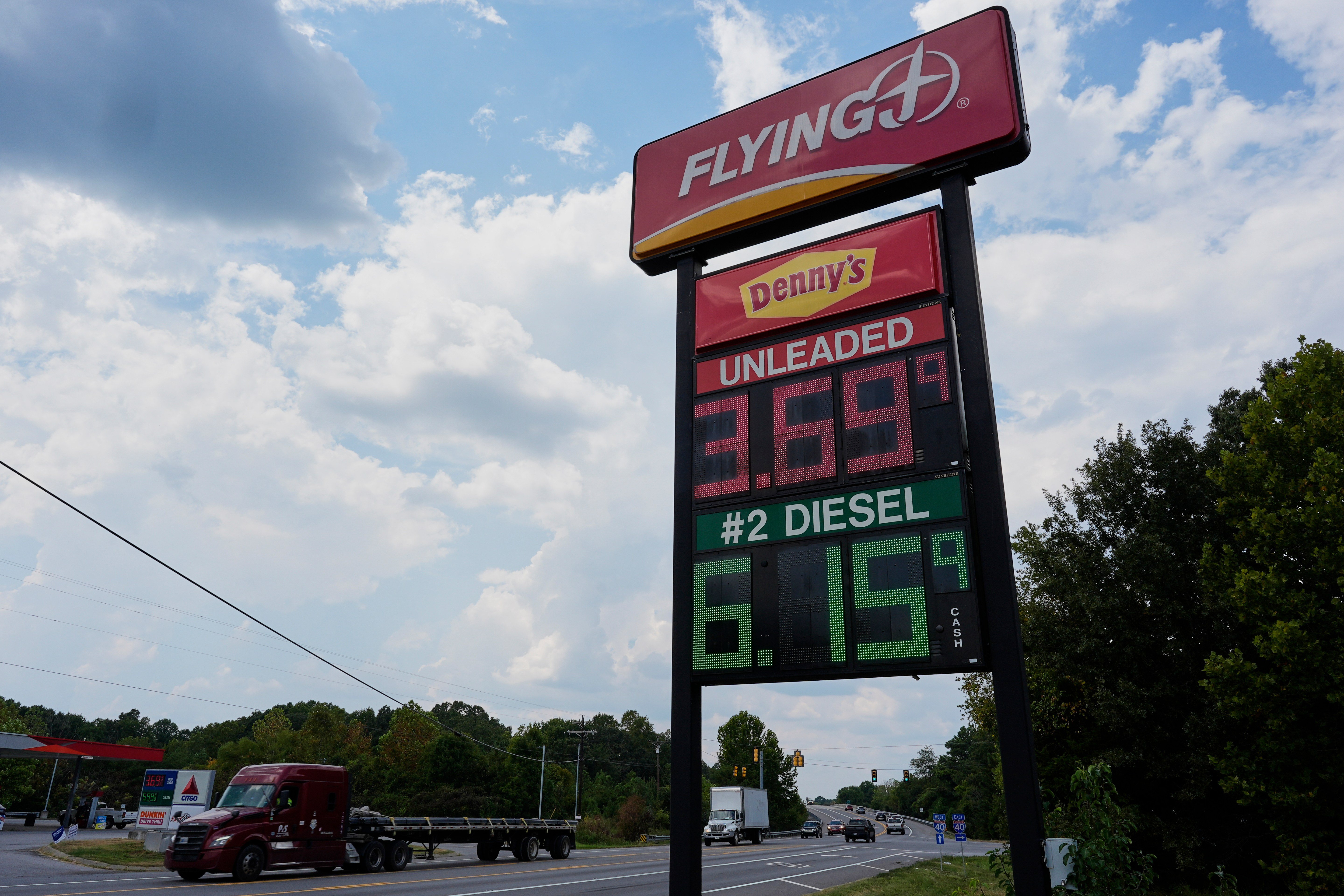
The G7 announcement, which includes the U.S., U.K., Canada, France, Germany, Italy and Japan, commits to releasing 100 million barrels of fuel over the next four months. The plan includes a frontloaded substantial diesel release within the first 20 days, according to the group. The move is aimed at easing a supply crunch that has sent diesel prices soaring. On Friday, diesel averaged $6.37 per gallon in the U.S., according to AAA—a burden particularly felt by the farming and trucking industries.
The decision to forgo an export ban reflects concerns that such a move could disrupt global markets and undermine the very relief the G7 is trying to provide. By keeping exports flowing, the administration hopes to avoid unintended consequences while still benefiting from the coordinated reserve release. The G7’s action, which follows similar efforts to tap strategic reserves, represents a significant intervention in energy markets.
Trump’s latest remarks also come amid broader energy diplomacy. The administration has been pressing allies on various fronts, including a $54 billion Alaska LNG deal that has raised doubts in Seoul. Meanwhile, the G7’s fuel release was finalized as Trump skipped a video address at an energy summit, underscoring the delicate balance between domestic politics and international cooperation.
For consumers and industries reliant on diesel, the G7 release offers a potential reprieve. But the effectiveness of the move will depend on how quickly the fuel reaches markets and whether it can offset persistent supply constraints. The administration’s decision to allow exports to continue suggests it is betting that global market dynamics, rather than unilateral restrictions, will provide the most effective relief.
As diesel prices remain elevated, the political stakes are high. Trump’s reversal may quiet criticism from free-market advocates who warned against export bans, but it also leaves him open to attacks from those who wanted tougher action. For now, the focus shifts to the G7’s coordinated release and whether it can deliver the promised relief at the pump.