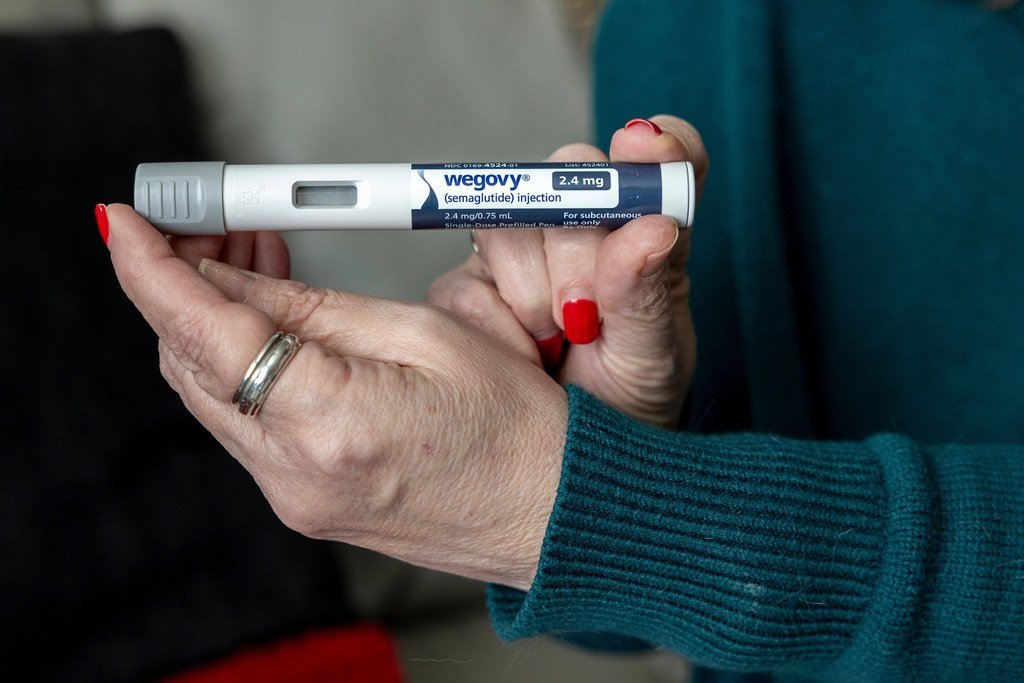
Thousands of refugees and other lawfully present immigrants were dropped from Medicaid on Oct. 1, the first tangible consequence of the sweeping cuts contained in the Republican-backed One Big Beautiful Bill Act. State agencies and advocacy organizations have scrambled to notify affected populations—refugees, asylees without green cards, survivors of domestic violence, and victims of sex trafficking—that they no longer meet eligibility requirements.
"This is a real shift that's going to create a serious gap in access to healthcare services," said Adriana Cadena, executive director of the Protecting Immigrant Families Coalition. "The folks who have survived the most trauma, whether it's war, natural disaster, or sexual assault, are going to be the folks who are going to be losing coverage."
The restrictions strip access not only to doctors but also to medications and treatments for chronic conditions like diabetes. Providers stand to lose long-term patients, and hospitals brace for a surge in uninsured emergency room visits—costs that could strain the entire health system. Federal law requires hospitals to provide emergency care regardless of immigration status, with reimbursement through Emergency Medicaid.
The law does not affect green card holders or a few other narrow categories. It also preserves state options to cover children and pregnant immigrants, with federal matching funds still available for those groups. But for many others, the loss is immediate.
These Medicaid changes are just the opening salvo. Starting next year, more than 1 million immigrants are projected to lose Affordable Care Act subsidies and Medicare coverage. The One Big Beautiful Bill Act, signed by President Trump in 2025, is expected to slash Medicaid spending by $900 billion through 2034, relying heavily on new eligibility restrictions, work requirements, and cost sharing.
During the legislative fight, the White House framed the cuts as targeting undocumented immigrants. "The One, Big, Beautiful Bill is a generational chance to protect Medicaid for Americans by removing at least 1.4 million illegal immigrants from the program," the administration said in a May 2025 statement. But immigrants without legal status were already ineligible for federally funded coverage. The law also tightens rules for legal immigrants' use of food stamps, Medicare, and the Children's Health Insurance Program.
The nonpartisan Congressional Budget Office estimates that roughly 100,000 lawfully present immigrants will lose health insurance. Advocates argue the true figure could be far higher, pointing to the Trump administration's slowdown in processing green card applications. Many legal immigrants will be kicked off Medicaid while they wait for their applications to be decided. According to U.S. Citizenship and Immigration Services, a refugee admitted more than a year ago faces an average 30-month wait for permanent residence.
"These are people who are among the most vulnerable and among the most vetted categories of immigrants," said Ben D'Avanzo, senior strategist at the National Immigration Law Center, calling it "shocking" that Republicans would demonize immigrants admitted for humanitarian reasons.
Federal officials defend the policy as a matter of fiscal responsibility. "Immigrants must be able to support themselves and not depend on benefits paid for by hard-working American taxpayers. President Trump and this administration will always put American citizens first," White House spokeswoman Lauren Bis said in a statement.
Steven Camarota, research director at the Center for Immigration Studies, which favors lower immigration levels, supports curbing immigrants' use of welfare but acknowledges the Medicaid savings are modest. "If we really want legal immigrants to use less welfare we would need to have a system that selects future immigrants based on skills who are unlikely to need welfare," he said.
Advocates counter that cutting immigrants off from Medicaid is a false economy. D'Avanzo noted that many of those losing coverage will eventually become Medicaid-eligible green card holders. "But in the meantime, they will put off preventative care. They will have sacrificed medication that controls chronic conditions. They will not have sought treatment for their diabetes or their heart disease," he said. "And by the time they become Medicaid eligible again, they will have conditions that have not been treated because they could not afford to, and instead we'll be seeing people in the emergency room."
With few alternatives available, some states and advocacy groups are exploring options like Federally Qualified Health Centers, where patients can pay out-of-pocket on a sliding scale. But for many, the safety net has already been pulled away.