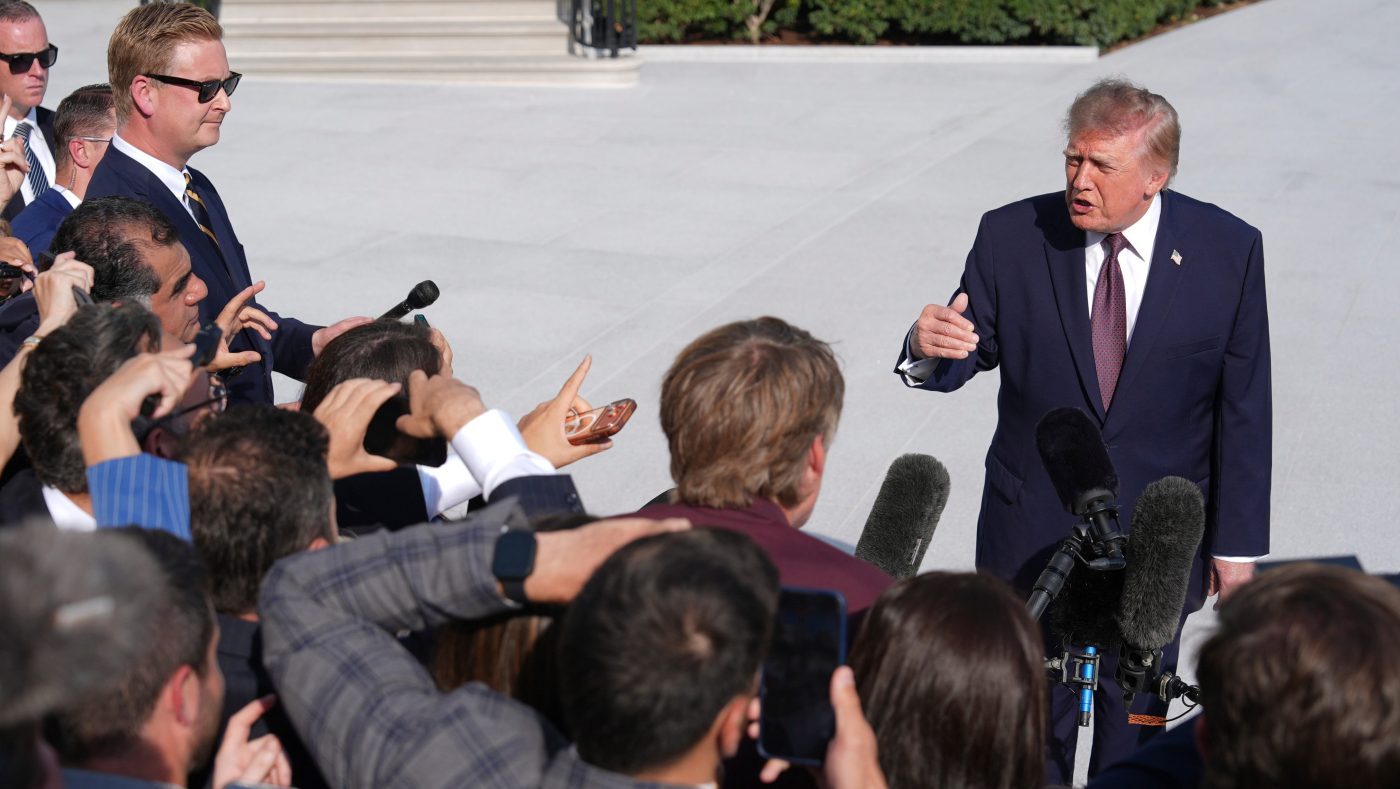
President Trump on Friday rejected suggestions that he prematurely announced a South Korean commitment to bankroll a $54 billion liquefied natural gas pipeline in Alaska, even as officials in Seoul insisted the project remains under review.
“Well, I didn’t jump the gun. I mean, they were there, and they were represented,” Trump told reporters before leaving the White House for a campaign event. “If they don’t want to do it, that’s OK with me. I’ll just charge them more.”
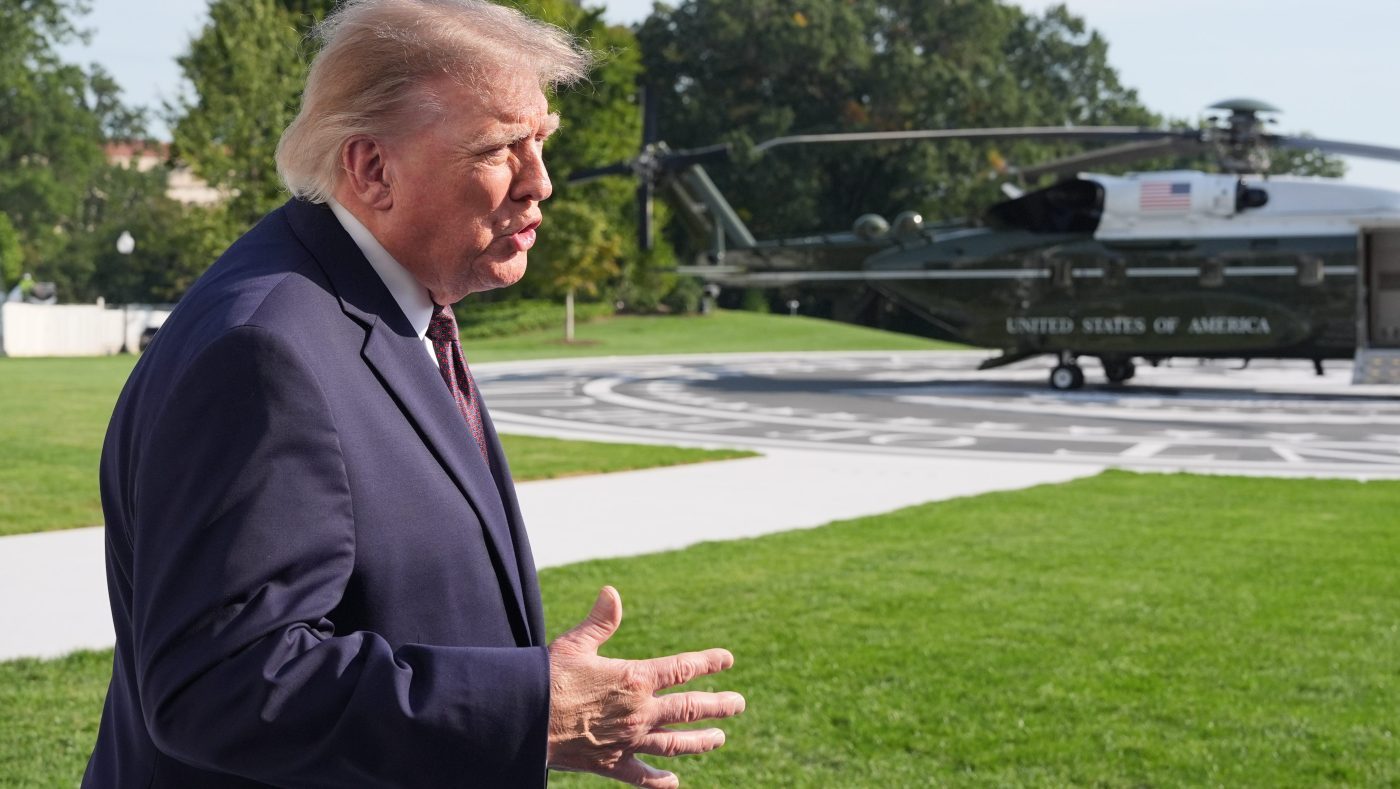
He added: “Tell them if they don’t sign shortly, I’m going to double it up,” an apparent reference to tariffs.
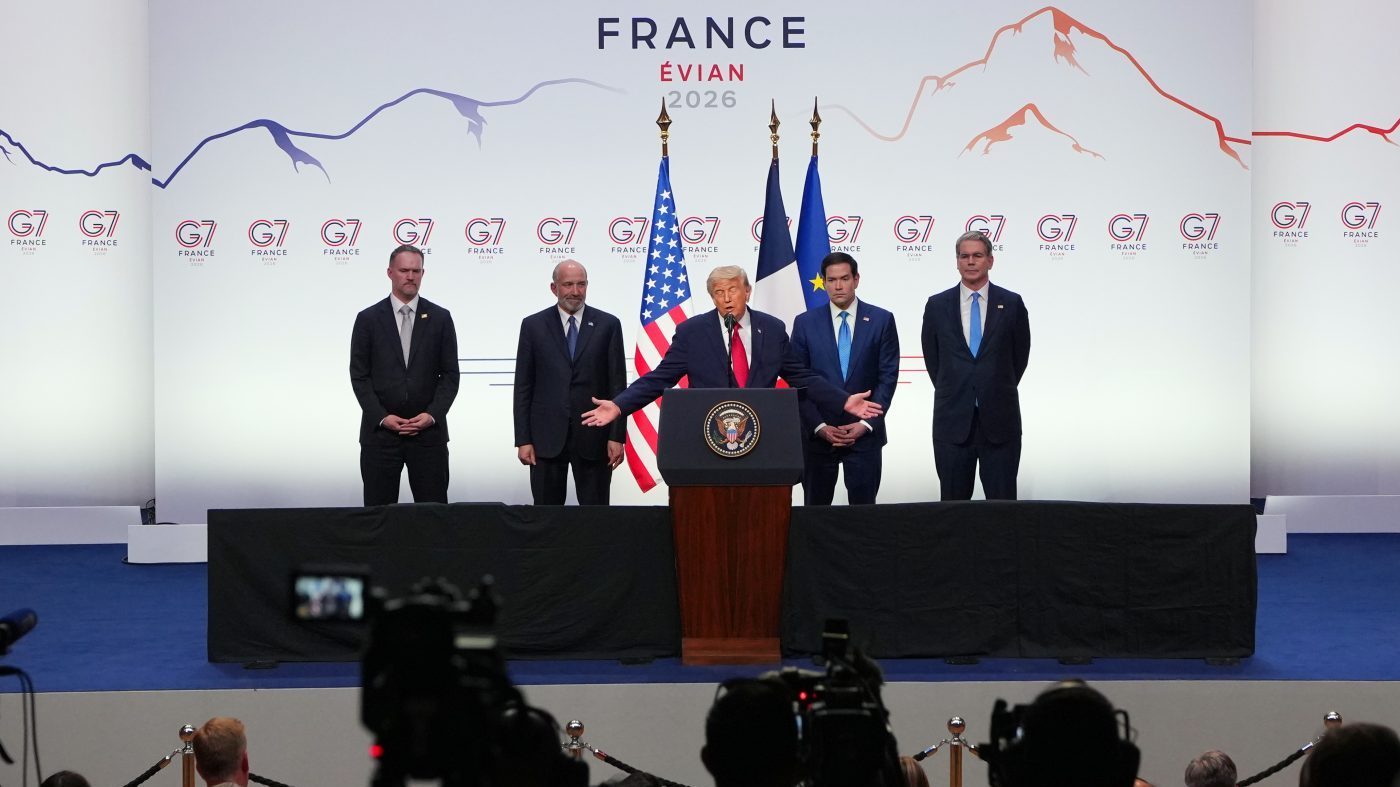
The president’s remarks came two days after he unveiled what he described as a sweeping trade and investment package with South Korea. Under the deal, Seoul would invest up to $200 billion in U.S. energy projects, including the long-delayed Alaska LNG pipeline, eight nuclear power plants, and a natural gas facility in Texas. In exchange, the U.S. would cut tariffs on South Korean goods to 15 percent. Trump specified that South Korea’s share for the pipeline alone would be $54 billion.
But South Korean officials quickly pushed back, signaling that the announcement overstated the level of commitment. President Lee Jae Myung wrote on social media that the Alaska LNG project would move forward only if its financial viability is confirmed and if it complies with South Korean legal procedures.
Industry Minister Kim Jung-kwan was more blunt, telling The Wall Street Journal that “putting out figures, or using definitive language, goes far beyond what was agreed.”
The episode underscores the delicate balance Trump faces as he seeks to parlay trade pressure into major energy investments—a strategy that has become a hallmark of his economic agenda. The Alaska LNG project, envisioned as a way to monetize the state’s vast North Slope gas reserves, has been discussed for years but has struggled to attract financing. South Korea’s state-run Korea Gas Corp. has been seen as a potential anchor buyer, but no final investment decision has been made.
The White House has not released a formal text of the agreement, leaving unclear whether Seoul’s commitments are binding or contingent. Trump’s threat to double tariffs suggests he views the announcement as a done deal, but Seoul’s cautious language indicates it sees the talks as ongoing.
The dispute also comes amid broader tensions over Trump’s tariff policies, which have unsettled allies and drawn criticism from some Republicans. As Trump stumps in Alabama and faces disappointing jobs data, his focus on touting investment wins may be aimed at projecting economic strength. But the pushback from Seoul could complicate that narrative.
For now, the two sides appear to be talking past each other. Trump says South Korea was “represented” at the announcement; Seoul says the numbers and terms are still being negotiated. Whether the Alaska pipeline ultimately gets built—and who pays for it—remains an open question.