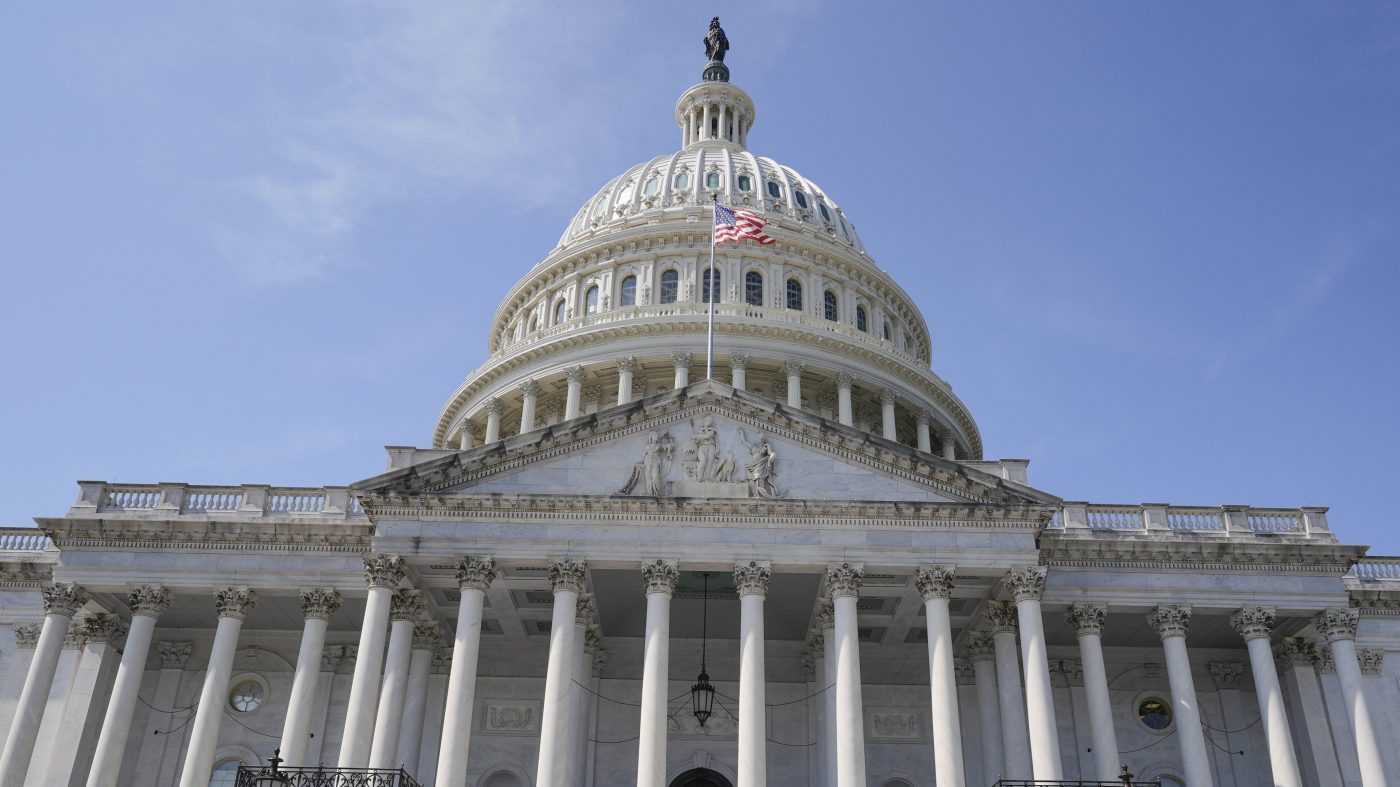
A fresh Gallup survey reveals that American voters hold their elected leaders in remarkably low esteem when it comes to personal bravery. Only 4% of respondents named elected officials in the U.S. government as a group they most associate with courage—a figure that ties with social media influencers and barely outpaces business leaders and athletes, who each drew 2%.
The poll, released Wednesday, asked a representative sample of Americans to choose from a list of 16 groups—including first responders, scientists, teachers, and the average American—which three they most linked to courage, defined as “deciding to do what’s right in the face of personal cost.” They were also asked which three they least associated with the trait.
First responders topped the courage rankings at 60%, followed by military personnel at 41% and nurses at 27%. Elected officials, by contrast, were the most frequently cited as least courageous: 54% of respondents placed them in that category, the highest negative response for any group.
Distrust Extends Beyond Courage
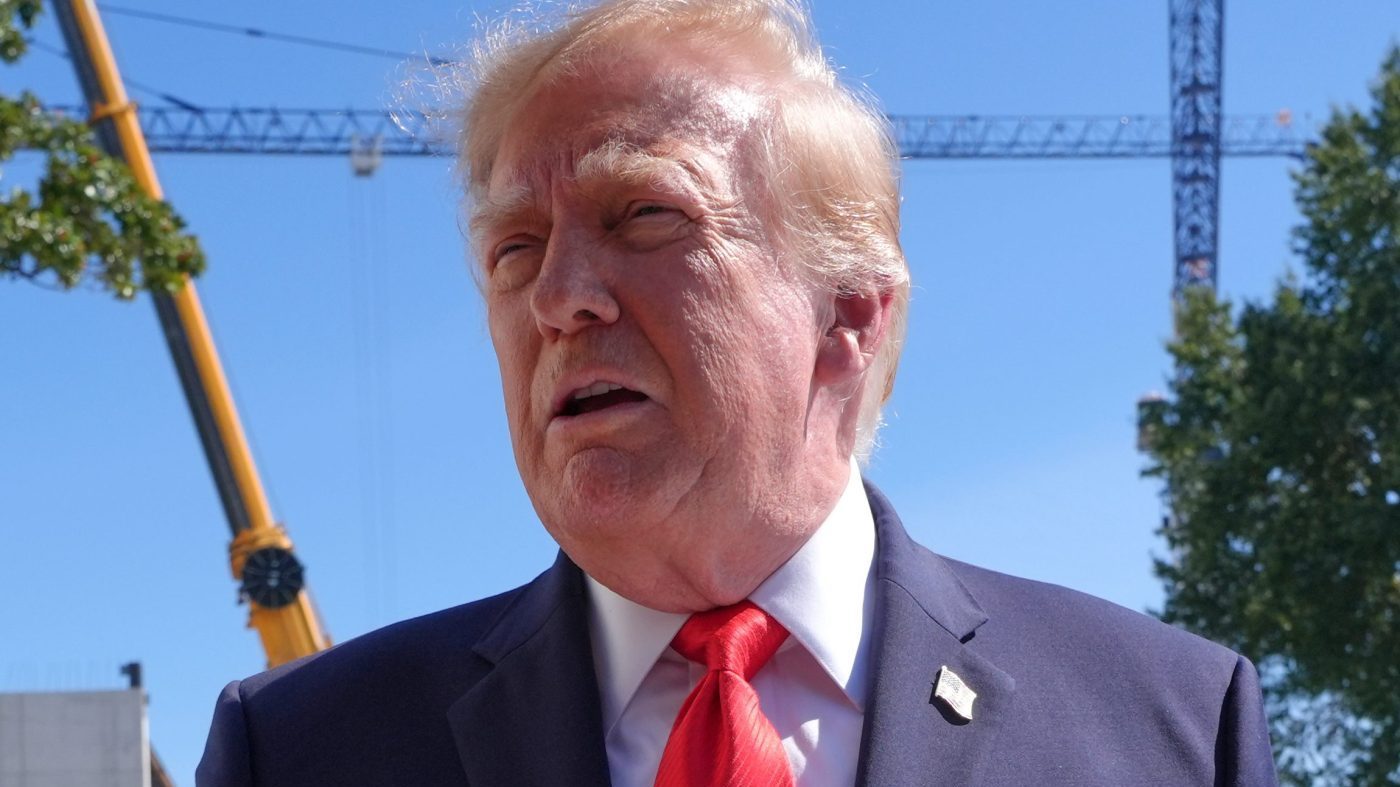
The findings arrive amid broader public skepticism about political leadership. President Trump’s approval rating stood at 37.5% as of Thursday evening, according to aggregators, after dipping to a career-low 32% last week. Congressional Republicans are also facing headwinds, with Democrats showing unexpected strength on the generic ballot and in some traditionally red or purple states ahead of November’s midterms.
This erosion of confidence is not limited to one party. Trust in media is also split along partisan lines, with Republicans’ confidence rebounding while Democrats’ has hit a record low, according to a separate Gallup analysis. Such divisions underscore the deep polarization shaping public perceptions of institutions.
Polling Details
The Gallup survey was conducted May 12–22, with 3,199 respondents and a margin of error of ±2.1 percentage points. The results come as voters express frustration with lawmakers who defy their own party leadership, a dynamic that has complicated legislative agendas and further dented public faith in elected officials.
Political observers note that the perception of courage—or its absence—can have tangible electoral consequences. Party leaders threatening discipline over defections may only reinforce the idea that politicians prioritize loyalty over principle, analysts say.
While the poll does not measure specific policy approval, it reflects a broader mood of disillusionment. Federal workforce cuts have also hit the D.C. region hard, adding to a sense that government actions are not aligned with public interests.
Gallup’s findings are consistent with long-term trends: trust in government has been near historic lows for over a decade. The latest numbers, however, highlight a particularly stark contrast between how Americans view those who serve in uniform or emergency roles and those who hold elected office.
“This is a damning indictment of the political class,” said one political analyst, speaking on condition of anonymity. “When more people associate influencers with courage than elected leaders, something has gone deeply wrong.”
The survey also comes as international leaders prepare to address the United Nations General Assembly, with Iran, Ukraine, and Venezuela on the agenda—a reminder that courage on the world stage is often measured differently than at home.