New York — The United Nations General Assembly's high-level debate continues Wednesday with a slate of leaders whose nations are at the center of global crises. Iranian President Masoud Pezeshkian, Ukrainian President Volodymyr Zelensky, and Venezuelan leader Delcy Rodriguez are scheduled to address the forum, a day after President Trump's headline-making appearance.
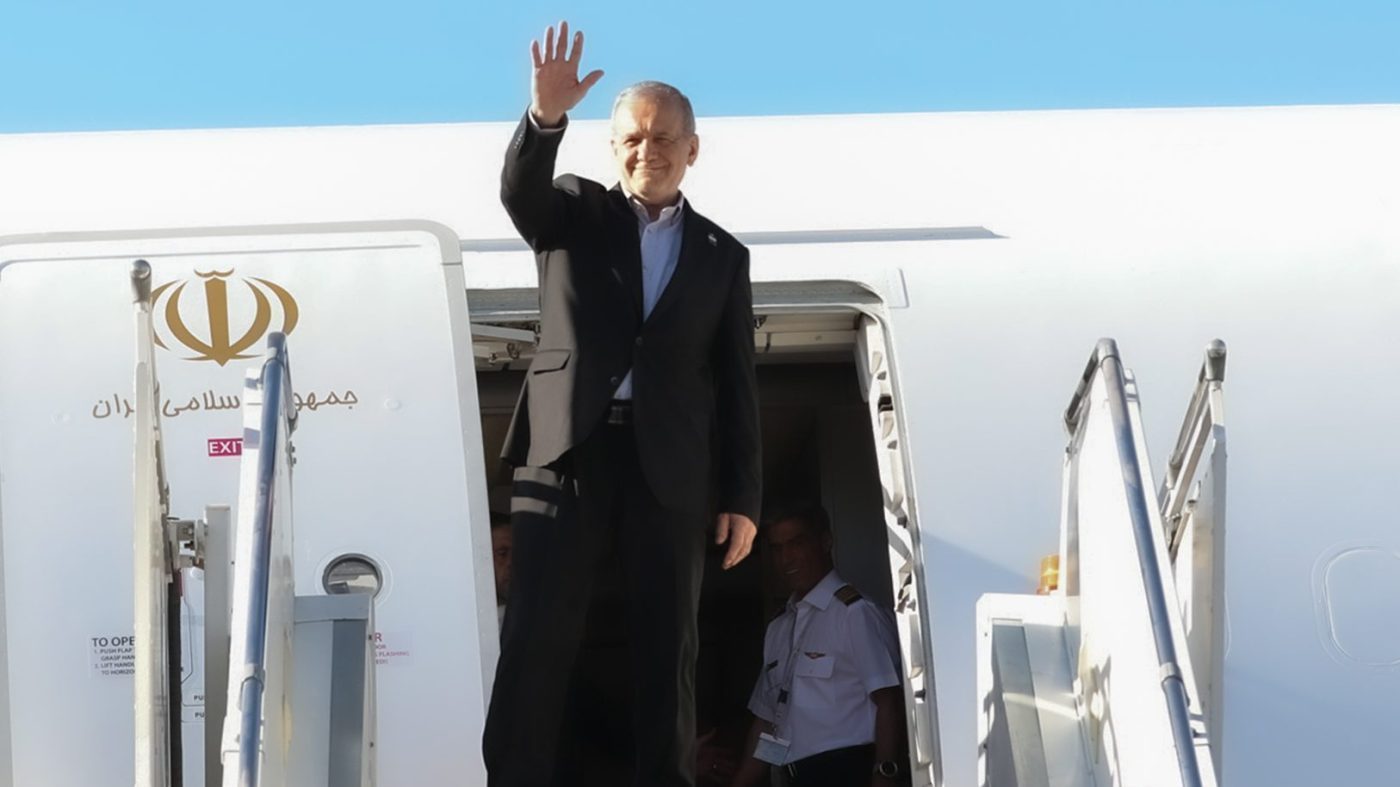
Pezeshkian's remarks come as the U.S. military campaign in the Middle East approaches its seventh month. On Tuesday, Iranian and American officials held indirect talks on the sidelines of the UNGA, according to sources familiar with the discussions, as the administration weighs its next moves in the conflict. The State Department issued special visas to Pezeshkian and Foreign Minister Abbas Araghchi to attend the annual summit, a routine but notable step given the ongoing tensions.

Zelensky's address follows a series of diplomatic engagements in New York, including a separate meeting with Trump after the president's speech. The Ukrainian leader's appearance underscores the continued urgency of securing Western support as Russia and Ukraine trade deadly overnight strikes. His presence at the UN comes amid reports of impromptu talks between CIA chief and Zelensky during a stopover in Shannon, Ireland, signaling that high-level backchannel diplomacy remains active.
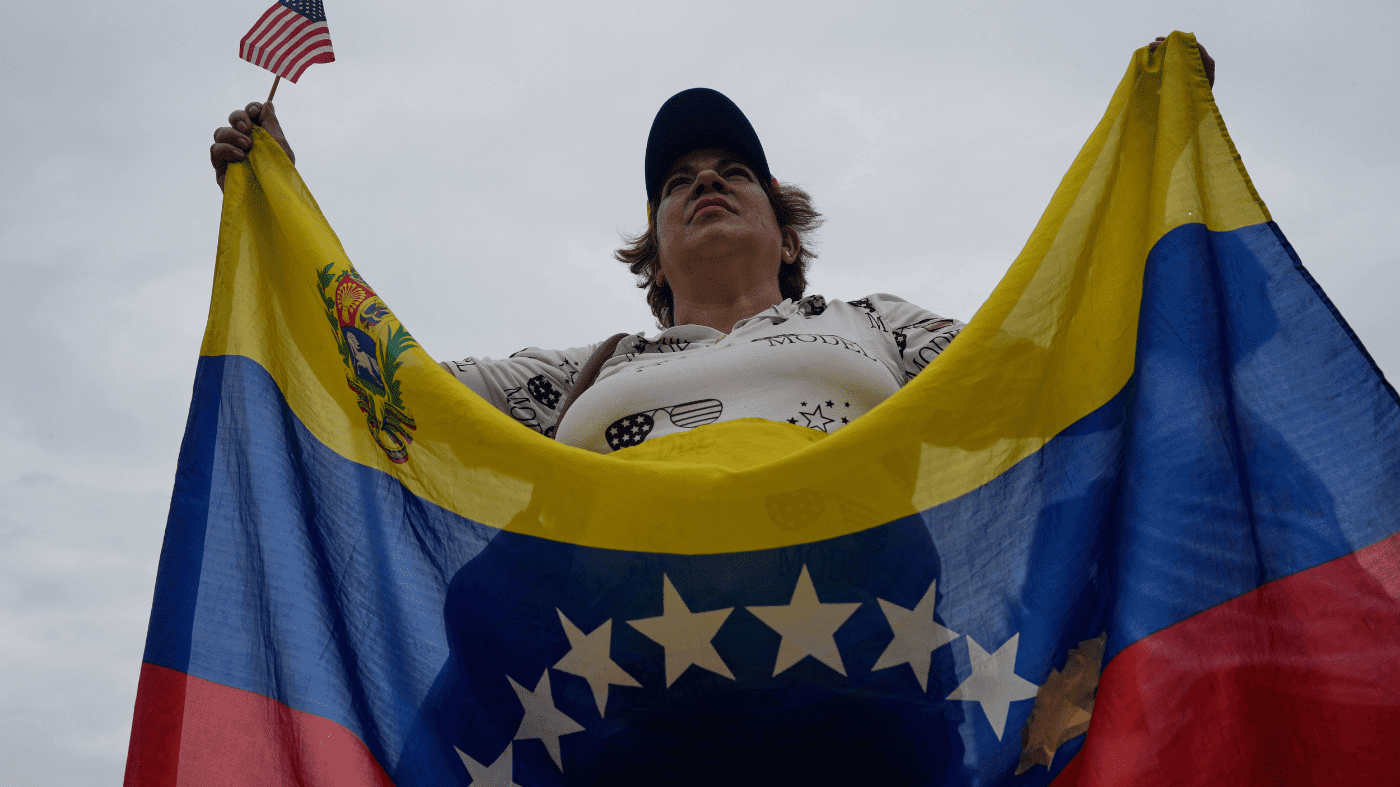
Venezuela's Rodriguez, who serves as vice president and is often the regime's key envoy, is expected to use the platform to criticize U.S. sanctions and call for international solidarity. Her appearance comes as Washington faces renewed scrutiny over its handling of Venezuelan migrants, with local leaders in Austin demanding a probe into the ICE shooting of a Venezuelan man, a case that has inflamed tensions.
The General Assembly's general debate, which began Tuesday, is a rare moment for direct dialogue between adversaries. Trump's own address on Tuesday included a controversial proposal to rename artificial intelligence "Super Intelligence," a move that drew mixed reactions, and a stark warning to Iran, offering either "annihilation or a deal." His comments set the stage for Pezeshkian's response.
Diplomats say the indirect U.S.-Iran talks, which were held through intermediaries, focused on de-escalation and the potential for a prisoner exchange, though no breakthrough was announced. The talks are part of a broader effort to manage the conflict that has drawn in regional militias and raised fears of a wider war.
Zelensky's schedule also includes meetings with European allies and a private session with U.S. lawmakers. His address is expected to reiterate calls for more air defense systems and long-range weapons, as Ukraine faces relentless Russian attacks on its energy grid and civilian infrastructure.
Rodriguez, who has been sanctioned by the U.S., is likely to highlight the impact of sanctions on Venezuela's economy and accuse Washington of hypocrisy on human rights. Her presence at the UNGA is a reminder of the ongoing political standoff between the Maduro government and the opposition, which has seen no resolution despite years of international mediation.
The forum resumes at 9 a.m. EDT, with leaders scheduled to speak throughout the day. The session is being webcast live, allowing global audiences to follow the speeches in real time.
As the world watches, the UNGA provides a rare stage for leaders to address both their domestic audiences and the international community, offering a glimpse into the diplomatic maneuvering that will shape the coming months.