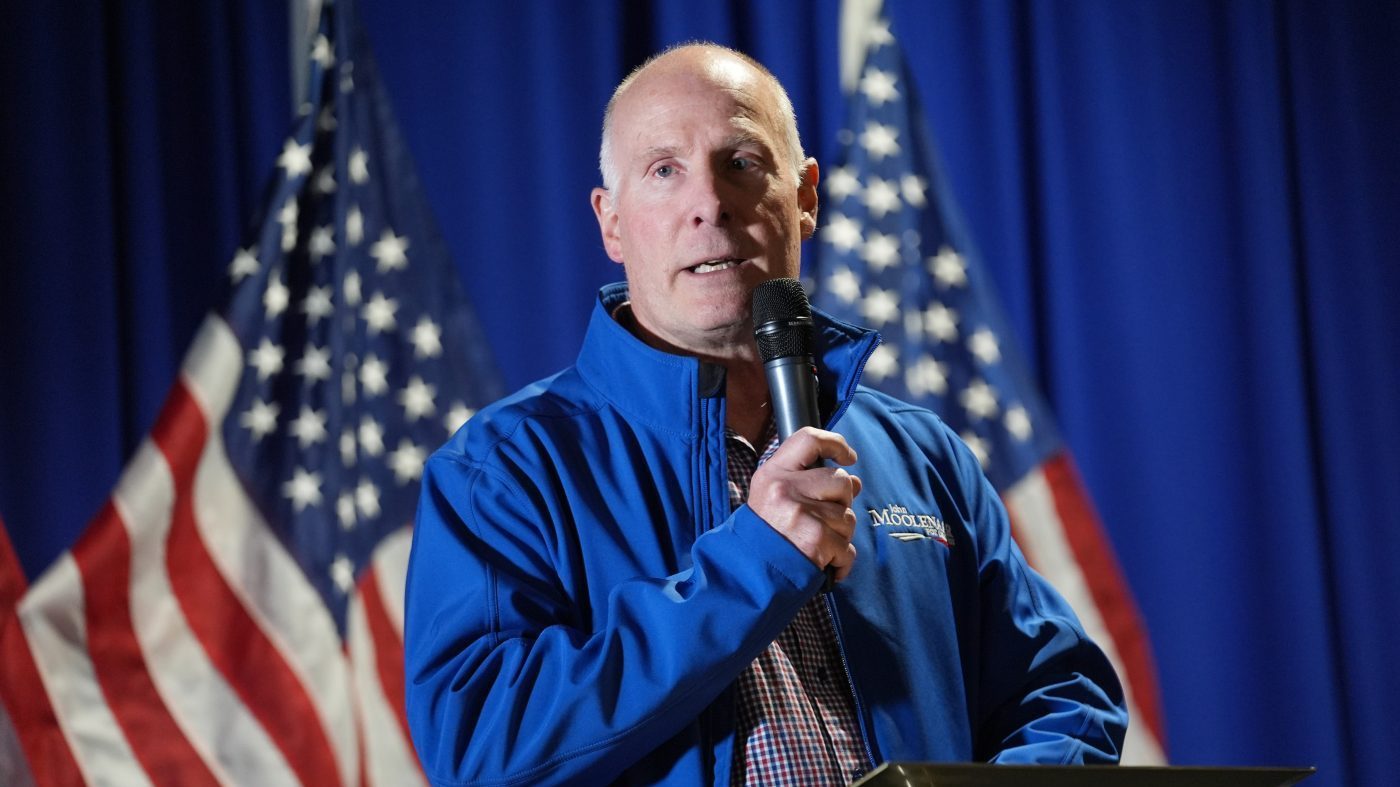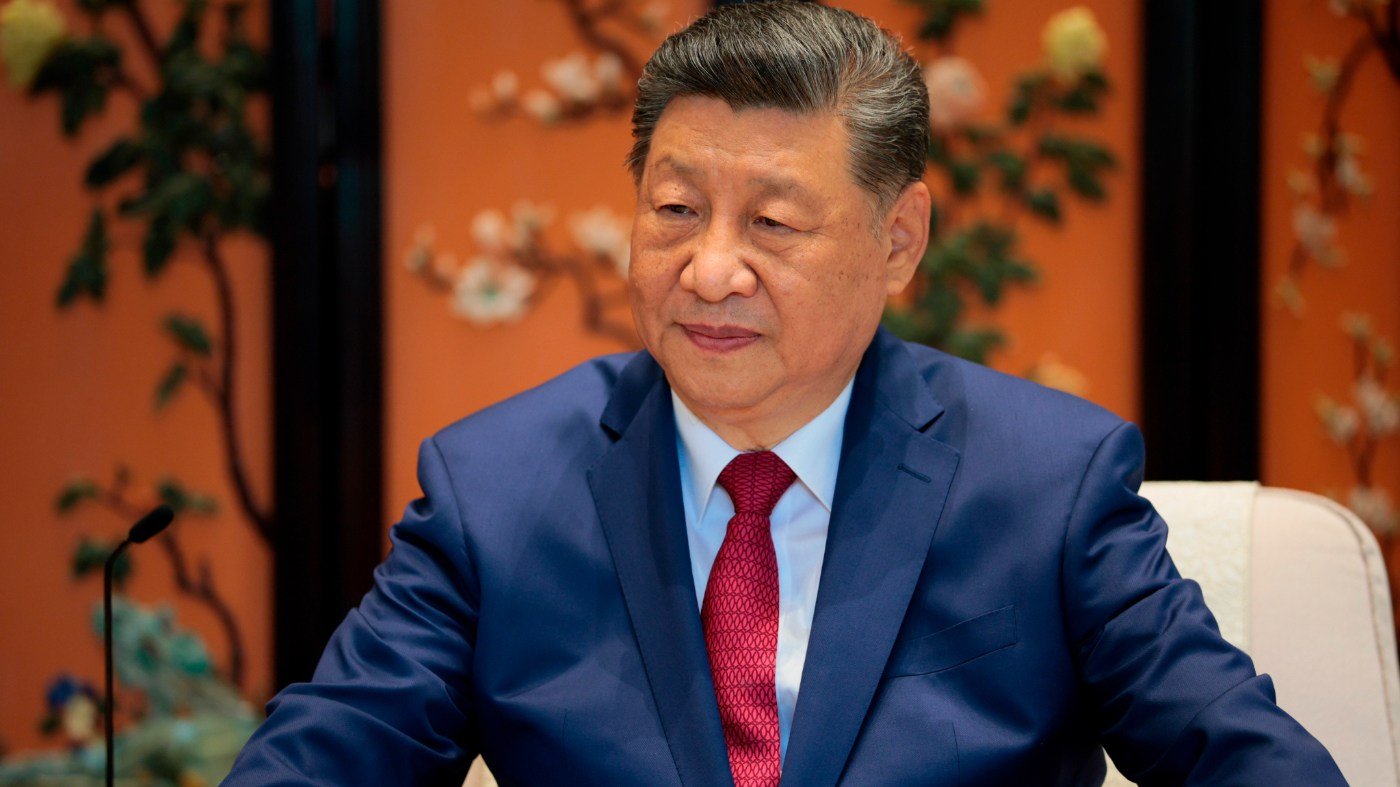
Reports have emerged that officials from China, Russia, and the United States are in discussions about holding a trilateral meeting on the sidelines of the upcoming APEC summit in Shenzhen, scheduled to begin November 18. Such a gathering would bring together Xi Jinping, Vladimir Putin, and President Trump, raising comparisons to the Yalta Conference of 1945, where Allied leaders redrew the map of Europe and paved the way for Soviet domination of Eastern Europe.
Some analysts now worry that a modern-day 'bad Yalta' could see the three leaders dividing Ukraine without its consent. However, not everyone is pessimistic. Blaine Holt, a retired U.S. Air Force general and former deputy military representative to NATO, told me that 'the good news is that the leaders of the three most powerful nations will sit down to discuss the most pressing issues in our very troubled world.'
Moscow has confirmed that 'work is under way' to arrange the meeting, and Beijing has acknowledged being 'in communication with relevant parties.' For Russia, the benefits are clear: participation would elevate its status, break its diplomatic isolation, and potentially drive a wedge between Washington and Europe. Eva Seiwert, writing in The Diplomat, noted that it would also provide a platform for Moscow's narrative of Western threats.
President Trump appears enthusiastic about the idea, having pushed for nuclear arms reduction talks and long sought to broker peace in Ukraine. He has not ruled out discussing the conflict during such a meeting. But Beijing's enthusiasm is notably cooler. German President Frank-Walter Steinmeier, after meeting Xi in late October, said the Chinese leader had 'absolutely no preparation under way' for a Ukraine-focused summit. Xi reportedly insisted that Ukraine is a European conflict and that Europeans must be at the negotiating table.
Despite Xi's framing, China is hardly a neutral party. Beijing has financed Russia's war effort, provided diplomatic and propaganda cover, supplied weapons components, and even allowed its citizens to fight as mercenaries. There are reports of PLA officers in Russia and Russian soldiers training on Chinese soil. China's foreign minister, Wang Yi, told EU foreign affairs chief Kaja Kallas in July that Beijing does not want Russia to lose because that would free the U.S. to focus on Asia.
As Andrew Michta of the Atlantic Council observed, Asia and Europe are inseparable, and Taiwan's fate may well be decided on the battlefields of Eastern Europe. Xi, however, may find it difficult to control the conversation once the door closes. 'We hear Xi Jinping say any mention of the Ukraine war is off the table,' Holt said. 'But what happens when the door closes and it's just the three of them and their interpreters? Pragmatism will take over.'
Xi has every reason to avoid a high-profile trilateral that could overshadow APEC. Beijing wants to showcase its economic leadership and promote openness, innovation, and cooperation. The Chinese leader needs the world to focus on his narrative of success, especially amid signs of economic downturn and social fraying. He does not need Putin and Trump hijacking the spotlight with talk of war.
For more on related diplomatic maneuvers, see Melania Trump's role in hosting ceasefire talks and Trump's shifting priorities in the Senate.