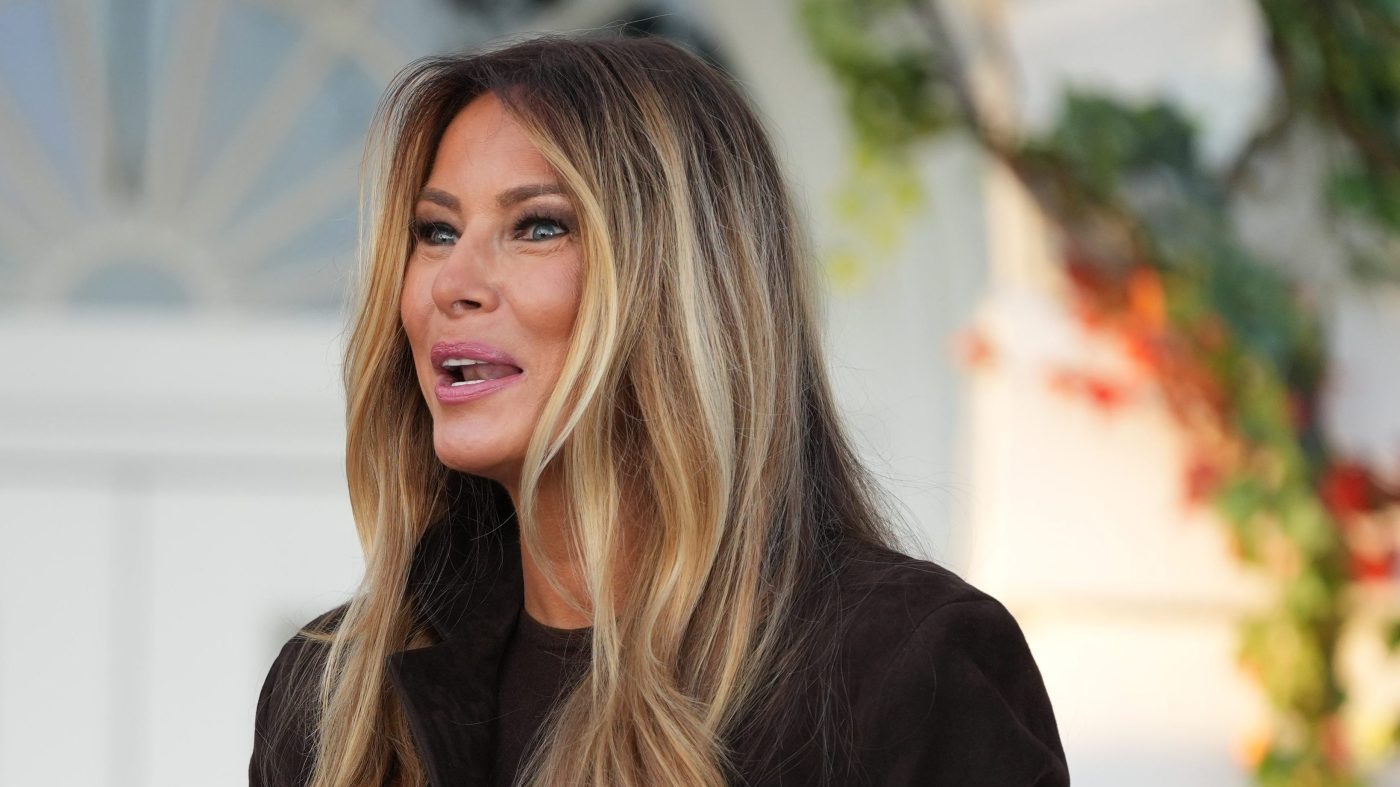
First lady Melania Trump is hosting senior Russian and Ukrainian officials at the White House on Thursday, a diplomatic step that follows her personal involvement in brokering a temporary halt to hostilities in a contested region. The meeting, set to begin at 11 a.m. EST, is part of a broader push to de-escalate a conflict that has now stretched into its fifth year.
The six-day pause in fighting, negotiated late last month in the Russian-occupied city of Oleshky, allowed humanitarian convoys to reach besieged civilians and facilitated the evacuation of hundreds of residents. That localized ceasefire, while limited in scope, has been described by administration aides as a confidence-building measure that could pave the way for more substantive negotiations.
Thursday's gathering comes just days before another round of U.S.-mediated peace talks are scheduled to take place. Ukrainian President Volodymyr Zelensky has voiced cautious optimism that the upcoming discussions might lead to a trilateral summit involving President Trump and Russian President Vladimir Putin, which would mark a significant escalation in diplomatic efforts to end the war.
Melania Trump's role in the ceasefire talks has drawn attention, as first ladies typically do not engage directly in foreign policy negotiations. However, her involvement is consistent with the administration's unconventional approach to diplomacy, which has often relied on personal relationships and high-profile summits rather than traditional diplomatic channels.
The White House has not released a detailed agenda for Thursday's meeting, but officials familiar with the planning say the focus will be on expanding the humanitarian pause and establishing a more durable framework for de-escalation. The presence of both Russian and Ukrainian officials in the same room is itself notable, given the deep mistrust that has characterized their interactions since the conflict began.
Analysts note that the localized ceasefire in Oleshky, while modest, represents one of the few tangible successes in recent months. The region has seen intense fighting, and the ability to deliver aid and evacuate civilians has been a priority for humanitarian organizations. The six-day pause was brokered directly by the first lady's office, which has been quietly working on the issue since early this year.
The upcoming peace talks are expected to address broader issues, including territorial disputes, security guarantees, and the status of occupied territories. Zelensky has repeatedly stated that any lasting peace must include the full restoration of Ukraine's territorial integrity, while Moscow has insisted on its own security demands. The gap between the two sides remains wide, but the fact that they are willing to engage in dialogue, even indirectly, is seen as a positive signal.
Political observers are watching the developments closely, particularly in light of the political fallout from the midterm elections, which has complicated the administration's foreign policy agenda. With a divided Congress, the White House may face challenges in securing additional funding for Ukraine or implementing any peace agreement that requires legislative approval.
Despite these obstacles, the administration appears committed to pursuing a diplomatic solution. The first lady's involvement, while unusual, underscores the personal stake that the Trump family has taken in ending the conflict. Whether this will translate into a lasting peace remains to be seen, but Thursday's meeting is a step in that direction.
As the world watches, the White House is expected to release a statement following the talks. The outcome could set the tone for next week's negotiations, which many hope will bring an end to a war that has caused immense suffering and instability across the region.