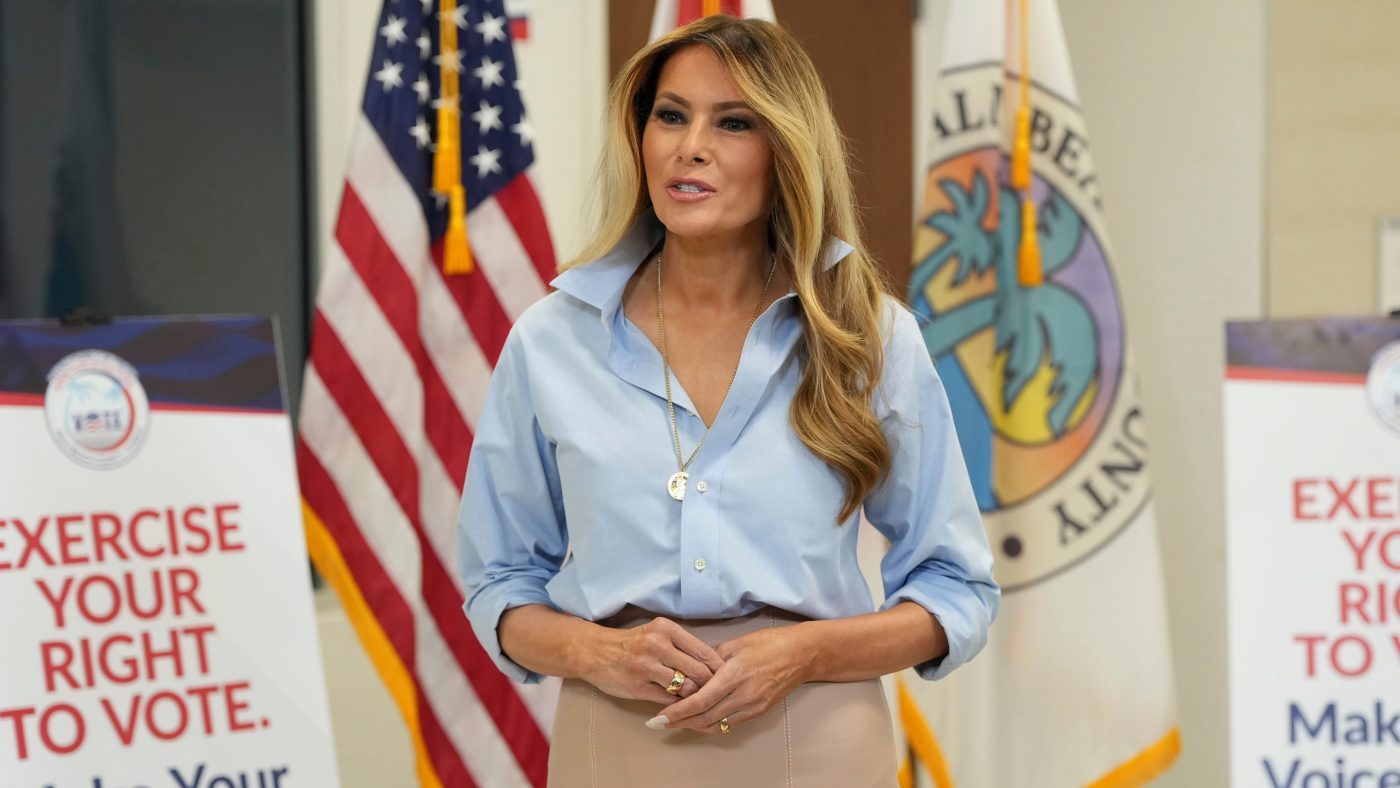
First lady Melania Trump is set to host representatives from Russia and Ukraine at the White House on Thursday to discuss the localized ceasefire in the frontline city of Oleshky that she helped secure late last month. Her remarks are expected around 11 a.m. EST, according to the White House schedule. The meeting comes amid broader uncertainty over the Trump administration's foreign policy approach, particularly regarding Ukraine, as questions have been raised about U.S. support for Kyiv.
Meanwhile, two days after Election Day, the political landscape remains unsettled. Two Senate races have yet to be called, along with several dozen House contests. In Mississippi, the race between Republican Senator Cindy Hyde-Smith and Democrat Scott Colum is still too close to call. If a recount becomes necessary, the state lacks a formal mechanism for federal races, which could create legal challenges and prolong the outcome.
The Trump administration and Republican leadership are regrouping after losing control of both the House and Senate. The White House posted an emotional video on social media Wednesday evening, captioned, “Lock in, patriots. We’ve only just begun.” The message appears aimed at rallying supporters despite the electoral setbacks. Some GOP figures, including Florida Governor Ron DeSantis, have characterized the midterm losses as a clear rebuke of Trump and the Republican Congress, signaling potential intraparty friction ahead.
President Trump’s proposed arch is also on the agenda, with the National Capital Planning Commission scheduled to hold a final discussion at 1 p.m. The project, which has been a priority for the president, may receive final approval amid the political turbulence. The president is also expected to hold several policy meetings and a signing ceremony later in the day.
The meeting with Russian and Ukrainian representatives underscores the first lady’s unusual diplomatic role, which has drawn both praise and scrutiny. The ceasefire in Oleshky, a city near the front lines, was announced by the first lady after direct negotiations, a move that some analysts see as an attempt by the administration to demonstrate progress on Ukraine despite broader policy disagreements. However, Ukrainian President Volodymyr Zelensky has previously questioned the U.S. role in restrictions on Starlink services for the Ukrainian military, highlighting tensions in the relationship.
As the political fallout from the midterms continues, Democrats are mapping a multifront strategy to curb Trump’s agenda, with plans to use their new congressional majorities to investigate administration actions and block legislative priorities. The losses have also prompted speculation about Trump’s political future, with some suggesting that the midterm results signal a legacy crisis for the president.
In the aftermath of the election, all ten House Republicans who voted to impeach Trump after the January 6 attack are now out of Congress, either through retirement or primary defeats, underscoring the continuing influence of Trump loyalists in the GOP. Yet the party’s losses in swing districts have raised questions about the viability of Trump’s brand in national elections.
As the day unfolds, the White House is expected to project an image of normalcy, with the first lady’s diplomatic engagement and the president’s policy meetings taking precedence over the electoral setbacks. But the unresolved Senate races and the looming House contests ensure that the political drama is far from over.