Two days after Election Day, the political world is still waiting on final results in a handful of critical Senate contests, with Mississippi and Alaska emerging as the last unresolved battlegrounds. The outcomes will determine whether Democrats can pad their razor-thin majority in the upper chamber.
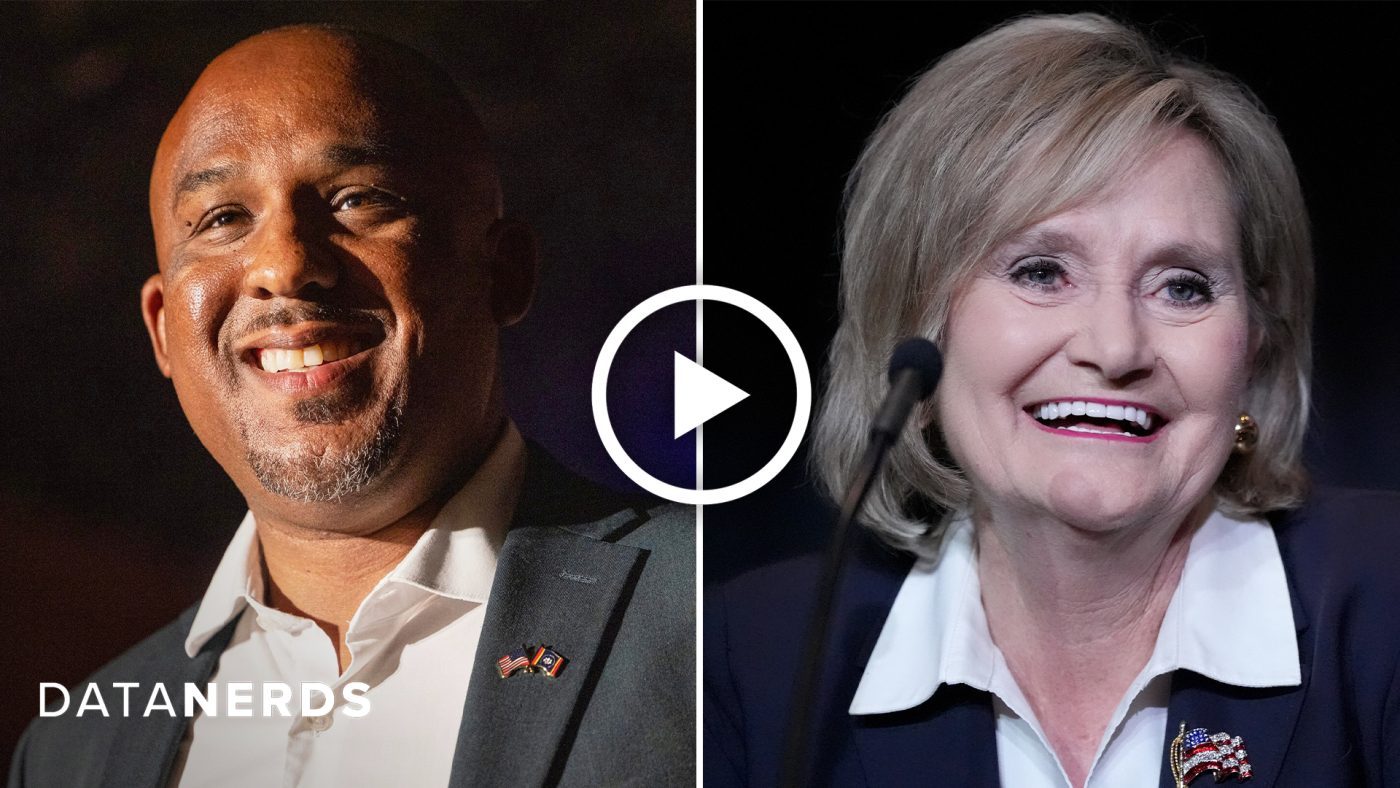
In Mississippi, the race between Democratic challenger Brandon Colom and Republican incumbent Senator Cindy Hyde-Smith remains too close to call. Colom holds a slim lead, but thousands of absentee and provisional ballots are still being counted. Notably, Mississippi has no automatic recount law, which could complicate matters if the margin stays within a razor-thin range. The state's election officials are working through the remaining ballots, but a final determination may take several more days.
Alaska's Senate race is also unresolved, with ranked-choice voting in play. Incumbent Republican Lisa Murkowski is facing a challenge from the right, and the tabulation process—which includes a second round of counting if no candidate clears 50%—is expected to stretch into next week. The delay has kept both campaigns in a holding pattern, though Murkowski expressed confidence in her reelection prospects during a brief statement to reporters.
The unresolved contests have put a spotlight on broader midterm trends. Democrats have already flipped several House seats in districts that were redrawn by Republicans in a redistricting gamble that appears to have backfired. That narrative has been bolstered by surprising wins in Washington state's 3rd District, where Marie Gluesenkamp Perez won reelection, and in Ohio, where Sherrod Brown pulled off a comeback against Republican Bernie Moreno in the special Senate election. These results have buoyed Democratic hopes of expanding their Senate majority, even as some incumbents in tougher states have struggled.
During a live discussion hosted by The Hill, senior vice president of editorial content Bill Sammon and Decision Desk HQ's chief elections analyst Geoffrey Skelley dissected the key races and their implications. Skelley noted that the uncalled races in Mississippi and Alaska are the last pieces of the puzzle, and that the final margins could trigger legal challenges or recounts—especially in Mississippi, where no statutory mechanism exists for a close race.
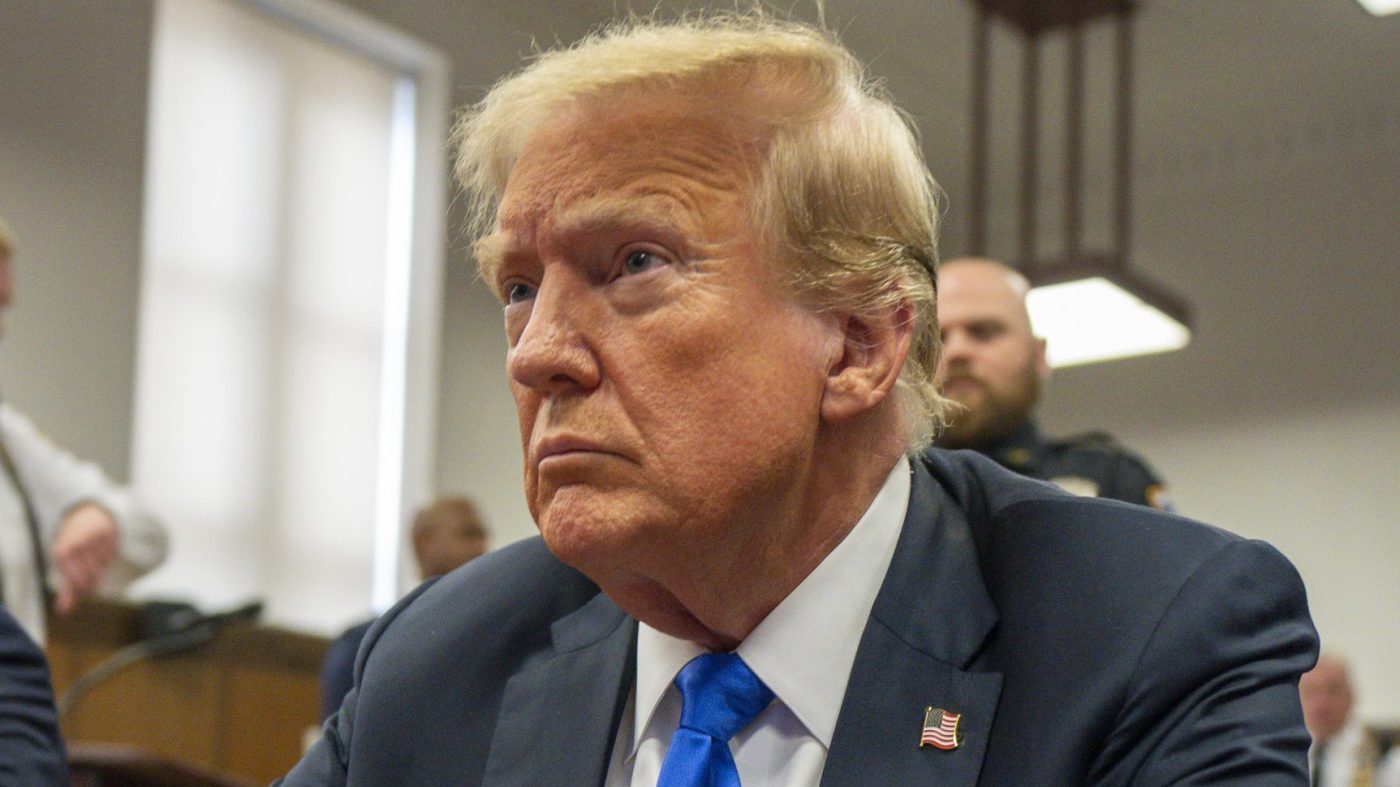
Meanwhile, the political landscape has been further complicated by President Trump's address from a White House construction site, where he weighed in on the election results and previewed his agenda for the next two years. His remarks have added another layer of unpredictability to the post-election period, particularly as Republicans grapple with internal divisions over the party's direction.
In Arkansas, voters approved a citizenship proof mandate for all state elections, a measure that could have nationwide reverberations as other states consider similar laws. That development, along with the ongoing Senate count, has kept political analysts busy parsing the electorate's mood.
For now, the focus remains on Mississippi and Alaska. Election officials in both states have pledged transparency and accuracy, but the wait is testing the patience of candidates and voters alike. As the counting continues, the balance of power in the Senate—and the trajectory of the next two years—hangs in the balance.