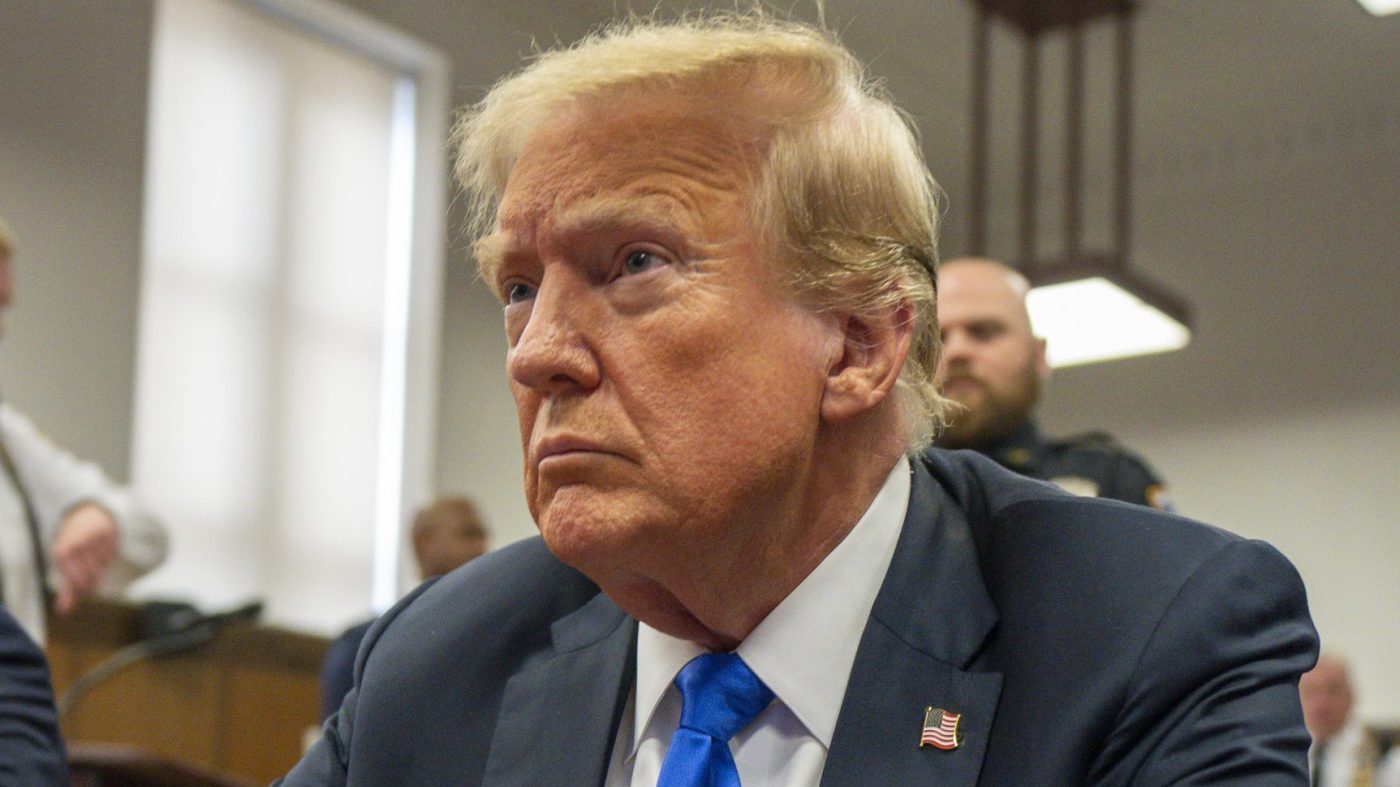
A five-judge panel on New York's Appellate Division, First Judicial Department, convened Thursday to hear oral arguments in President Trump's appeal of his felony conviction on 34 counts of falsifying business records. The case stems from a hush money payment made during the 2016 campaign, a matter that has continued to shadow his presidency.
Trump's legal team contends that the trial was tainted by the improper admission of evidence protected by presidential immunity, arguing that the prosecution's theory of the case is preempted by federal campaign finance law. They also assert that the trial judge should have recused himself and that flawed jury instructions undermined the verdict's integrity.
The appeal is a high-stakes legal maneuver, as a ruling against Trump could set the stage for further appellate review, potentially reaching the U.S. Supreme Court. Meanwhile, Trump has separately sought to move the case to federal court, though that effort has so far been unsuccessful, a development that reflects the broader legal challenges his administration faces.
During Thursday's arguments, Trump's lawyers emphasized the immunity issue, arguing that the jury was allowed to see evidence of official acts, which they say violates the Supreme Court's recent ruling on presidential immunity. Prosecutors, however, maintained that the evidence in question was purely personal and unrelated to Trump's official duties.
The panel's decision could have significant political implications, as the conviction remains a focal point for critics and a rallying cry for supporters. The case has also intersected with other political developments, including international diplomatic efforts and ongoing debates over executive power.
Trump, who was at the White House according to his daily schedule, did not attend the proceedings. His absence did little to dampen the intense interest in the case, which has drawn national attention.
Legal analysts note that the appellate court's ruling could hinge on the interpretation of state law regarding falsification of business records, a charge that is typically a misdemeanor but was elevated to a felony due to the intent to conceal another crime. The prosecution argued that the hush money payment was intended to influence the 2016 election, a claim Trump's team disputes.
Observers also point out that the appeal is part of a broader pattern of legal battles that have defined Trump's post-presidency, including civil and criminal cases in multiple jurisdictions. The outcome of this appeal could influence how similar cases are handled in the future, particularly regarding the scope of presidential immunity.
As the panel deliberates, both sides are bracing for a lengthy legal process, with potential appeals to the state's highest court and possibly the U.S. Supreme Court. For now, the focus remains on the appellate division's decision, which is expected in the coming weeks.