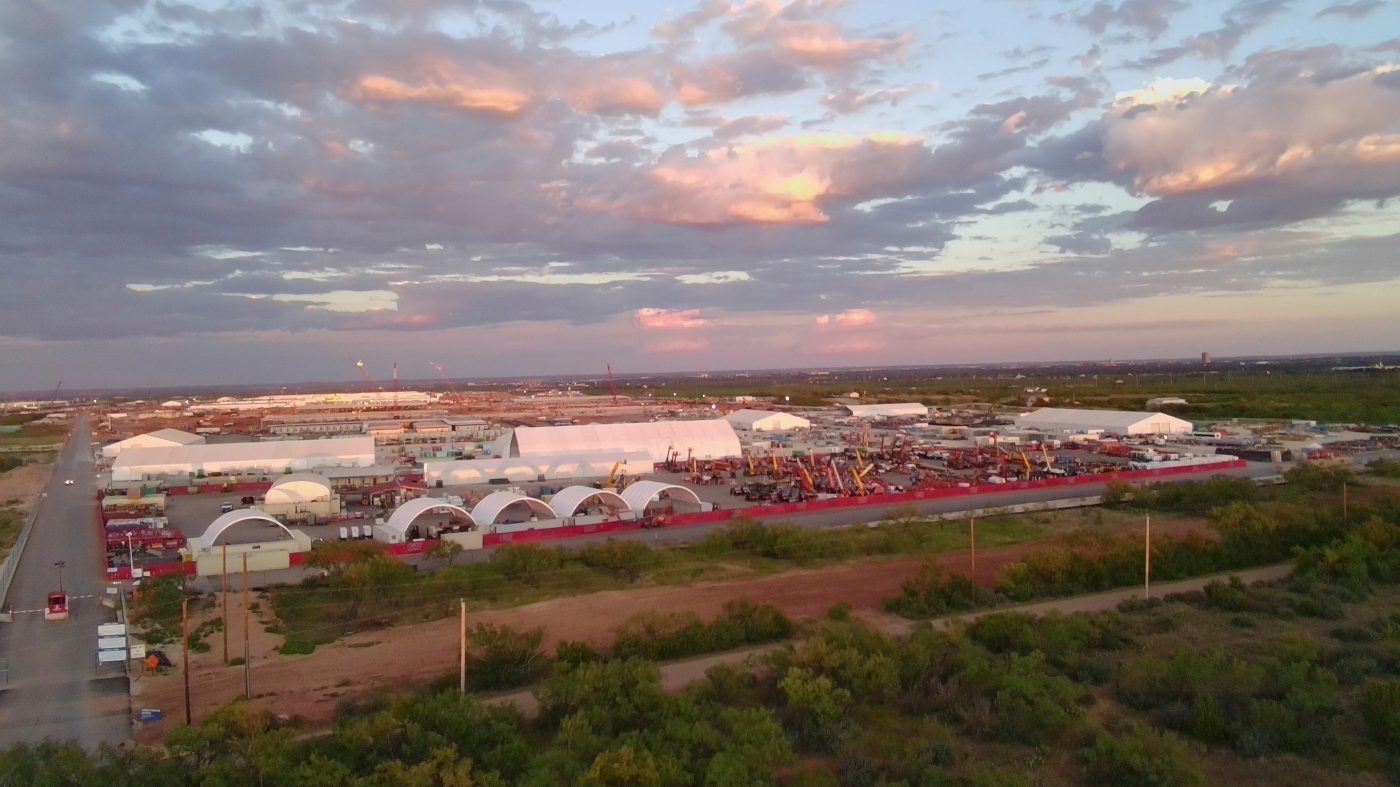
OpenAI on Thursday rolled out a new framework for constructing data centers, which it is now calling “compute campuses,” a move that comes as public opposition to the AI infrastructure boom intensifies. The ChatGPT maker said it would commit to paying for all electricity and infrastructure costs tied to its projects and provide financial guarantees if those projects are scaled back or scrapped.
The company also pledged to prioritize cooling systems that use closed loops or low water consumption, publish data on water and energy usage, and avoid non-disclosure agreements that have previously shielded details of data center deals from public scrutiny.

“The investments that help America compete globally can also help communities prosper locally,” OpenAI said in a press release. “That starts with giving residents a say while plans can still change and a way to hold developers accountable for delivering on their commitments.”
The announcement includes a policy blueprint urging companies to make voluntary commitments as “an important starting point” while calling on policymakers to establish “clear rules.” This follows a White House pledge signed by major tech firms, including OpenAI, in May, which committed to covering data center construction costs—though that agreement was non-binding.
OpenAI’s proposals largely mirror its own commitments. It suggests that state utility commissions should require large electricity consumers to bear the costs they add to the grid and protect other ratepayers if projects fall through. The firm also advocates for public reporting on water, energy, noise, and hiring, as well as limits on NDAs.
On the federal level, OpenAI is pressing Congress to expedite grid transmission upgrades and restore tax incentives for clean electricity. These moves are part of a broader effort to address the political fallout from data center expansion, which has become a contentious issue in recent elections.
The rebranding to “compute campuses” appears designed to soften the image of these facilities. However, the political climate remains tense. Tuesday’s elections highlighted the deep unpopularity of data centers, which played a role in Democratic victories in key races. Voters in dozens of ballot measures across the country also approved restrictions on data center construction.
This push for transparency comes as OpenAI faces legal challenges, including a lawsuit from Texas Attorney General Ken Paxton over alleged deceptive practices related to ChatGPT risks. The company’s new framework may be an attempt to preempt further regulatory and public backlash.
As the debate over AI infrastructure intensifies, House Democrats are targeting Republicans on AI and data centers in 31 key races, and Texas agriculture officials warn that data centers could cost the GOP midterms. The issue is also a flashpoint in state-level debates, as seen in a heated exchange between Bresnahan and Cognetti over data centers.