Russia launched a wave of missile and drone strikes across at least four Ukrainian regions overnight, killing five people, Ukrainian officials said Tuesday. In a parallel long-range operation, Ukrainian forces struck and damaged another Russian oil refinery, continuing a tit-for-tat campaign that has become a defining feature of the war even as front-line positions remain largely frozen.
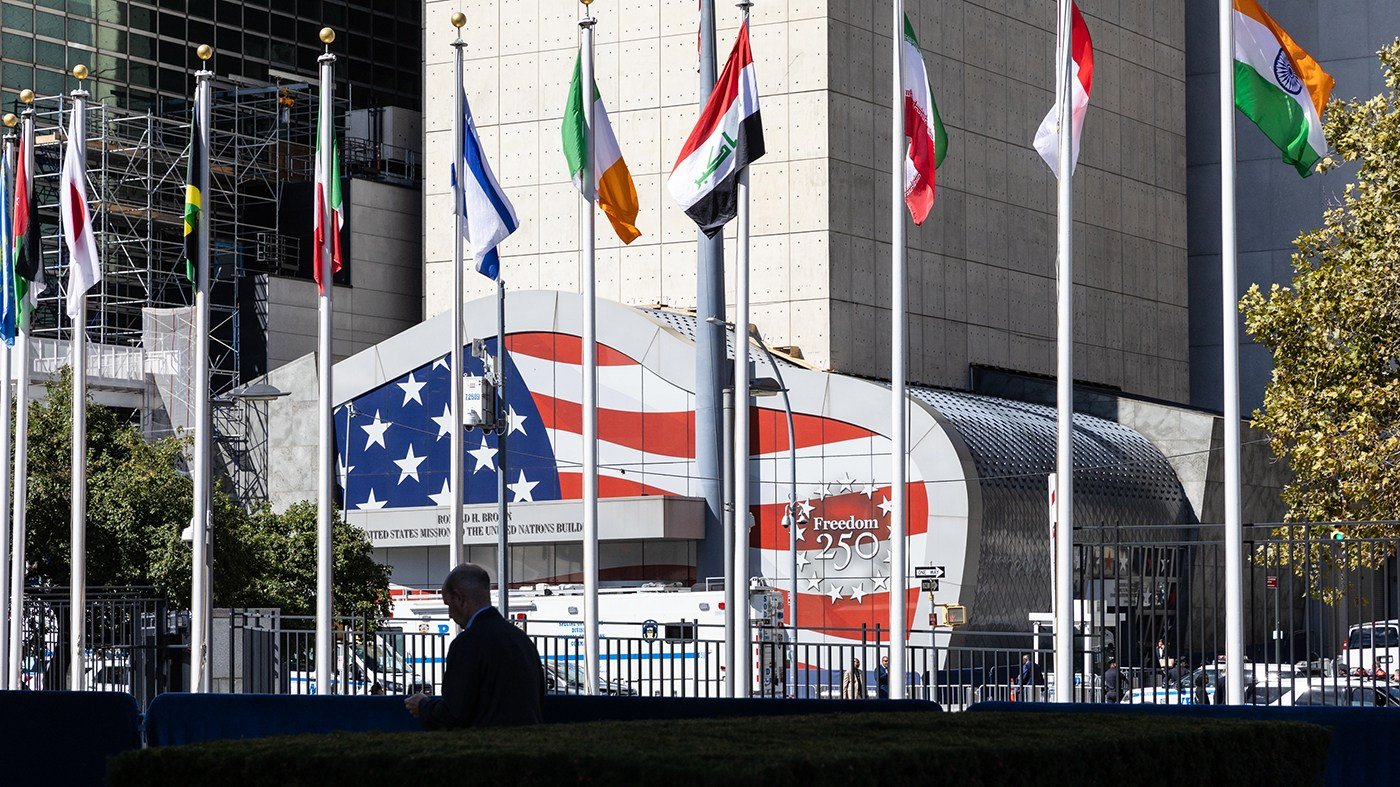
The attacks formed the grim backdrop to Ukrainian President Volodymyr Zelenskyy's visit to the United States, where he is scheduled to meet with other world leaders, including U.S. President Donald Trump, at the U.N. General Assembly in New York. Zelenskyy is seeking to enlist their support to end Russia's full-scale invasion, now in its fourth year. Russian President Vladimir Putin is not expected to attend the annual gathering.

Western officials estimate the war has killed more than 500,000 Russian troops, while Western analysts put Ukraine's military casualties at over 500,000, including as many as 140,000 deaths. The conflict has had far-reaching global consequences.
Ukraine's repeated strikes on Russian refineries—retaliation for Moscow's attacks on Ukraine's power grid—have contributed to international diesel shortages and price spikes, according to Trump. The global crunch has also been exacerbated by the Iran war, which curtailed oil shipments through the Strait of Hormuz. Zelenskyy also wants help ensuring the flow of Ukrainian grain and other agricultural products to world markets via the Black Sea, where Russian attacks on cargo vessels have severely disrupted exports, hurting Ukraine's economy and threatening global supplies.
Russia and Ukraine have in recent years accounted for roughly 30% of global wheat exports and 12% of corn exports, most of it shipped through the Black Sea. But last month, attacks slashed both countries' agricultural exports by two-thirds, Thomas de Waal of the Brussels-based think tank Carnegie Europe said in a report Tuesday. "The lack of that grain in world markets puts several African countries at risk of famine, while world cereal prices, already pushed up by the closure of the Strait of Hormuz, could rise even higher," the report said.
Zelenskyy arrived in New York with de-escalation proposals. French President Emmanuel Macron said Tuesday that France would provide Ukraine with additional radars to help protect its power grid. Macron said on social media that he discussed with Trump the possibility of a truce between Moscow and Kyiv on strikes against energy infrastructure and a "moratorium" on Black Sea attacks.
Zelenskyy began his visit by meeting with U.S. senators, thanking them for what he called strong bipartisan support for Ukraine and for recently passing a tougher Russian sanctions bill that Trump has signed into law. He said peace and security would be closer once the bill is fully implemented. On social media, Zelenskyy said he briefed senators on his proposals for de-escalation measures that he intends to discuss with Trump later Tuesday.
In Kyiv, Iryna Panina, 36, woke around 2 a.m. Tuesday as a jet-powered Russian drone approached her home. It blew out a window and left her apartment covered in wreckage. She said she has lost hope in leaders' peace efforts. "As an ordinary person just trying to live and survive each day, I find it hard to believe they fully understand what's actually happening, how hard it is, and how much ordinary people are suffering," she told The Associated Press.
Zelenskyy also plans to again press Trump to send more U.S.-made Patriot air defense systems that Kyiv desperately needs to stop Russia's ballistic missiles.
Ukraine's special forces said they struck the Kuibyshev oil refinery in Samara, southeast of Moscow, in an overnight attack. Several drones hit their targets, sparking a large fire at the facility, according to a statement. The refinery, owned by Rosneft, is a key fuel supplier for central Russia, producing gasoline, diesel, fuel oil and other petroleum products. Ukraine said it struck the same refinery last June. One person was killed and four others were wounded in the Samara attack, regional Gov. Vyacheslav Fedorishchev said. He said "the enemy targeted industrial facilities," but did not specify which ones.
Russia's Defense Ministry said Tuesday that its forces downed 297 Ukrainian drones over 14 Russian regions overnight, as well as over the illegally annexed Crimean Peninsula.
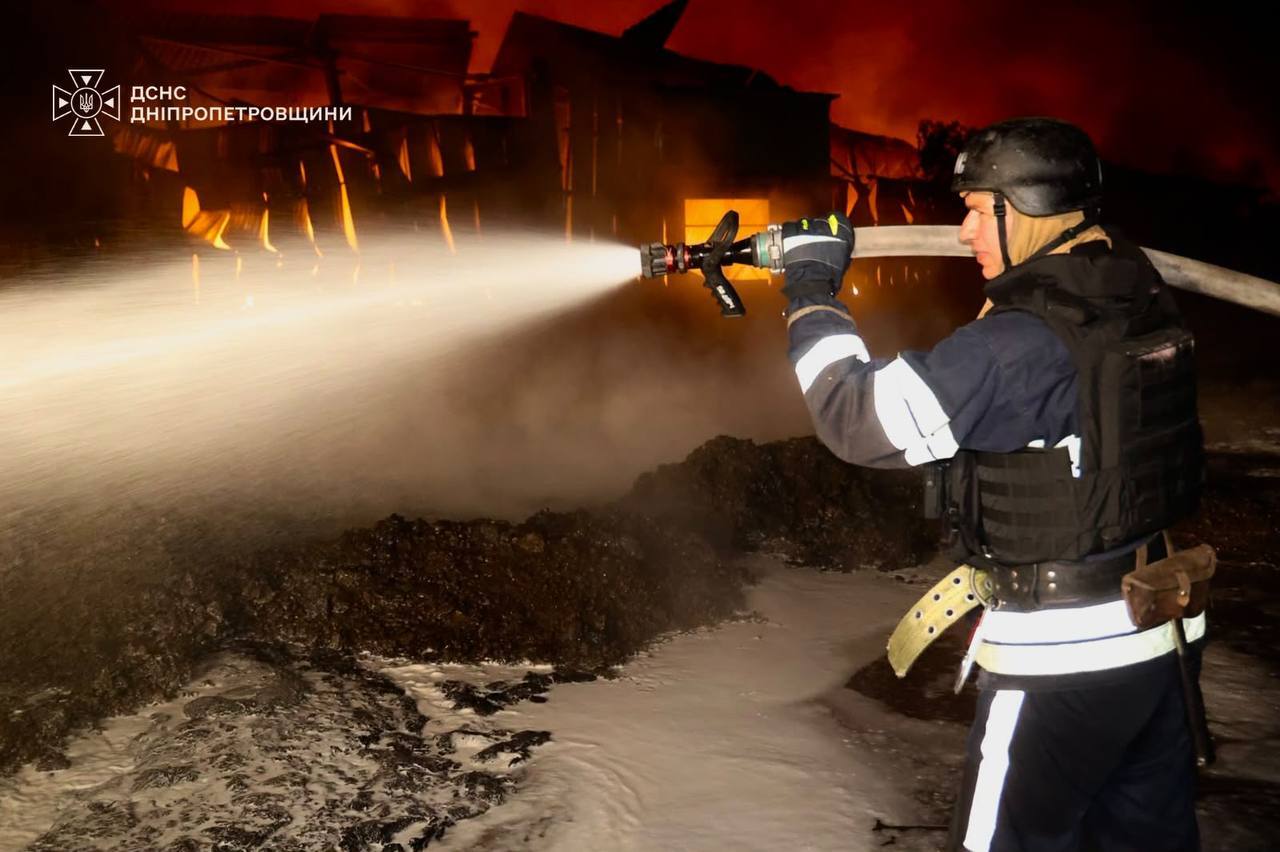
Russia's overnight attack on Ukraine included anti-ship missiles, ballistic missiles, cruise missiles and more than 200 drones, Ukraine's air force said. The strikes killed four people in the central Ukrainian city of Dnipro, said Oleksandr Hanzha, head of the Dnipropetrovsk regional military administration. A drone also killed a woman in the northern Sumy region, local police said. The strikes across Ukrainian regions damaged homes, businesses and storage facilities, wounding at least five people, authorities said. Five people were wounded in the capital, Kyiv, according to officials.
Russia's Defense Ministry said Tuesday that its forces struck metallurgical and chemical industries, the fuel and energy sector, and the military-industrial complex, as well as port infrastructure facilities in four regions of Ukraine. They included a Fire Point plant in Kyiv producing components for long-range cruise missiles and a tobacco factory in the central Poltava region used to make small arms ammunition, it said.