As the midterm elections loom, a growing cohort of House members who won't be returning to Washington next year are using their final weeks in office to upend the traditional legislative order. These lame-duck lawmakers, from both parties, are forcing votes on controversial impeachments, shepherding discharge petitions past leadership's objections, and openly defecting to the other side on key votes—all with an eye toward their own legacies rather than party loyalty.
The motivations vary widely: some are settling scores with leadership, others are pushing pet policies that previously stalled, and a few are simply enjoying the freedom of no longer facing voters. But the common thread is a willingness to break ranks, and that's creating fresh headaches for leaders in both chambers as they prepare for the post-election session, when Congress must tackle government funding and other must-pass items.

In the Senate, this dynamic has already earned a nickname: the YOLO Caucus. Departing GOP senators like John Cornyn of Texas and Bill Cassidy of Louisiana, both of whom lost primaries to Trump-backed challengers, along with Thom Tillis of North Carolina, who announced his retirement after clashing with the president over his signature economic bill, are now voting with a newfound independence.
But the most immediate challenge for House GOP leaders comes when Congress reconvenes on Nov. 9. That's when Representative Thomas Massie of Kentucky, a frequent critic of President Trump who lost his primary to a MAGA-aligned opponent, plans to force a vote on his eight articles of impeachment against Defense Secretary Pete Hegseth. Half of those articles relate to the Pentagon's handling of the Iran conflict, which Massie has long argued is illegal without congressional approval.
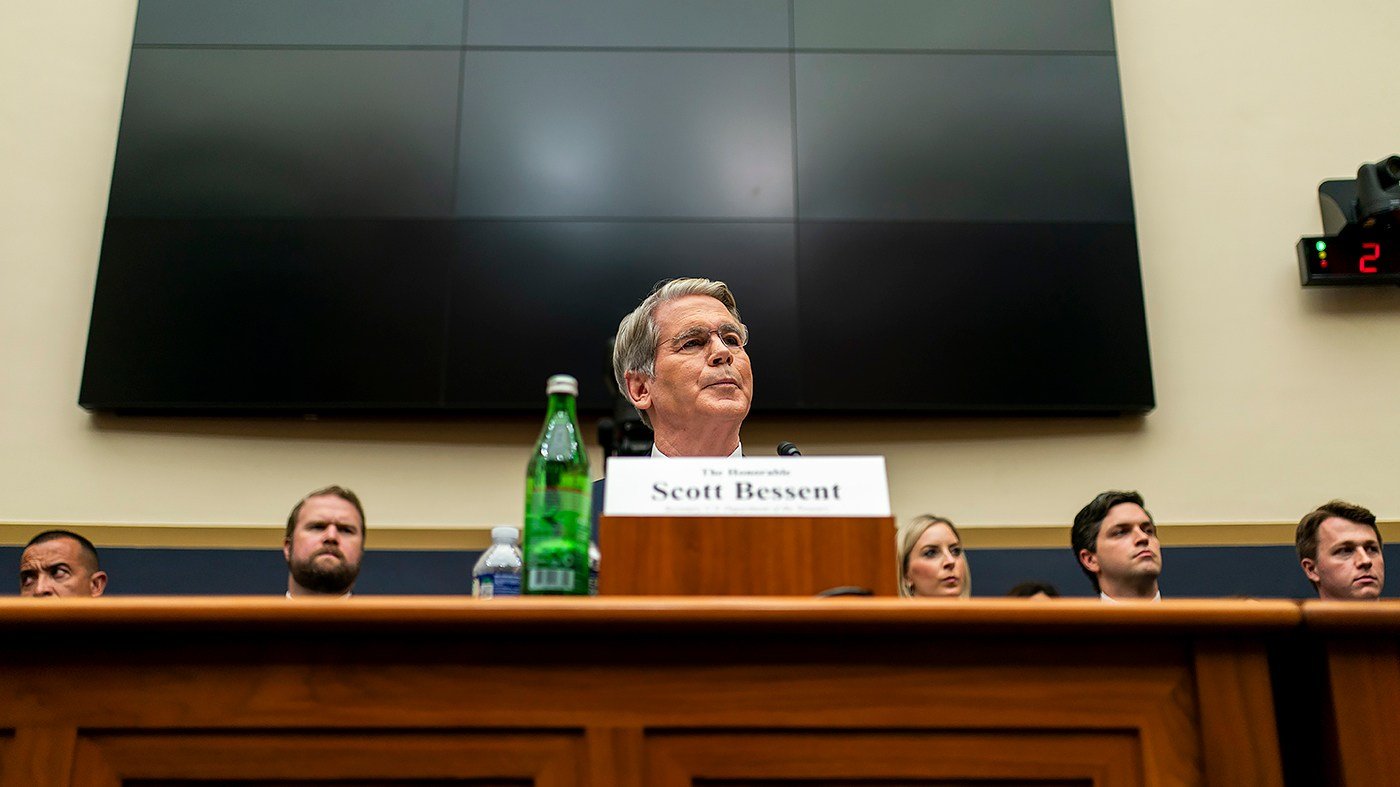
Massie's move caught leadership off guard, and they responded by cutting the legislative session short to avoid a vote, a tactic that drew sharp criticism from Massie and Democrats. Massie accused leaders of shutting down the legislative branch to dodge the issue. Speaker Mike Johnson dismissed the impeachment as a "publicity stunt," but he has no mechanism to prevent the vote once members return.
Beyond impeachment, Massie and Democratic Representative Ro Khanna of California say they have secured enough signatures—218—to force a vote on releasing all Justice Department files related to Jeffrey Epstein. They credit two other lame-duck Republicans, Nancy Mace of South Carolina and Ralph Norman of South Carolina, with helping them cross the threshold. Mace, who lost her gubernatorial bid, also signed a separate discharge petition on veterans' benefits, becoming the decisive 218th signature. Norman, who lost his Senate race, has repeatedly voted against GOP rules, forcing leaders to rely on centrist Democrats to advance legislation.
The phenomenon isn't confined to Republicans. Democratic Representative Jared Golden of Maine, who is retiring, has twice crossed the aisle to help Speaker Johnson pass bills that were explicitly designed to hurt vulnerable Democrats in the fall campaign. He was joined both times by Representative Marie Gluesenkamp Perez of Washington, who faces a tough reelection fight. Their defections have infuriated Democratic leaders, who see them as undercutting the party's message heading into November.
The lame-duck session is shaping up to be a period of heightened unpredictability, with a handful of members who have no electoral future and little incentive to fall in line. As leaders on both sides scramble to manage their caucuses, the ultimate impact on the year-end agenda—including government funding and potential shutdown—remains uncertain. What's clear is that these departing lawmakers are determined to make their final weeks count, even if it means going out in a blaze of defiance.