Lawmakers from both parties are moving to bolster protections for survivors of sexual violence after a former Cornell University student's allegations of a fraternity gang rape captured national attention. The case, which first emerged in 2024, gained renewed prominence in September when the woman filed a lawsuit against the university and other parties, intensifying scrutiny of existing campus safety measures and federal policies.
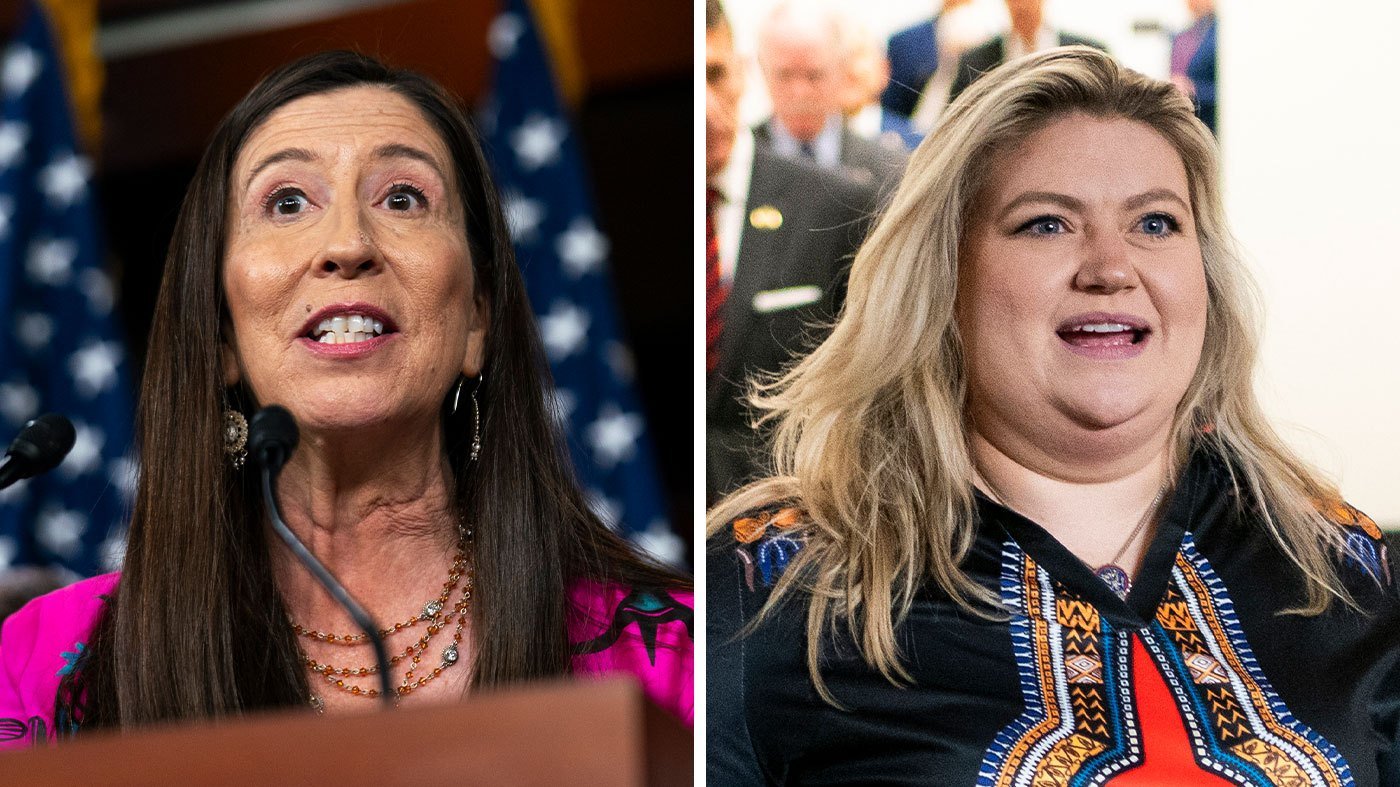
The bipartisan push, led by Reps. Teresa Leger Fernández (D-N.M.) and Kat Cammack (R-Fla.), co-chairs of the Democratic and Republican Women's Caucuses, began earlier this year in response to allegations of domestic abuse and sexual misconduct against several male lawmakers and staffers. The Cornell case has added urgency, prompting questions about whether current laws adequately protect students and hold institutions accountable.

“The allegations at Cornell are deeply disturbing, and we need to make sure students are protected and perpetrators are held accountable,” said Rep. Nicole Malliotakis (R-N.Y.). She called for New York to close the “voluntary intoxication” loophole, arguing that “state and federal laws should complement each other to ensure victims have adequate protections.” Malliotakis also urged stronger enforcement of Title IX, including the possibility of tying federal funding to institutional compliance.
Rep. Mike Lawler (R-N.Y.) expressed outrage on social media, stating, “Sexual assault is a crime, not a campus disciplinary matter.” He advocated for mandatory referral of allegations to law enforcement and the appointment of special prosecutors when necessary. “Universities have a responsibility to protect their students, but they should not be the ones determining whether a potential crime occurred,” he wrote, adding, “Any of our daughters could be Jane Doe, and they deserve better.”
The political response comes as the Education Department formally rescinded Biden-era Title IX rules that extended protections to students based on sexual orientation and gender identity. The move reverts to the 2020 standards under the previous Trump administration, a change critics argue weakens protections for sexual assault victims. Democrats have sharply criticized the rollback, with Rep. Deborah Ross (D-N.C.) asserting that the administration “has now made it harder for victims of sexual assault on college campuses to get justice.”
Ross, who co-chairs the Democratic Women's Caucus policy task force, highlighted the recent survey showing 35% of female Cornell undergrads report sexual assault as evidence of a systemic problem. She also pointed to the Survivors' Rights Restitution Act, a bill she introduced with Reps. Ayanna Pressley and Leger Fernández, which would create a federal restitution fund for survivors whose rights were violated by the government.
“We are taking this seriously, and I think the whole situation with the Epstein survivors has brought the nation's attention to this issue in a bipartisan way,” Ross said. Leger Fernández echoed that sentiment, stating, “We stand with Jane Doe and hope her case is a turning point for Republicans in Congress. Women's safety in workplaces, the military, and college campuses are under threat; the least Republicans can do is condemn what took place at Cornell and work with us to enact stronger Title IX protections.”
The political fallout has extended to state officials. New York Governor Kathy Hochul has tapped Attorney General Letitia James to lead an independent review of the Cornell case, a move that follows questions about the initial university investigation. Meanwhile, former President Trump has criticized James's appointment, and the case has become a flashpoint in the broader debate over campus safety and institutional accountability.
As Congress weighs new legislation, the Cornell case has also intensified calls for greater oversight of fraternity culture and university disciplinary processes. Lawmakers are considering measures that would require independent investigations of serious allegations and impose stricter penalties on institutions that fail to act. The outcome of these efforts could reshape how colleges handle sexual misconduct claims and how victims seek justice.