At the core of American jurisprudence lies a simple yet profound principle: those who lie and cause harm must compensate their victims. But what constitutes harm, how to prove causation, and what remedies are appropriate are questions that judges and juries grapple with daily. This term, the Supreme Court is set to hear a case that could upend that fundamental tenet when applied to the fossil fuel industry.
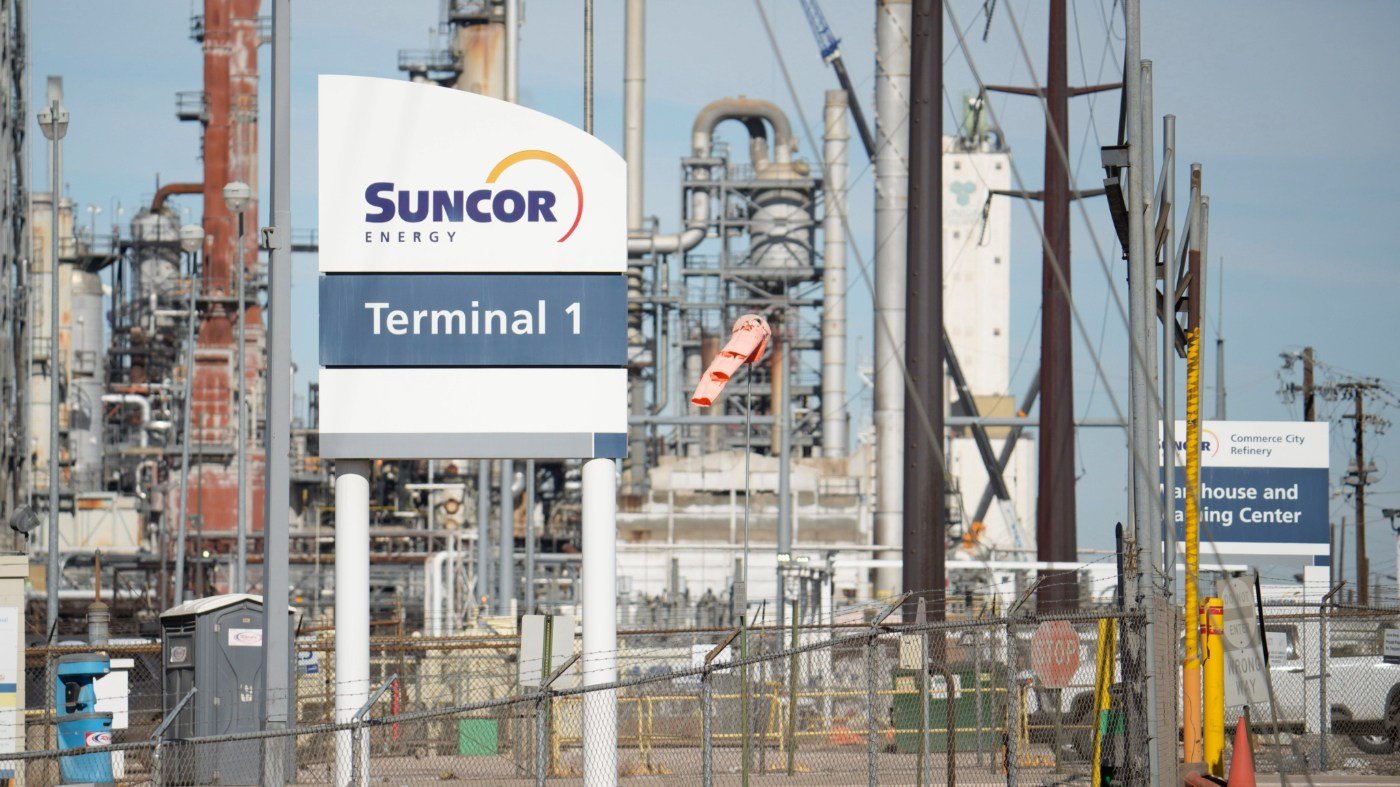
On the opening day of its new term, the justices will consider Suncor v. Boulder County, a case that pits two oil giants against local governments seeking damages for climate-related harms allegedly exacerbated by decades of corporate deception. The oil companies argue that no jury should even be allowed to weigh these claims—a position that, if accepted, would shield them from accountability in state courts.

A History of Deception
For years, oil companies publicly cast doubt on the science of climate change, even as internal documents revealed they knew the truth. Investigative reporting uncovered evidence that industry executives were aware as early as the 1960s that burning fossil fuels was releasing carbon dioxide at levels that could trigger what they themselves called “globally catastrophic events” by the century’s end. Their only uncertainty, it seemed, was whether to disclose the risks or take meaningful action.
Armed with this knowledge, dozens of state and local governments—including Boulder County, Colorado—filed lawsuits under consumer protection and product liability laws, alleging that oil companies engaged in a coordinated campaign to mislead the public. These cases echo earlier successful efforts against the tobacco industry in the 1990s and, more recently, against opioid manufacturers, where states recovered billions for the costs of addiction and overdose.
The Industry’s Legal Strategy
The fossil fuel sector is determined to avoid a similar reckoning. Rather than contest the merits of the claims, Big Oil is attempting to derail the litigation by arguing that state courts lack jurisdiction. They contend that climate change is a global issue best addressed by federal regulation, not state-level tort suits. But the plaintiffs are careful to note that their cases are not about regulating emissions or drilling practices—those are covered by federal law. Instead, they seek compensation for the damage caused by alleged deception, a quintessential state-law question.
The oil companies’ most aggressive argument is that abstract constitutional principles—such as federalism and the separation of powers—bar state courts from hearing these cases. In essence, they claim the industry is too vital to the economy to be held accountable by local governments dealing with the consequences of climate change.
A Surprising Decision to Hear the Case
Courts are designed to interpret the law, not to make policy. So when the Colorado Supreme Court rejected the industry’s arguments and allowed the case to proceed to trial, it was a victory for the plaintiffs. The oil companies then petitioned the U.S. Supreme Court, and to the surprise of many legal observers, the justices agreed to hear the case—despite having declined to intervene in five similar lawsuits in recent years.
The decision to take up Suncor has fueled speculation that the conservative majority, known for its pro-corporate leanings, may be poised to limit the ability of states to hold companies accountable for climate-related harms. Adding to the intrigue, Justice Samuel Alito recused himself just a week before oral arguments, without explanation. Alito has faced calls to step aside due to his financial investments in the oil industry, but his recusal leaves the remaining eight justices to decide the case—though it remains unclear whether Alito was one of the four justices needed to grant review.
What’s at Stake
If the Supreme Court sides with the oil companies, it would send a chilling message: that some industries are too powerful to be held responsible for their actions. The ripple effects could extend far beyond fossil fuels. As one legal analyst noted, “If Big Oil gets a hall pass, which industry will be next? AI companies? Pharmaceutical giants?” The Court has an opportunity to reaffirm that the rule of law applies equally to all, regardless of economic might.
The case also intersects with broader debates about energy policy costs and the accountability of powerful institutions. While the Court could dismiss the case on procedural grounds, it may also choose to address the merits, setting a precedent that could shape climate litigation for years to come.
Ultimately, Suncor v. Boulder County is not about whether climate change is real or whether oil companies are solely to blame. It is about whether a jury—the cornerstone of the American legal system—should have the chance to hear the evidence and decide. As the justices ponder that question, they will be testing whether the promise of equal justice under law extends to the corporate giants that shape our world.