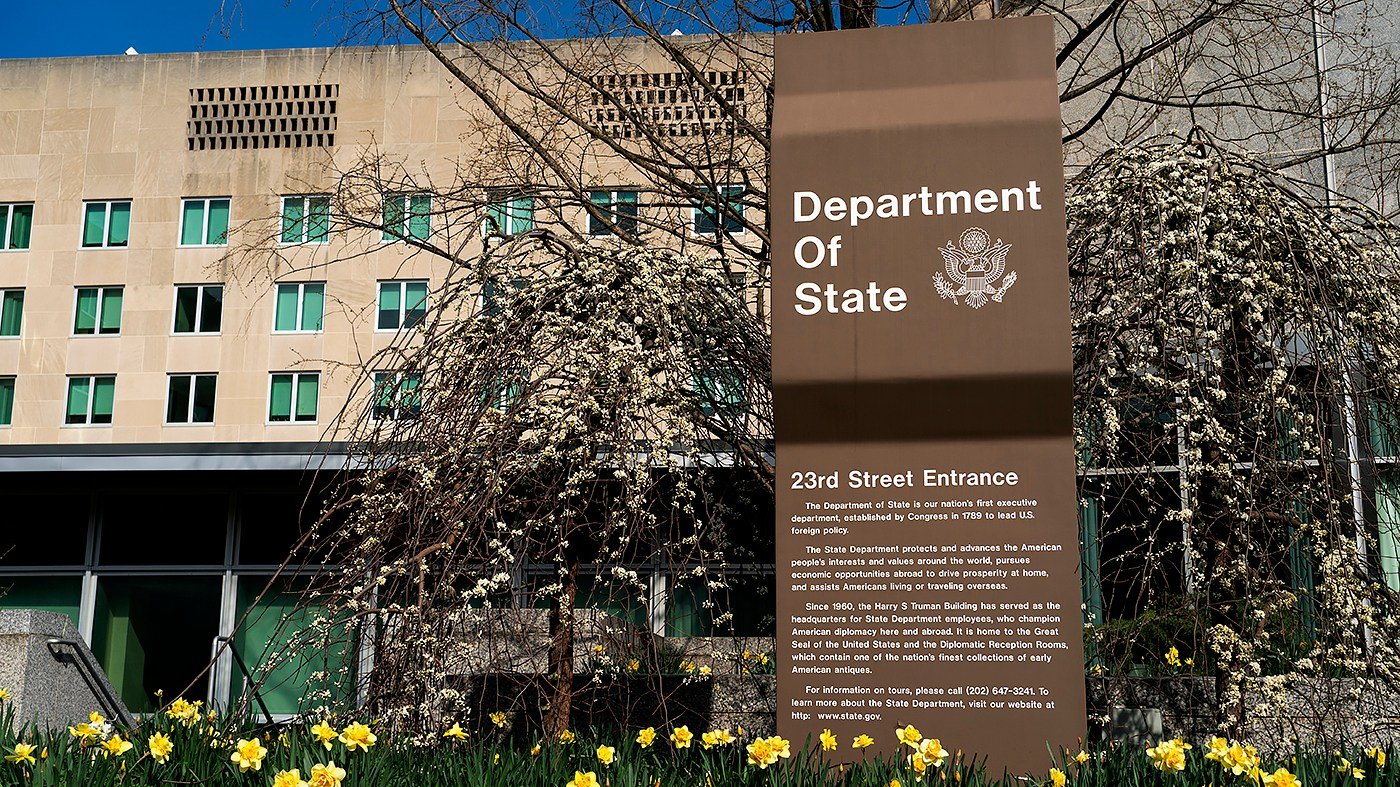
The United States shuttered its consular operations across Brazil on Friday, citing escalating security risks just two days before the country's high-stakes presidential election. The U.S. Embassy in Brasília issued a security alert Thursday announcing that "consular services in the U.S. Embassy and Consulates in Brazil will be suspended starting today, October 2 due to security concerns."
The abrupt halt follows a statement from Brazil's Federal Police on Friday revealing that they had executed two search and seizure warrants in São Paulo and near Brasília to investigate "acts that could endanger US diplomatic facilities" in Brazil, according to Reuters. However, federal police added that no evidence or suspects have yet been identified to substantiate the initial security risks.
The move underscores the fraying relationship between Washington and Brasília as Brazilians head to the polls. President Trump has refrained from formally endorsing any candidate in the race, but he has openly clashed with the current administration and has thrown support behind the family of former right-wing populist President Jair Bolsonaro, who was convicted in September 2025 for inciting a coup attempt to remain in power.
Trump has extended favor to Bolsonaro's son, Flávio, one of 13 contenders in the October election. In May, Trump hosted Bolsonaro at the White House and later designated Brazil's two largest drug gangs as terrorist organizations—a move that President Luiz Inácio Lula da Silva, who is seeking a fourth term and is a vocal adversary of Trump, condemned as unacceptable interference in Brazil's internal affairs.
On Thursday, Trump told reporters he was monitoring the election "very closely," calling Brazil "a very important country" and describing the vote as "very important." The comment came amid reports that Brazil's intelligence agency, Abin, had confirmed "the existence of interference from the United States as well as Russia" in the electoral process, according to Reuters, citing a report compiled by an attendee of meetings with Abin officials. The alleged U.S. interference ranged "from lawfare to interference that is openly acknowledged," the report said.
The suspension of consular services is the latest flashpoint in a broader trade and diplomatic dispute. In July, the U.S. imposed 25 percent tariffs on Brazilian goods over "unfair trade practices," following a yearlong investigation triggered by a spat between Trump and Lula. Despite those tariffs, Trump announced in September a plan to import 300,000 metric tons of tariff-free beef from Brazil and Argentina to help lower grocery prices, telling reporters that inspectors had already conducted quality checks and that the beef was "very clean" and "very good."
The White House defended that decision after The Wall Street Journal reported that a Brazilian billionaire, Joesley Batista, who shares control of JBS—the world's largest meatpacker—met with Trump a day before the announcement. The episode has fueled criticism that the administration's trade policies are influenced by personal connections.
The election on Sunday pits Lula, a leftist icon, against a crowded field that includes Flávio Bolsonaro. The outcome could reshape U.S.-Brazil relations, which have already been strained by tariffs, diplomatic snubs, and mutual accusations of interference. The U.S. embassy's decision to suspend consular work signals that Washington is bracing for potential unrest, even as Brazilian authorities downplay the immediate threat.
As Brazilians prepare to cast their ballots, the suspension of consular services adds another layer of uncertainty to an already volatile political landscape. Observers note that the move could affect thousands of Brazilian citizens seeking U.S. visas or other services, and it highlights the deepening mistrust between the two largest democracies in the Americas.