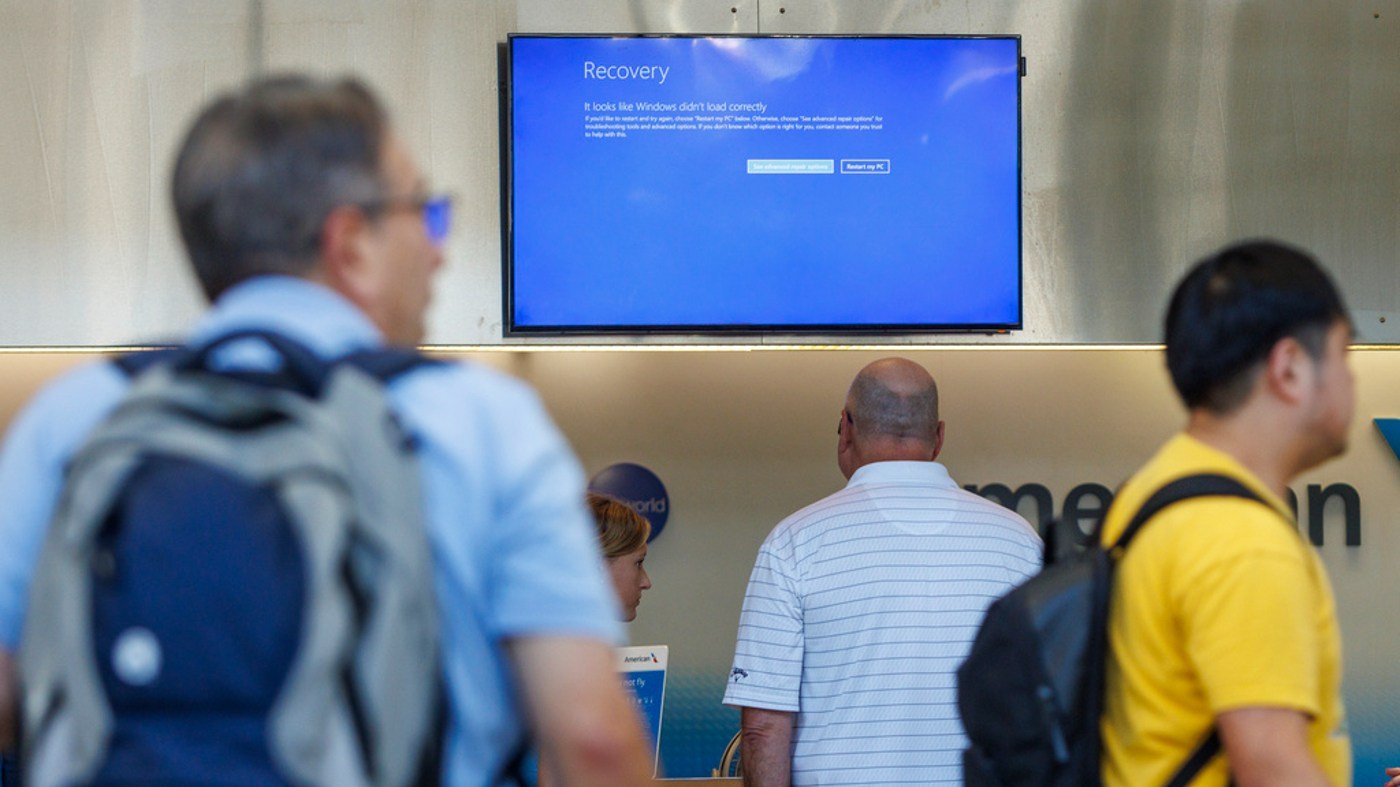
The Federal Aviation Administration has temporarily halted its router upgrade program following last week's nationwide ground stop, an incident that officials attribute to an overload of data on the agency's network. The pause, first reported by NewsNation and confirmed by The Wall Street Journal, applies to the installation of new Jupiter routers while investigators work to determine the root cause of Friday's system failure.
The ground stop, which lasted more than four hours, triggered thousands of flight cancellations and delays that rippled through the weekend. Transportation Secretary Sean Duffy said Saturday that the initial trigger may have been a telecommunications line switch, noting that contractor L3Harris was in the middle of replacing an older copper line with a new fiber cable. By Sunday, the FAA's preliminary analysis pointed to a router in El Dorado, Arkansas, and a radar site in Amarillo, Texas, as likely sources of the data surge that overwhelmed the system.
L3Harris, the FAA's current network provider, said in a statement that it is "supporting the FAA in its investigation to understand the conditions that led to the Nov. 13 ground stop of our nation's air travel." The company did not comment on the pause itself.
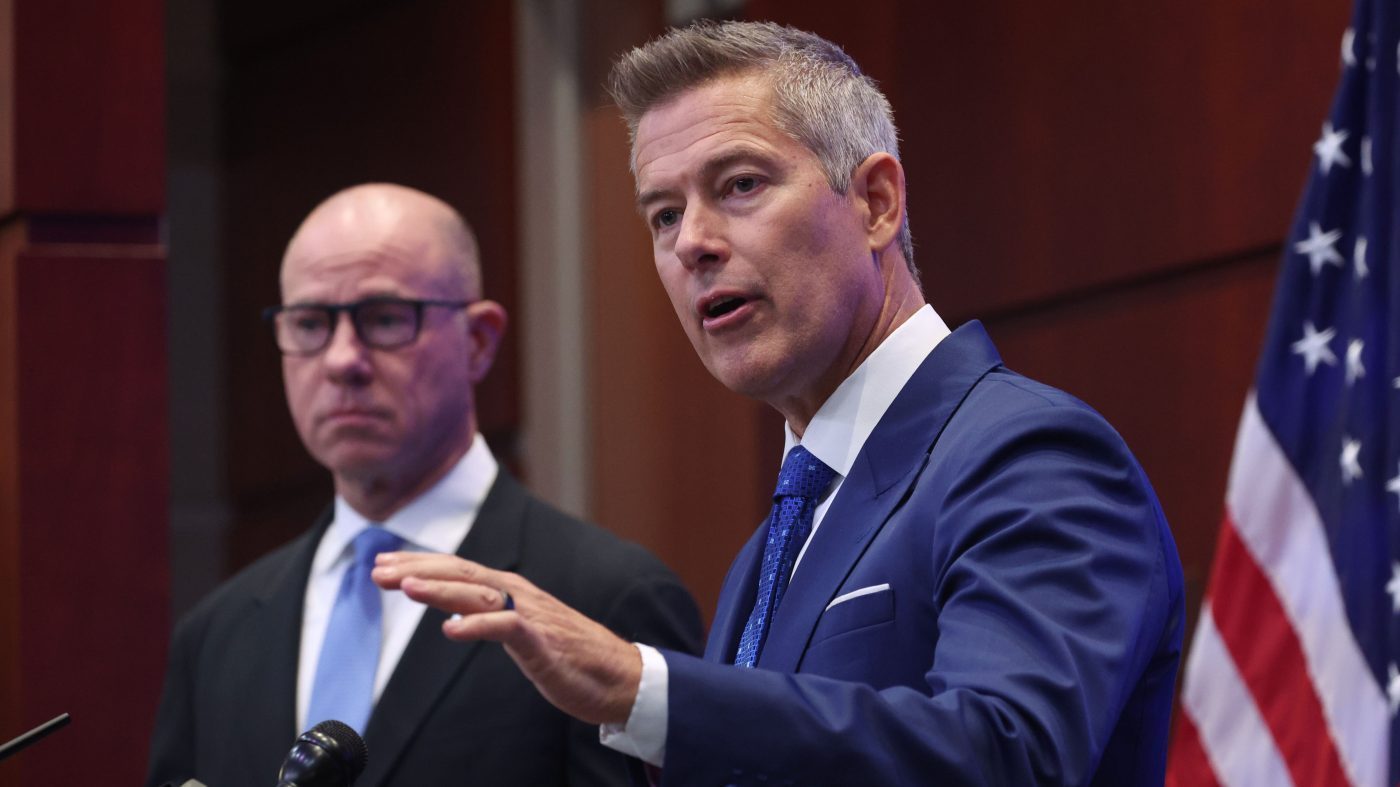
The disruption has intensified scrutiny of the nation's aging aviation infrastructure. Duffy, who has pressed Congress for a $50 billion overhaul of air traffic control systems, told reporters Tuesday that "a new architecture for telecom is important," but added, "I don't have money for that." His remarks came after a press conference with families of victims from the 2025 collision between an Army helicopter and a commercial jet near Reagan Washington National Airport.
Homeland Security Secretary Markwayne Mullin and House Speaker Mike Johnson have echoed Duffy's call for substantial investment, framing the ground stop as a symptom of chronic underfunding. GOP Rep. Tim Burchett (Tenn.) urged Republican leadership to move legislation that would fund air travel infrastructure, but he expressed skepticism about Senate cooperation. "The problem you're going to have, I think, is with the Senate," Burchett said.
Burchett pointed to the ALERT Act, a bill crafted in response to the 2025 fatal crash, which passed the House in April but has not received a Senate vote. The legislation would mandate modernized safety systems and improved data sharing, but its fate remains uncertain amid broader disagreements over spending.
The FAA's decision to pause router upgrades comes as lawmakers demand more answers before committing billions to the agency's modernization. Some Republicans, including Sen. Josh Hawley, have expressed doubt about the FAA's explanation and called for a Senate briefing on the incident. Meanwhile, Democrats like Rep. Ro Khanna have accused the administration of stalling on infrastructure funds, arguing that the ground stop is a preventable failure of oversight.
Duffy acknowledged the broader context of underinvestment, saying, "I think everyone here knows and the families know there's been a historic underinvestment in aviation." He added that once the full damage assessment is complete, Congress will have to decide whether to fund the necessary upgrades. The pause in router installations is a direct consequence of that uncertainty, as the FAA seeks to avoid repeating a failure that grounded the nation's flights.