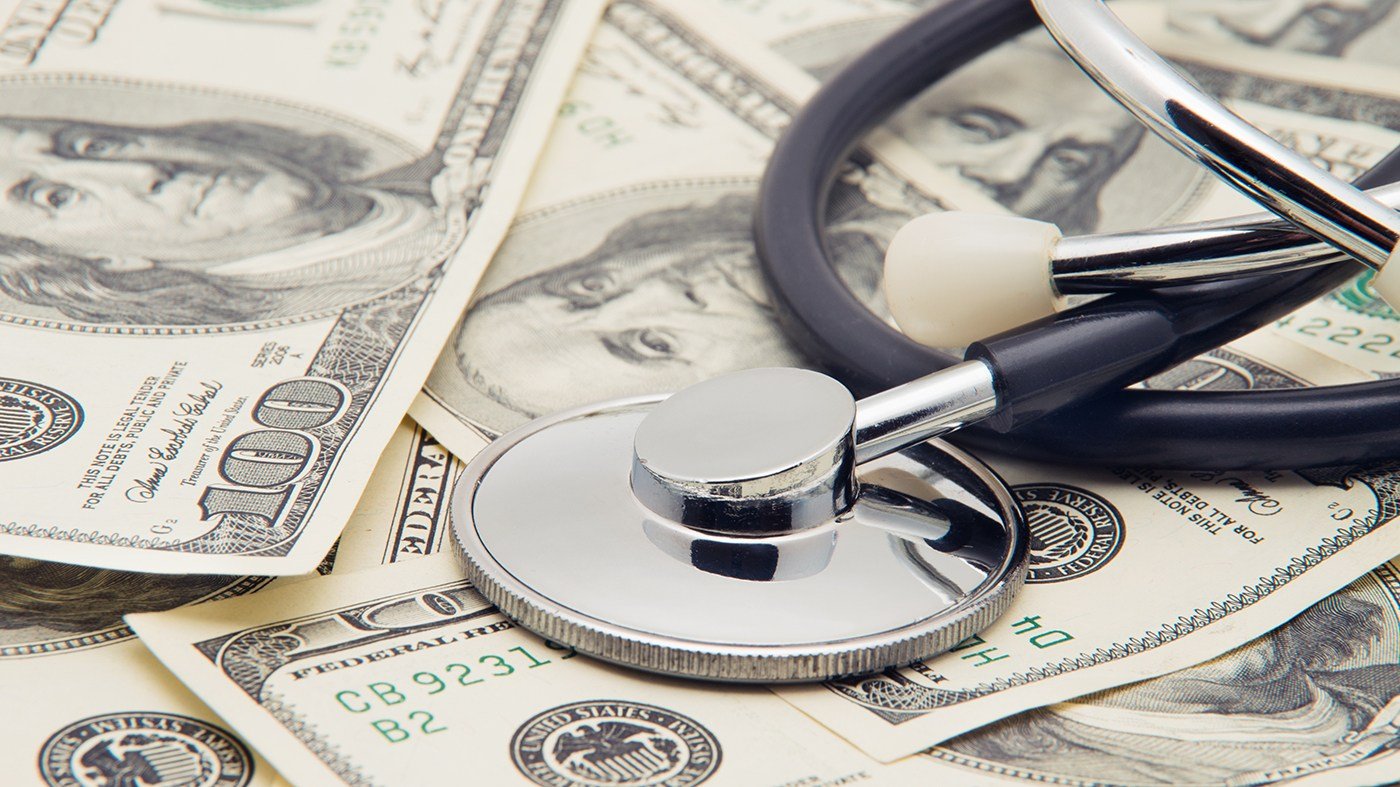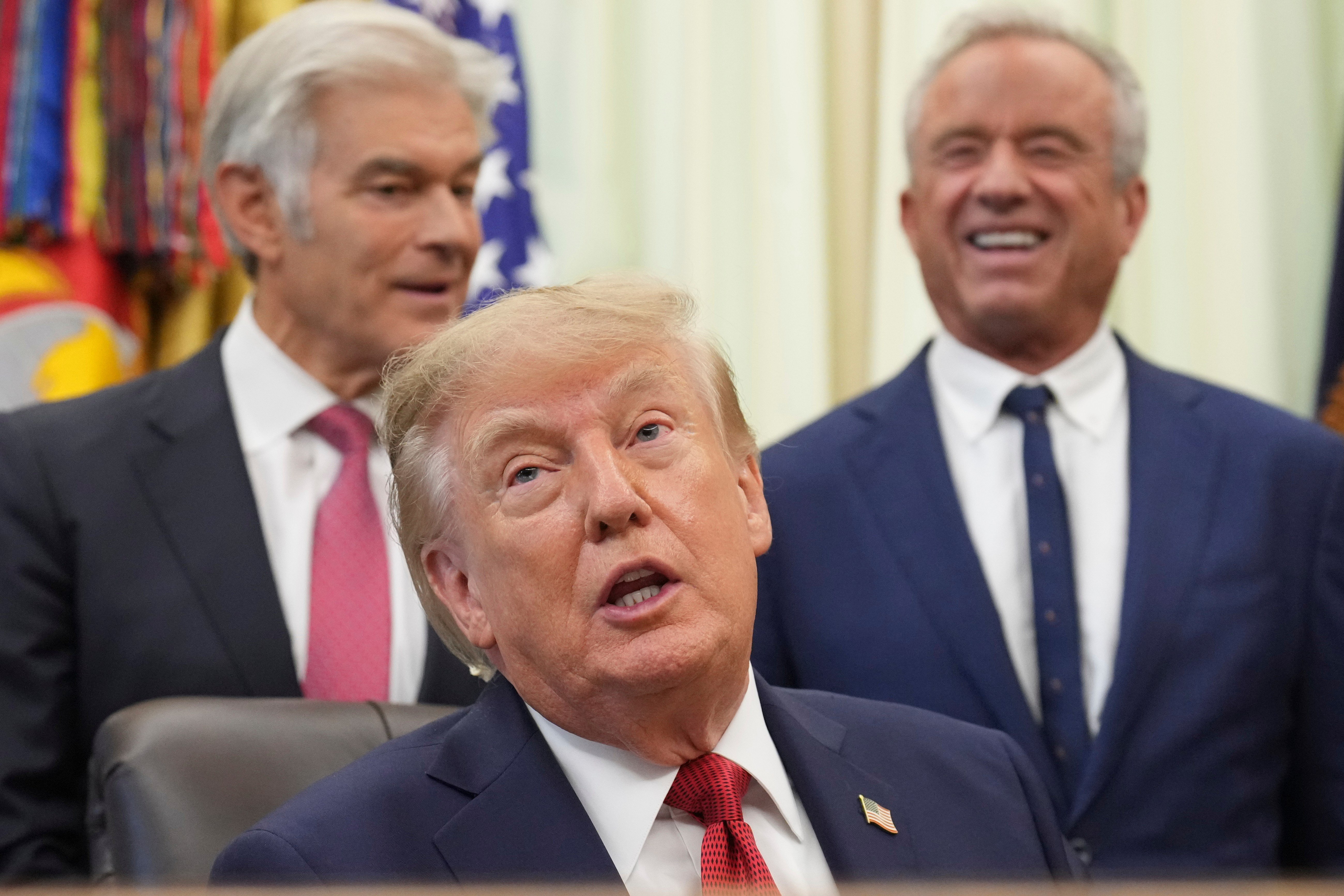
President Trump on Friday announced that his administration will distribute roughly $2 billion in one-time payments to more than 20 million seniors enrolled in Medicare Part B, aiming to offset their monthly premium costs. The funds will be drawn from the Medicare Improvement Fund, which the president derided as a “pointless ‘Slush Fund’” in a social media post.
The Medicare Improvement Fund was established by Congress in 2008 to finance enhancements to the traditional Medicare fee-for-service program. Trump’s decision to tap this reserve marks a notable shift in how the administration is addressing healthcare costs for older Americans.

In his evening post on Truth Social, Trump framed the payments as a fulfillment of his pledge to protect Medicare and Social Security, which he claimed were “on the verge of RUIN by Joe Biden.” He also linked the move to his “Most Favored Nations” trade policies, asserting they are helping to “substantially LOWER costs for our Seniors.”
According to a White House fact sheet, the $90 direct deposits will begin early this month for all eligible Part B enrollees. The standard monthly Part B premium for 2026 is set at $202.90, making the rebate equivalent to roughly 44% of one month’s premium.
The announcement comes at a politically sensitive time for the president, as his economic approval ratings have slumped ahead of the midterm elections, where Republicans are fighting to retain control of Congress. An Associated Press/NORC poll released Thursday found that 65% of Americans blame Trump’s policies for rising living costs, and 73% disapprove of his handling of economic issues.
In the same social media post, Trump reiterated his campaign-style promise to issue $5,000 checks to every U.S. adult if Republicans keep their majorities in both chambers this fall. He described this as the “highly popular $5,000 Trump Dividend,” which he said would be distributed “if, and when, the Republicans win the Midterm Elections.”
The Medicare rebate is the latest in a series of targeted financial moves by the administration as it seeks to counter criticism over inflation and affordability. Critics, however, have questioned the timing and the use of a fund intended for long-term program improvements, arguing that a one-time $90 payment does little to address the underlying cost of healthcare.
Supporters counter that the move demonstrates a commitment to easing the burden on seniors, a key voting bloc. The president’s focus on Medicare and Social Security is likely to feature prominently in his midterm campaigning, as he continues to highlight his administration’s efforts to protect these programs.